Borana Conservancy

About This Destination

Borana Conservancy sits on the edge of the Laikipia Plateau, looking toward the peaks of Mount Kenya. It is a family-owned conservation area known for its rolling hills, high-altitude grasslands, and dense forests. This landscape feels private and quiet compared to busier national parks.

The atmosphere is one of focused conservation and understated luxury. The terrain is varied, with ridges that provide wide views over the northern frontier. It suits travellers who value privacy, active exploration, and a deeper connection to wildlife protection efforts.
Why Visit

Borana offers a sense of space and freedom that is hard to find elsewhere. Since it is a private conservancy, visitors can enjoy activities not allowed in national parks, such as night drives and walking safaris. The scenery is a major draw, featuring a mix of dramatic escarpments and permanent springs that attract wildlife year-round.

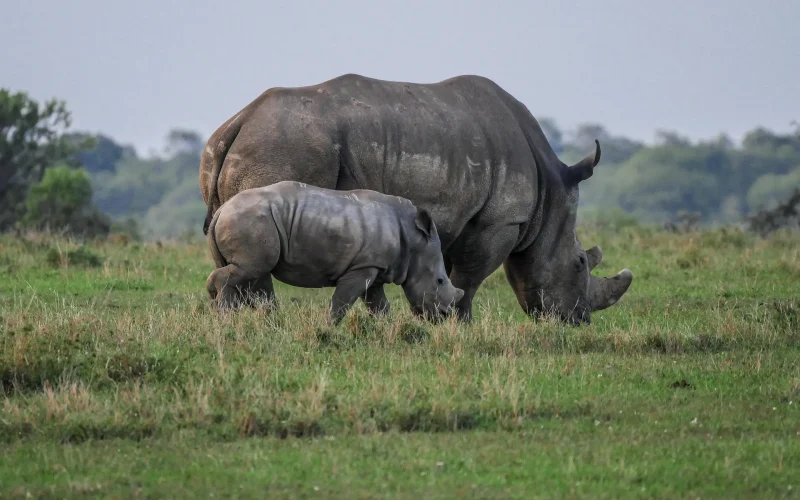
Travellers appreciate the intimate feel of the lodges and the high quality of guiding. The conservancy is famous for its successful rhino conservation program, providing a rare opportunity to see these animals in a safe, natural habitat. Our guides say Borana is the best place in Laikipia to experience a working landscape where wildlife and livestock coexist in balance.

Key Experiences

  • Tracking black and white rhinos on foot with rangers
  • Sundowners on Pride Rock with views of the plains
  • Guided horse-riding safaris through the valley
  • Night game drives to see nocturnal species
  • Mountain biking across the conservancy trails
Borana

Best Time to Visit

The dry seasons from June to October and January to February are the best times for wildlife viewing. During these months, animals gather around the man-made dams and natural springs. The weather is usually clear and sunny, making it ideal for outdoor activities and photography.

The green season from March to May and November to December transforms the landscape into a lush, emerald environment. While some rain is expected, the air is clear, and the birdlife is spectacular. This period offers great value and a more tranquil atmosphere for those who prefer a slower pace

Wildlife & Nature

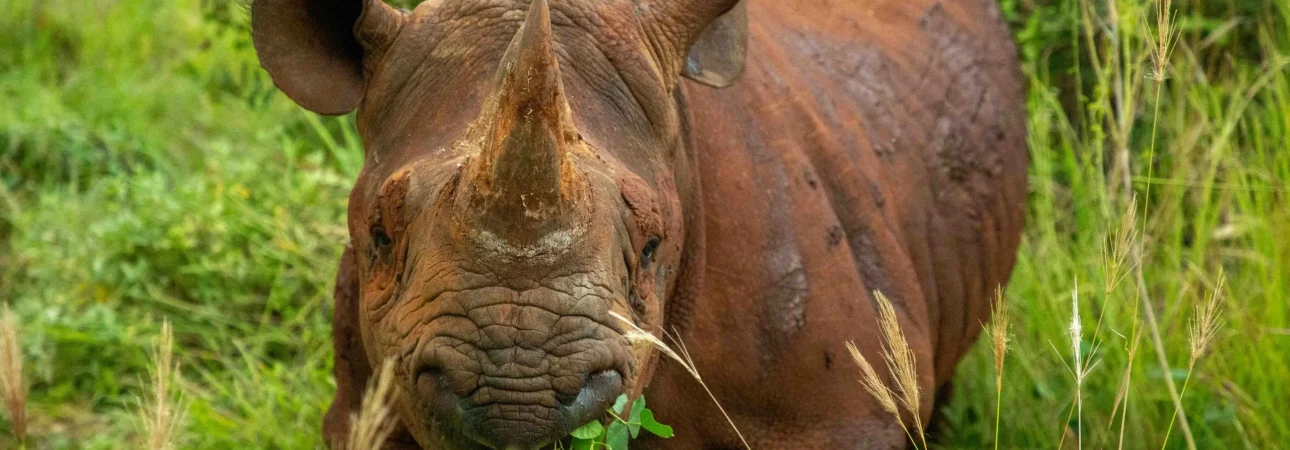
Borana is a sanctuary for endangered black and white rhinos. You will often see them grazing on the open slopes or near the waterholes. The conservancy is also home to the Big Five, including a healthy population of lions and leopards that thrive in the rocky outcrops and riverine forests.

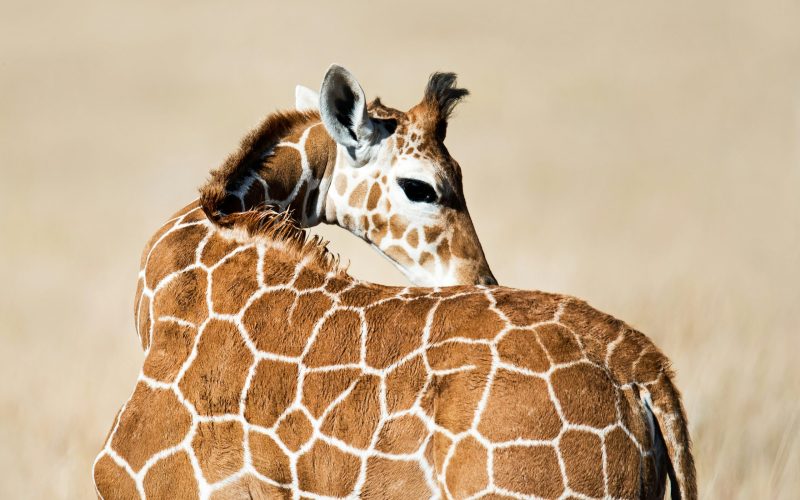
The landscape is defined by its altitude and rugged beauty. You will find cedar forests, olive groves, and open grasslands that support herds of Grevy’s zebra and reticulated giraffe. Our guides note that the lack of fences between Borana and its neighbor, Lewa, allows for natural wildlife migrations across a vast ecosystem.

Local Culture Community & Conservation

Conservation is at the heart of everything in Borana. The conservancy operates as a non-profit, with all tourism income reinvested into protecting wildlife and supporting local people. It forms part of a larger corridor that allows animals to move freely between different habitats.

Community engagement is genuine and respectful. Borana supports local schools, mobile clinics, and water projects in the surrounding areas. Cultural interactions are hosted by the community, allowing guests to learn about local traditions and the benefits of shared land use. Our guides believe that listening to the stories of the people who live here is essential to understanding the land.

Getting There

Most guests travel to Borana by air. Scheduled flights from Nairobi’s Wilson Airport fly daily to the nearby Lewa or Borana airstrips. The flight takes about 50 to 60 minutes and offers incredible views of the highlands and Mount Kenya.

From the airstrip, a safari vehicle will meet you for a transfer to your lodge. This drive usually takes between 30 and 45 minutes, depending on the wildlife you spot along the way. These transfers are seamless and managed by the lodge teams or our trusted partners.

Alternatively, some travellers choose a private road transfer from Nairobi. This journey takes approximately 4 to 5 hours through the fertile central highlands and past large-scale farms. While the drive is longer, it offers an interesting view of the changing Kenyan countryside before arriving at the conservancy gate.

Signature Experiences & Activities

Rhino Tracking

Join a dedicated team of rangers to monitor and protect the resident rhino population on foot.

Horseback Safaris

Ride through the conservancy to get closer to giraffes and zebras without the sound of an engine.

Pride Rock Visit

Visit the iconic rock formation that inspired scenes in The Lion King for a scenic evening drink.

Bush Walks

Explore the smaller details of the bush with an expert guide who explains tracks, plants, and insects.

Night Game Drives

Use a spotlight after dark to find elusive animals like aardvarks, caracals, and owls.

Conservation Behind-the-Scenes

Visit the conservancy headquarters to learn about anti-poaching units and community healthcare projects.

  • Big Five
  • Bird Watching
  • Cultural Activities
  • Forest Experience
  • Hiking Trails
  • Scenic Landscapes

Where To Stay

Practical Travel Tips

  • Pack layers of clothing as mornings and evenings are quite cold due to the altitude
  • Bring comfortable walking shoes or boots for bush walks and rhino tracking
  • Use neutral colors like khaki, olive, or brown to blend into the environment
  • Carry a good pair of binoculars to spot leopards in the rocky outcrops
  • Most lodges accept credit cards but keep some Kenyan Shillings for small tips

Who This Destination Suits

  • Families looking for a private and flexible safari environment
  • Couples seeking a romantic and secluded retreat
  • Active travellers who enjoy hiking, biking, and riding
  • Photographers interested in rhinos and dramatic landscapes
  • Conservation-minded guests who want to see where their money goes

Itinerary Combinations

Frequently Asked Questions

We recommend three to four nights to fully enjoy the variety of activities available.
Yes, it is very family-friendly with many lodges offering specific activities for kids.
Yes, Borana is home to lions, leopards, elephants, buffaloes, and rhinos.
info@johnbowtoursandtravel.com
Kenya Cinema Plaza, 3rd Floor Room 3-8. Moi Avenue, Nairobi