Lake Baringo

About This Destination

Lake Baringo is a freshwater oasis in the hot, dry terrain of the northern Rift Valley. It is best known for its exceptional birdlife and the ancient basalt cliffs that frame its western shores. The atmosphere here is quiet and still, offering a calm contrast to the busy grasslands of Kenya’s famous game reserves.

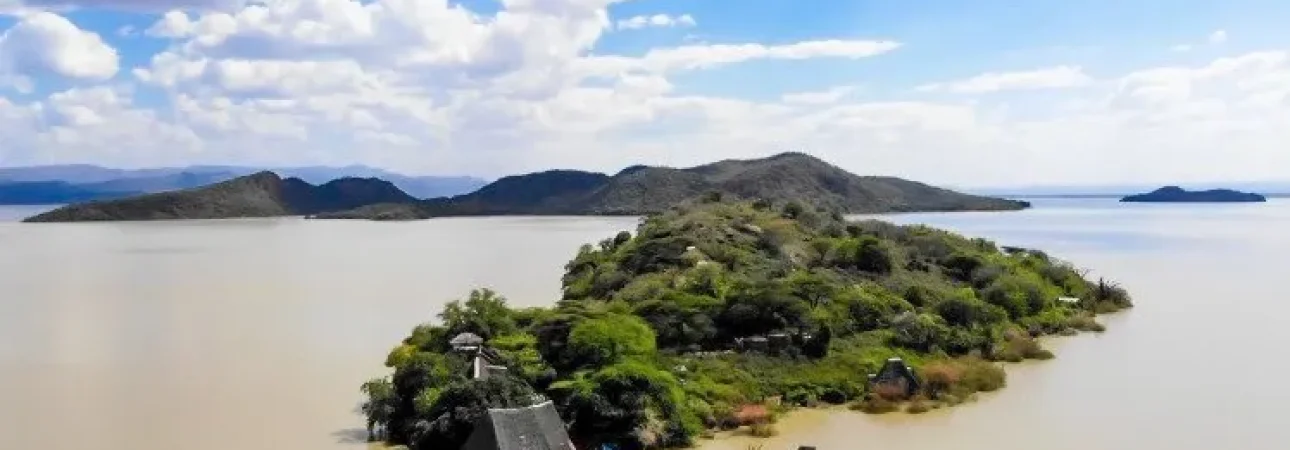
The landscape is defined by red volcanic soil, scrubby acacias, and several small islands that rise from the murky, copper-colored waters. The heat is steady, but the lake breeze provides relief under the shade of massive fig trees.

This destination suits birdwatchers, photographers, and families who enjoy boat-based exploration. It is a place for those who prefer a slower pace and the chance to see a different side of Kenya’s natural diversity. Travellers choose Baringo for its accessibility from the central highlands and the high density of unique bird species found nowhere else in the country.
Why Visit

Lake Baringo offers a distinct character shaped by its freshwater status in a chain of alkaline lakes. While nearby Bogoria is famous for salt and flamingos, Baringo provides a lush habitat for over 450 bird species and large populations of hippos and crocodiles. The scenery is rugged and dramatic, with the Tugen Hills providing a stunning backdrop during sunset.

Visitors love the intimacy of the experience here. Unlike the vast savannahs where you view wildlife from a vehicle, Baringo is explored primarily by boat. This allows for close encounters with water birds and the chance to watch African fish eagles in action. The ease of seeing wildlife from the water makes it a relaxing addition to any safari itinerary.

Key Experiences

  • Early morning boat safaris to watch fish eagles hunt
  • Guided bird walks along the towering Njemp Cliffs
  • Visit to Ol Kokwe Island to see the hot springs
  • Watching the sunset over the bronze waters of the lake
  • Spotting hippos and crocodiles from the safety of a boat
baringo (2)

Best Time to Visit

The best time to visit Lake Baringo depends on the kind of experience you want. It remains a rewarding year-round destination, with each season offering its own atmosphere and advantages.

The dry seasons from June to October and January to February are the most popular. The weather is hot and clear, making boat trips pleasant and bird sightings very reliable. This is the best time for photography as the light is consistent and the water levels are stable.

The green season from March to May and November to December brings lush vegetation and dramatic skies. While afternoon showers occur, the dust is settled, and the landscape turns a vibrant green. Birdlife is especially excellent during this time as migratory species arrive, and the lake feels very peaceful with fewer visitors.

Wildlife & Nature

The wildlife at Lake Baringo is centered around the water and the surrounding scrubland. It is a world-class birding destination where you can see the rare Hemprich’s hornbill, Verreaux’s eagle, and Goliath heron. The lake itself is home to many hippos that emerge at night to graze on the shores and large Nile crocodiles that sun themselves on the banks.

The nature here is rugged. The western shore is dominated by the spectacular cliffs, while the eastern side features more open bushland. Seasonal changes affect the water levels, which can expand the shoreline into the surrounding trees, creating a hauntingly beautiful drowned forest.

Our experts note that while you won’t see the Big Five here, the sheer variety of feathers and the sound of the fish eagle’s call make it feel just as wild.

Local Culture Community & Conservation

The cultural identity of Lake Baringo is defined by the Il Chamus and Tugen people. The Il Chamus are a unique group of pastoralists who adapted to life on the water, becoming expert fishermen and boat builders. Visits to local villages are hosted by the community, allowing guests to see traditional homes and learn about their unique history in the Rift Valley.

Conservation efforts focus on protecting the lake’s fragile ecosystem from rising water levels and siltation. By visiting, travellers contribute to the local economy, which encourages the protection of the bird habitats and the lake’s shoreline. Community-led initiatives ensure that tourism benefits those living closest to the water.

We believe that listening to the stories of the Il Chamus provides a deeper understanding of how humans and wildlife coexist in this harsh but beautiful landscape.

Getting There

Lake Baringo is easily reached by road from Nairobi. The journey takes about 4 to 5 hours and follows the scenic Rift Valley escarpment. Most travellers stop at Lake Nakuru or Lake Bogoria along the way, making it a natural part of a circuit through the central lakes.

For those who prefer to fly, scheduled flights are available to airstrips in the nearby Nakuru or Eldoret regions. From there, a smooth road transfer of about 2 hours with a safari driver will bring you to the lake shore. Our team handles all transfers to ensure a comfortable transition from the airport to your lodge.

The route passes through diverse landscapes, from the high-altitude forests of the Mau Escarpment to the semi-arid floor of the valley. The road is paved all the way to the lake, providing a reliable and scenic journey for all types of travellers.

Signature Experiences & Activities

Boat Safaris

Drift quietly along the shoreline to spot monitor lizards, crocodiles, and various kingfishers. This is the primary way to see the lake’s diverse residents.

Fish Eagle Feeding

Watch local boatmen whistle to attract resident African fish eagles. These raptors dive with incredible speed to pluck fish from the surface just meters from your boat.

Guided Birding Walks

Explore the acacia woodlands and cliff bases with a specialized guide. You can find owls, nightjars, and colorful bee-eaters tucked into the foliage.

Island Explorations

Visit Ol Kokwe, the largest island, which is home to the Il Chamus people. You can hike to the steaming hot springs and enjoy views back toward the mainland.

Reptile Park Visits

Visit the local reptile center to learn about the snakes and tortoises of the Baringo basin. This is a practical way to see species that are usually hard to find in the wild.

Cultural Interactions

Engage with the Il Chamus community, who are famous for their unique "ambach" boats made from light stalks. These traditional vessels are still used for fishing on the lake today.

  • Bird Watching
  • Boat Ride
  • Cultural Activities
  • Hiking Trails
  • Marine Activities
  • Scenic Landscapes

Where To Stay

Practical Travel Tips

  • Wear light and breathable clothing as the area is quite hot
  • Bring high-quality binoculars for bird and wildlife spotting
  • Apply insect repellent in the evenings near the water
  • Carry a wide-brimmed hat and sunscreen for boat trips
  • Keep a light layer for early morning boat safaris when it is cooler

Who This Destination Suits

  • Avid birdwatchers looking for rare Rift Valley species
  • Families seeking a relaxed pace and boat activities
  • Photographers interested in dramatic cliffs and water birds
  • Couples looking for a quiet retreat away from the crowds
  • Travellers wanting a scenic stopover between the Mara and Northern Kenya

Itinerary Combinations

Frequently Asked Questions

Two nights are usually enough to enjoy the boat trips and bird walks without rushing.
No, swimming is not recommended due to the presence of crocodiles and hippos.
No, this destination focuses on birds, hippos, and crocodiles rather than large land mammals.
info@johnbowtoursandtravel.com
Kenya Cinema Plaza, 3rd Floor Room 3-8. Moi Avenue, Nairobi