Watamu Beach

About This Destination

Watamu is best known for its long stretches of white sand and the protected waters of the Watamu Marine National Park. It is a quiet coastal village where the Indian Ocean meets lush mangrove forests and ancient ruins. The atmosphere is calm and grounded, offering a slower pace compared to busier resort towns.

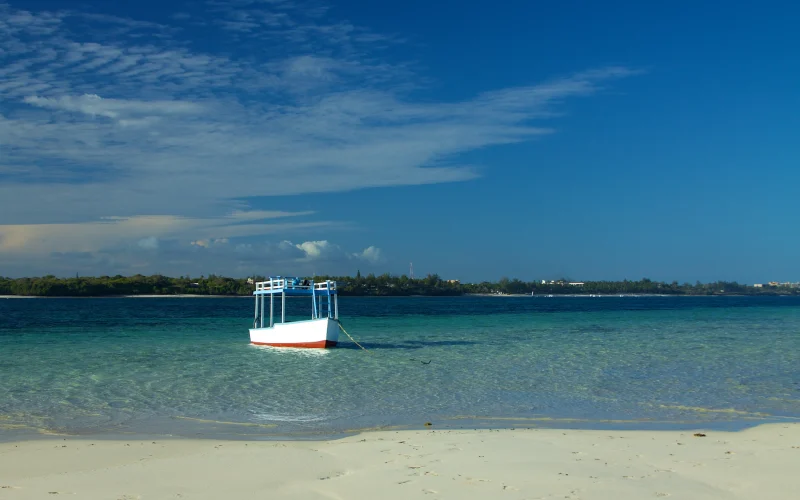
The landscape features unique coral islands that emerge at low tide and turquoise lagoons protected by an outer reef. The coastline is dotted with small coves and wide bays like Turtle Bay and Blue Lagoon. This destination suits families, couples, and ocean enthusiasts who prefer a relaxed environment over a party scene. Travellers choose Watamu for its clear water, excellent snorkelling, and the sense of space it provides.
Why Visit

Watamu offers a balance of marine adventure and quiet relaxation. Its main appeal is the marine park, which is one of the oldest in East Africa and serves as a sanctuary for diverse sea life. Unlike more commercial beaches, Watamu maintains a village feel where the community is closely tied to the ocean.

Key experiences include exploring the Gede Ruins, watching sunsets over Mida Creek, and seeing sea turtles in their natural habitat. Guests love the accessibility of the reefs and the variety of small, independent restaurants. Our guides say Watamu is the best place on the coast for those who want to feel connected to nature without sacrificing comfort. The area provides great value for mid-range travellers looking for an authentic coastal experience.

Key Experiences

  • Snorkelling in the coral gardens of the marine park.
  • Exploring the 12th-century Gede Ruins hidden in the forest.
  • Bird watching and canoeing in the Mida Creek mangroves.
  • Visiting the local turtle rehabilitation centre.
  • Walking across the sandbars to offshore islands at low tide.
isaac-mugwe-VTZslVMnSP0-unsplash

Best Time to Visit

The best time to visit Watamu depends on the kind of experience you want. Thanks to its pleasant climate, it remains a rewarding year-round destination, with each season offering its own atmosphere and advantages. The dry seasons from June to October and January to February are the most popular for beach activities. The water is clearest for snorkelling and diving, and the weather is consistently sunny.

The green season from March to May and November to December brings occasional rain and a more lush landscape. While some days may have afternoon showers, the village is much quieter and offers better value for travellers. No matter when you visit, the gentle coastal breeze and warm ocean ensure a memorable stay.

Wildlife & Nature

The nature of Watamu is defined by its marine life and coastal forests. The Marine National Park is home to over 600 species of fish and vibrant coral reefs. Green and Hawksbill turtles are common sights as they use the beaches for nesting. The nearby Arabuko Sokoke Forest is the largest coastal forest in East Africa and hosts rare birds and the unique Golden-rumped Elephant Shrew.

During the dry season, the water visibility is at its peak, making it easier to spot rays and octopus. In the green season, the mangroves of Mida Creek become a haven for migratory birds. Our experts note that the rhythm of life here is governed by the tides, which transform the landscape twice a day.

Local Culture Community & Conservation

The culture of Watamu is a blend of Swahili traditions and a modern commitment to the environment. Local life revolves around the ocean and small-scale fishing. Visitors can engage with the community through guided tours of Gede or by visiting local craft markets. These interactions are hosted by residents and help support the local economy.

Conservation is a core part of the Watamu identity. The community works closely with organisations to protect the marine park and the Arabuko Sokoke Forest. Travellers contribute to these efforts through park fees and by supporting eco-friendly businesses. Our guides suggest that taking the time to talk with the locals reveals a deep pride in their natural heritage.

Getting There

The most common way to reach Watamu is by flying into Malindi Airport, which is about a 30-minute drive away. Scheduled flights run daily from Nairobi’s Wilson Airport and Jomo Kenyatta International Airport. The short transfer from Malindi to Watamu is usually arranged by your lodge or a trusted taxi service.

Alternatively, guests can fly into Moi International Airport in Mombasa. From Mombasa, the drive to Watamu takes between 2 and 3 hours depending on traffic. This route offers a scenic look at the coastal countryside and passes through several small towns along the highway.

The SGR train from Nairobi to Mombasa is another popular option for those who enjoy a slower pace. After arriving at the Terminus in Miritini, you can take a private vehicle transfer to Watamu. This journey takes roughly 3 to 4 hours and allows you to see the landscape change from the highlands to the coast.

Signature Experiences & Activities

Marine Park Snorkelling

Take a glass-bottom boat to the coral gardens to see tropical fish and sea turtles.

Mida Creek Sundowner

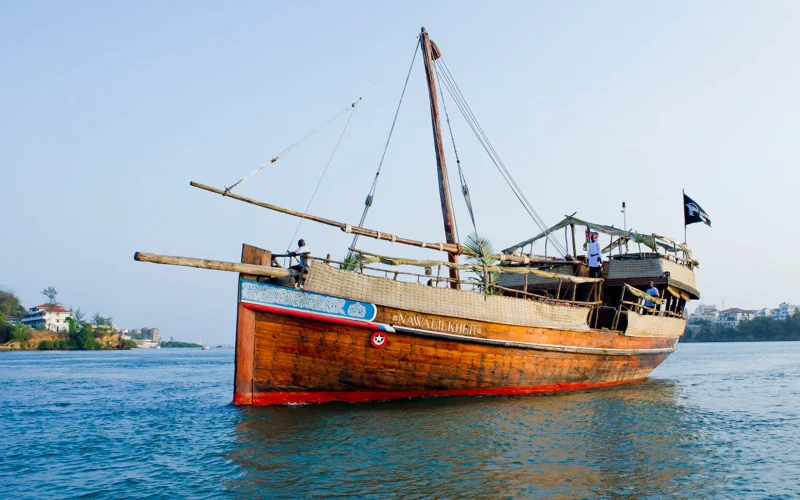
Board a traditional dhow at sunset to navigate the calm waters and mangrove channels.

Gede Ruins Tour

Walk through the remains of an ancient Swahili city that was mysteriously abandoned centuries ago.

Bio-Ken Snake Farm

Learn about Africa’s most famous reptiles at this research and education centre.

Kitesurfing at Garoda Beach

Take advantage of the steady trade winds that make this one of the best spots for water sports.

Watamu Turtle Watch

Visit the rehabilitation centre to learn how the community protects nesting turtles and ocean health.

  • Bird Watching
  • Boat Ride
  • Cultural Activities
  • Forest Experience
  • Hiking Trails
  • Marine Activities
  • Scenic Landscapes

Where To Stay

Practical Travel Tips

  • Pack light, breathable clothing for the humid coastal heat.
  • Bring a pair of reef shoes for walking during low tide.
  • Carry some Kenyan shillings for small purchases in the village.
  • Use reef-safe sunscreen to help protect the marine environment.
  • Check the tide charts to plan the best times for snorkelling and swimming.

Who This Destination Suits

  • Families looking for safe swimming and educational nature activities.
  • Couples seeking a quiet beach escape away from large crowds.
  • Divers and snorkellers who want easy access to healthy coral reefs.
  • Bird watchers interested in rare coastal and forest species.
  • Travellers who enjoy a mix of history, culture, and nature.

Itinerary Combinations

Frequently Asked Questions

Four to five nights allow enough time to enjoy the beach and visit the ruins and forest.
The lagoons are protected by a reef, creating calm and shallow water ideal for young swimmers.
Dolphin spotting is possible on boat trips, especially during the calmer months from October to March.
info@johnbowtoursandtravel.com
Kenya Cinema Plaza, 3rd Floor Room 3-8. Moi Avenue, Nairobi