Ngorongoro Crater

About This Destination

Ngorongoro Crater is a vast volcanic caldera in northern Tanzania. Formed when a giant volcano exploded and collapsed on itself millions of years ago, it now stands as one of the most unique wildlife havens in Africa. The crater floor acts as a natural enclosure, supporting a high density of animals within its steep walls.

The landscape is a mix of open grasslands, alkaline lakes, and fever tree forests. Clouds often rest on the crater rim, creating a cool and misty atmosphere that clears as you descend into the sun-drenched floor. The terrain is flat and easy to navigate, making it a reliable destination for viewing wildlife in a concentrated area.

Why Visit

Ngorongoro Crater offers an immediate and intense safari experience. It is one of the few places in Africa where you can see the Big Five in a single day, often within a very small radius. The sheer scale of the caldera provides a dramatic backdrop that feels different from the endless plains of the Serengeti.

Travellers value the predictability of sightings here. Because the animals remain within the crater year-round, there is no need to track migrations to find resident wildlife. Our guides say this is the best place in Tanzania for a focused safari where every turn of the track reveals something new.

Key Experiences

  • Viewing the rare black rhino on the open plains
  • Watching flamingos gather at Lake Magadi
  • Picnicking on the crater floor near hippos
  • Observing large tusker elephants in the Lerai Forest
  • Driving down the steep and scenic descent road
Ngorongoro Crater

Best Time to Visit

The dry season from June to October is the most popular time for visiting. The grass is short, which makes it easier to spot predators like lions and cheetahs. During these months, the weather is cool and clear, though the crater floor can become busy with vehicles.

The green season from November to May transforms the crater into a lush landscape. This period is excellent for birdwatching as migratory species arrive. While there may be afternoon rain, the crater is quieter and the vibrant colours provide beautiful conditions for photography.

Wildlife & Nature

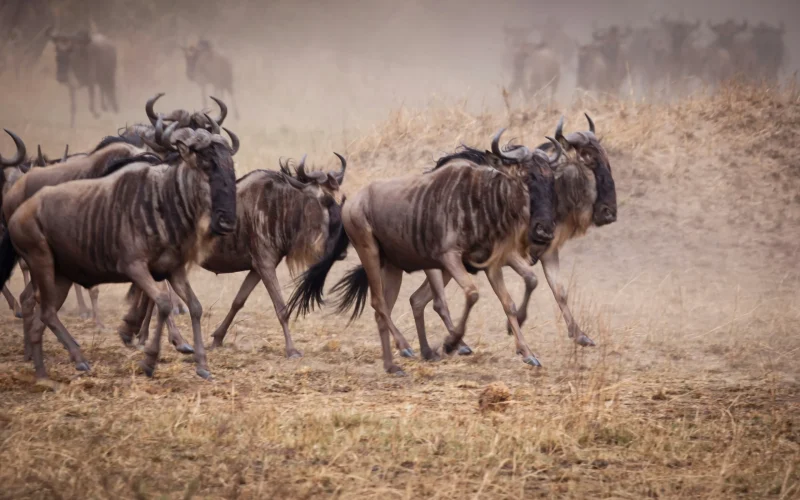
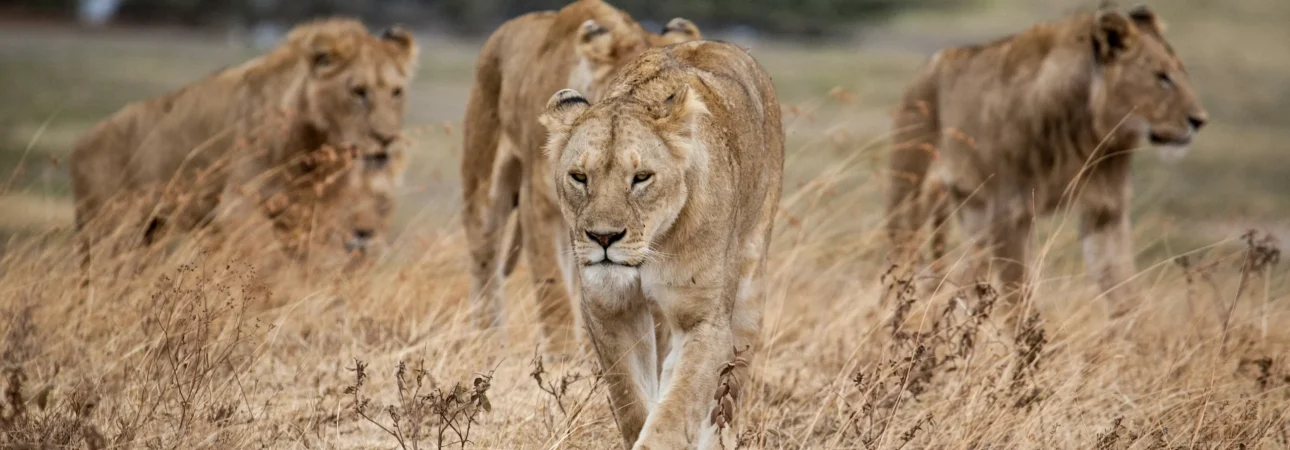
The crater floor supports over 25,000 large animals. It is famous for its resident population of black rhinos and large prides of lions. You will also find herds of wildebeest, zebra, and buffalo grazing across the grasslands. The Lerai Forest provides shade for elephants and occasionally leopards.

Birdlife is diverse, ranging from ostriches on the plains to thousands of lesser flamingos in the soda lake. While many animals live here permanently, some move between the crater and the surrounding highlands. Our experts note that the close proximity of different species creates frequent and exciting interactions between predators and prey.

Local Culture Community & Conservation

The Ngorongoro Conservation Area is unique because it allows Maasai pastoralists to live alongside wildlife. You can visit Maasai bomas to learn about their traditional way of life and how they share this landscape with wild animals. These visits are managed to ensure they benefit the local communities directly.

Conservation efforts focus on protecting the fragile ecosystem and the endangered black rhino. Park fees contribute to anti-poaching units and land management. Our guides emphasize that visiting with a respectful mindset helps maintain the balance between the needs of the local people and the protection of the wildlife.

Getting There

Most travellers arrive by flying into Kilimanjaro International Airport. From there, it is a short drive or a domestic flight to Arusha. Many people then choose a scenic road transfer from Arusha, which takes about three to four hours and passes through local villages and Lake Manyara.

Alternatively, you can take a scheduled light aircraft flight from Arusha to the Manyara airstrip. This flight takes about 40 minutes and offers a bird’s-eye view of the Great Rift Valley. From the airstrip, a lodge vehicle will meet you for a road transfer to your accommodation.

Our team coordinates all transfers to ensure a smooth journey. Whether you arrive by road or air, the transition into the highlands is handled by experienced safari drivers who know the terrain well.

Signature Experiences & Activities

Game drives on the crater floor

Descend 600 metres into the caldera for a full day of wildlife viewing among the densest concentration of animals in Africa.

Rhino tracking

Scan the horizons for the endangered black rhino, as this is one of the most reliable places in the world to see them in the wild.

Birdwatching at Lake Magadi

Visit the central alkaline lake to see vast flocks of flamingos and various water birds against the white salt crust.

Photography from the rim

Stop at the designated viewpoints on the crater rim for wide-angle views of the entire caldera before starting your descent.

Lions of the crater

Observe the resident lion prides which are known for being particularly relaxed around vehicles, allowing for close observations.

Forest exploration in Lerai

Drive through the yellow-barked fever tree forest to find shade-seeking elephants and various primate species.

  • Big Five
  • Bird Watching
  • Cultural Activities
  • Forest Experience
  • Hiking Trails
  • Scenic Landscapes
  • Volcano/Crater

Where To Stay

Practical Travel Tips

  • Pack warm layers for the chilly mornings on the crater rim
  • Wear neutral-coloured clothing to blend into the environment
  • Bring a good pair of binoculars for spotting rhinos in the distance
  • Carry some cash in Tanzanian Shillings for small tips or souvenirs
  • Charge your camera batteries overnight as there is a lot to film

Who This Destination Suits

  • First-time safari-goers who want guaranteed sightings
  • Families looking for a contained and easy-to-navigate park
  • Photographers wanting dramatic landscapes and close-up wildlife
  • Couples seeking iconic views from rim-side lodges
  • Travellers with limited time who want to see the Big Five quickly

Itinerary Combinations

Frequently Asked Questions

No, all lodges and camps are located on the rim or in the surrounding highlands to protect the crater floor.
One full day is usually enough to explore the entire crater floor and see the main wildlife highlights.
While sightings are very frequent compared to other parks, wildlife is free-roaming and never strictly guaranteed.
info@johnbowtoursandtravel.com
Kenya Cinema Plaza, 3rd Floor Room 3-8. Moi Avenue, Nairobi