Tarangire National Park

About This Destination

Tarangire National Park is best known for its massive elephant herds and the iconic baobab trees that dot the landscape. Located in northern Tanzania, the park offers a classic safari experience with a distinct character shaped by the Tarangire River. This permanent water source draws a high density of wildlife, especially during the drier months.

The atmosphere is one of space and quiet beauty. The terrain varies from open grasslands and swamps to dense acacia woodland and riverine forests. It feels more grounded and less crowded than some of its northern neighbors, making it a favorite for those seeking a more personal connection with nature.

This destination suits families, couples, and photography enthusiasts. Travelers choose Tarangire for its impressive elephant sightings, unique scenery, and the convenience of being part of the popular northern safari circuit. It offers a great balance of accessibility and wild scenery.
Why Visit

Tarangire stands out because of its high concentration of wildlife centered around the Tarangire River. While other parks may be busier, Tarangire offers a more relaxed pace and a landscape defined by prehistoric-looking baobabs. It is a place where the scale of nature feels both vast and accessible.

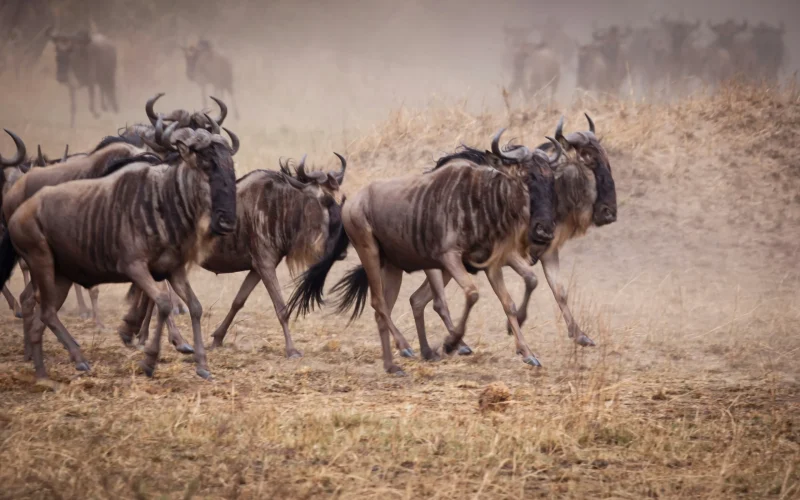
The park is famous for being home to some of the largest elephant populations in East Africa. During the dry season, the river becomes a focal point for thousands of animals, creating a natural theater for wildlife viewing. The mixture of varied habitats ensures that every game drive reveals a different side of the ecosystem.

Our guides say Tarangire is often the most underrated park in Tanzania, offering incredible value and some of the most consistent elephant encounters you will find anywhere. It provides an authentic safari feel without the high prices of ultra-luxury reserves.

Key Experiences

  • Elephant herds gathering at the Tarangire River
  • Walking safaris through the baobab-studded landscape
  • Bird watching in the Silale Swamp
  • Night game drives in nearby private conservancies
  • Sunset views over the Rift Valley escarpmentSunset views over the Rift Valley escarpment
Ngorongoro Crater

Best Time to Visit

The dry season from June to October is the most popular time for wildlife viewing. During these months, the grass is short and animals are forced to gather around the river and swamps. This makes sightings predictable and easy for travelers. Mornings are often cool and clear, providing excellent light for photos.

The green season from November to May transforms the park into a lush, emerald landscape. While some animals disperse during the rains, this is the best time for birding as migratory species arrive. The park is much quieter, and the dramatic skies offer a beautiful backdrop for those who enjoy scenery as much as wildlife.

Photographers often prefer the green months for the vibrant colors, while families typically visit during the dry season for the ease of spotting animals. No matter when you choose to go, the permanent presence of the river ensures there is always something to see.

Wildlife & Nature

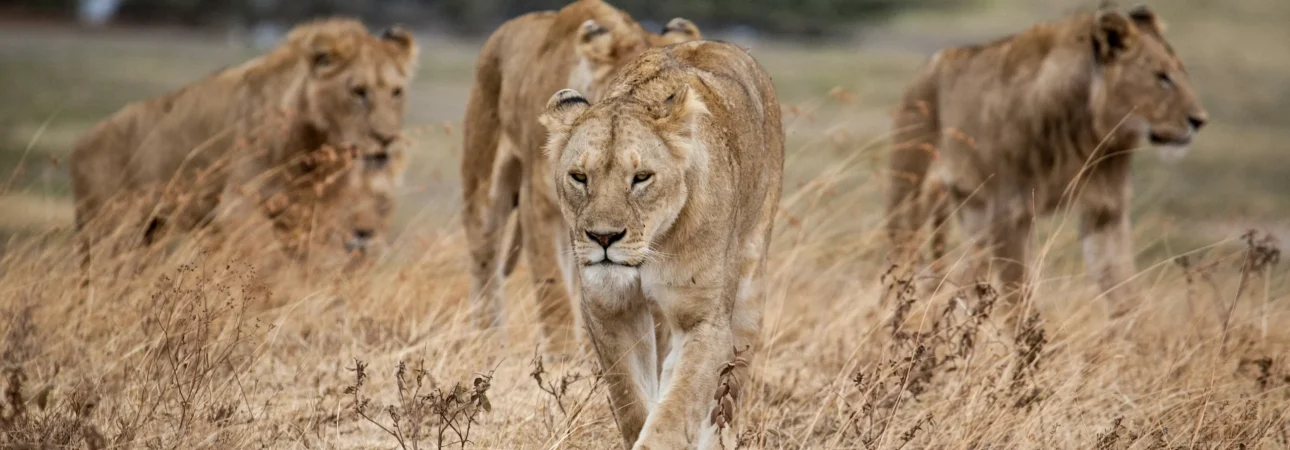
Tarangire is a sanctuary for large mammals, most notably elephants which can be seen in groups of hundreds. The park also supports healthy populations of lions, leopards, and cheetahs. You may also spot unique dry-country antelope like the fringe-eared oryx and the long-necked gerenuk in the more arid sections of the park.

The nature of the park is defined by the Tarangire River and the Silale Swamp. These areas act as a magnet for wildlife in an otherwise dry region. The vegetation is dominated by ancient baobab trees and whistling thorn acacia, creating a prehistoric atmosphere that is unlike the open plains of the Serengeti.

Experts note that the swamp system in the south of the park is a hidden gem, providing a year-round green oasis that supports a huge variety of birdlife and wallowing elephants.

Local Culture Community & Conservation

The area surrounding Tarangire is home to the Maasai and Barabaig people. Cultural visits are available as optional experiences where guests can visit a local boma to learn about traditional pastoral life. These visits are managed to ensure they are respectful and provide direct support to the local communities.

Conservation efforts focus on protecting the vital migratory corridors that connect Tarangire with Lake Manyara and the Maasai Steppe. By staying in community-owned conservancies, travelers contribute to the protection of these lands. These initiatives help reduce human-wildlife conflict and ensure the long-term survival of the elephant population.

Our team believes that understanding the link between the local people and the wildlife is essential for a complete safari experience.

Getting There

Tarangire is easily accessible from Arusha by road. The drive takes approximately 2 to 3 hours on paved roads, making it a convenient first stop for many safaris in northern Tanzania. Travelers usually travel in a private 4×4 vehicle with a professional driver-guide who handles the logistics.

Alternatively, guests can take a scheduled flight from Arusha Airport or Kilimanjaro International Airport to one of the airstrips within the park. These flights take about 20 to 30 minutes and offer a scenic view of the Rift Valley landscapes. Upon arrival, a lodge vehicle will meet you for the transfer to your camp.

The park is often combined with Lake Manyara or the Ngorongoro Crater. Transfers between these destinations are short and handled by your safari operator, ensuring a smooth and comfortable journey through the northern circuit.

Signature Experiences & Activities

Large Herd Tracking

Watch hundreds of elephants move toward the river to drink and bathe in the midday sun.

Baobab Photography

Capture the silhouettes of ancient trees against the African sky during the golden hour.

Silale Swamp Birding

Explore the lush wetlands to find over 500 species of birds including pelicans and eagles.

Guided Nature Walks

Walk with an armed ranger to learn about the smaller details of the bush and animal tracks.

Private Conservancy Night Drives

Use a spotlight to find nocturnal animals like bushbabies and servals just outside the park boundaries.

Picnic Lunch with a View

Enjoy a meal at a designated viewpoint overlooking the river and the plains below.

  • Big Five
  • Bird Watching
  • Cultural Activities
  • Hiking Trails
  • Hot-Air Balloon
  • Scenic Landscapes

Where To Stay

Practical Travel Tips

  • Pack a light jacket for early morning game drives as it can be chilly
  • Bring neutral-colored clothing like khaki or olive to blend into the environment
  • Carry a good pair of binoculars to spot birds and distant predators
  • Use insect repellent during the evening and early morning hours
  • Keep some Tanzanian Shillings or small US Dollar bills for tips and small purchases

Who This Destination Suits

  • Families looking for reliable wildlife sightings and shorter travel times
  • Couples seeking a quieter and more intimate safari atmosphere
  • Photographers interested in elephants and unique tree landscapes
  • Bird watchers wanting to explore diverse wetland and woodland habitats
  • First-time safari-goers wanting an easy introduction to the African bush

Itinerary Combinations

Frequently Asked Questions

Two nights are usually enough to see the highlights, but three nights allow for a more relaxed pace and southern park exploration.
You will likely see elephants, lions, and leopards, but rhinos are not present in this park.
Yes, it is possible because of the short driving distance, though an overnight stay is recommended for the best experience.
info@johnbowtoursandtravel.com
Kenya Cinema Plaza, 3rd Floor Room 3-8. Moi Avenue, Nairobi