Aberdare National Park

About This Destination

Aberdare National Park is a high-altitude sanctuary defined by mist-covered peaks, deep ravines, and ancient rainforests. It sits in the central highlands of Kenya, offering a cool, atmospheric contrast to the open savannahs found elsewhere. The park is best known for its steep mountain slopes and the famous lodges built over salt licks where wildlife comes to you.

The air here is crisp, and the terrain is rugged. You will find moorlands, bamboo thickets, and dramatic waterfalls like Karuru and Chania. The mood is quiet and secluded, making it feel like a private mountain retreat rather than a busy tourist hub. It is a place for those who appreciate mountain scenery and a slower pace of discovery.

This destination suits families, hikers, and photographers looking for unique landscapes. It is also perfect for those who want a quiet stop between the busier parks of the Rift Valley and Mount Kenya. Travellers choose Aberdare for its easy access from Nairobi, its cooler climate, and the chance to see forest-dwelling species rarely found on the plains.
Why Visit

Aberdare National Park stands out for its vertical beauty and forest-dwelling wildlife. While other parks offer wide horizons, this region provides intimacy through its dense vegetation and hidden glades. The main appeal lies in its dramatic elevation and the sense of being in a world apart from the heat of the lowlands.

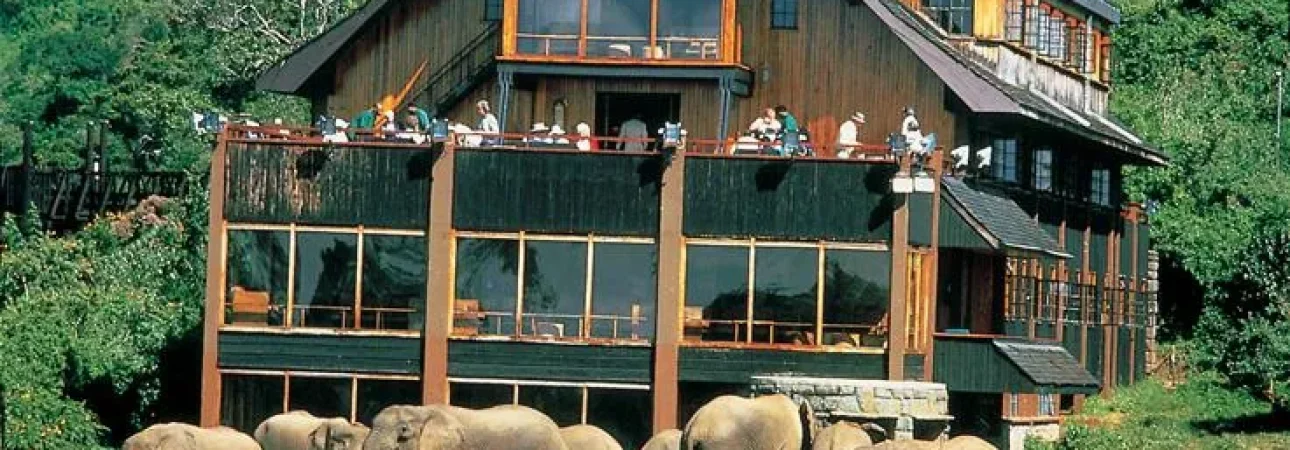
Travellers love the unique “ark-style” lodges where you can watch elephants and buffalo from your balcony throughout the night. It is a reliable destination for those who want to see wildlife without long hours in a vehicle. The park also offers excellent value for mid-range travellers, providing a high-quality mountain experience that is both accessible and affordable.

Our guides say this is Kenya’s most atmospheric park where the mist and waterfalls create a sense of mystery you won’t find anywhere else.

Key Experiences

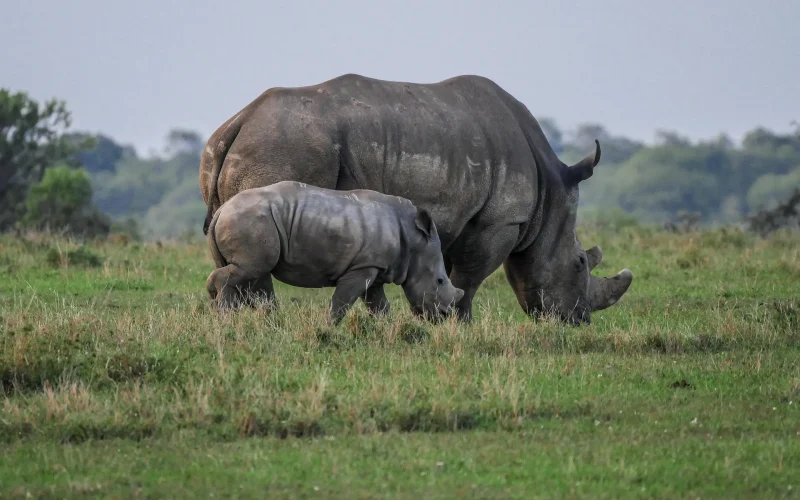
  • Watching elephants and rhinos visit floodlit salt licks at night
  • Viewing the spectacular three-tier Karuru Waterfalls from the lookout
  • Hiking through the high-altitude moorlands and bamboo forests
  • Spotting rare forest antelopes like the elusive bongo
  • Picnicking near the chilly mountain streams and waterfalls
aberdare (1)

Best Time to Visit

The dry seasons from June to September and December to February are the most popular times to visit. During these months, the tracks are easier to navigate and the clear mountain air offers great views of the peaks. Wildlife is also more likely to gather around the waterholes near the lodges.

The green season from March to May and October to November brings rain and heavy mist, which adds to the park’s moody atmosphere. The landscapes become exceptionally lush and the waterfalls are at their most powerful. This is a great time for birdwatchers and those who prefer a more private experience with fewer other visitors.

Wildlife & Nature

The park is a vital habitat for black rhinos and large herds of elephants that move through the thick forests. You are also likely to see buffalo, leopards, and several species of primates, including the black-and-white colobus monkey. The high-altitude moorlands are home to specialized species such as the eland and the serval cat.

The flora is as significant as the fauna. You will see giant lobelias and groundsels in the higher zones, while the lower slopes are covered in dense montane forest. The presence of the salt licks creates a unique viewing opportunity, allowing animals to behave naturally just meters from observers.

Our guides note that while the forest makes tracking animals a challenge, the reward of seeing a leopard or a bongo in the shadows is far more exciting.

Local Culture Community & Conservation

Aberdare plays a critical role in Kenya’s water security as it is a major water tower for the country. Conservation efforts here focus on maintaining the electric fence that protects both the forest wildlife and the surrounding farming communities. This balance ensures that the ecosystem remains healthy while supporting local livelihoods.

Visitors contribute directly to these efforts through park fees which fund the Kenya Wildlife Service rangers who patrol the forest. The local communities often provide the warm hospitality found in the lodges and benefit from the sustainable tourism model.

Our guides suggest that taking a moment to learn about the park’s history as a site of colonial-era resistance adds a deeper layer of respect to your visit.

[destination_map]

Getting There

Getting to Aberdare National Park is straightforward from Nairobi. The drive takes about 3 to 4 hours, depending on the gate you use. Most travellers use the Nyeri or Mweiga gates, which are easily accessible via well-maintained roads from the capital.

For a quicker journey, scheduled flights land at the Nanyuki or Mweiga airstrips. The flight takes approximately 45 minutes from Nairobi. Once you land, a safari driver will meet you for a short transfer into the park, often including a game drive on the way to your lodge.

The journey offers views of the central highlands and large tea and coffee plantations. Our team handles all the logistics to ensure your transition from the city to the mountain forest is smooth and comfortable.

Signature Experiences & Activities

Night Wildlife Viewing

Stay at one of the famous tree-top lodges to watch animals visit the salt licks under floodlights while you relax.

Waterfall Tours

Visit Karuru, Chania, and Magura waterfalls to see water plunging over high cliffs into deep, forested valleys.

High-Altitude Trekking

Walk along the moorlands at 3,000 meters to experience the unique alpine plants and sweeping mountain views.

Bird Watching

Look for over 250 species of birds including the Jackson’s francolin and the brightly coloured sunbirds.

Trout Fishing

Try your luck at fishing for brown and rainbow trout in the cool, clear mountain moorland streams.

Scenic Moorland Drives

Drive through the diverse levels of the park to see how the landscape changes from bamboo forest to open heathland.

  • Big Five
  • Bird Watching
  • Cultural Activities
  • Forest Experience
  • Hiking Trails
  • Scenic Landscapes
  • Waterfalls

Where To Stay

Practical Travel Tips

  • Pack warm clothing as temperatures drop significantly at night and in the mornings
  • Bring waterproof gear because rain and mist are common even in the dry season
  • Wear comfortable walking shoes or boots for exploring the falls and moorlands
  • Carry a pair of binoculars for watching animals at the salt licks from the lodge decks
  • Use a 4x4 vehicle for driving within the park as the forest tracks can be slippery

Who This Destination Suits

  • Families looking for a safe and easy way to see wildlife from the comfort of a lodge
  • Hikers and walkers who enjoy mountain air and varied terrain
  • Photographers interested in waterfalls and moody forest landscapes
  • Travellers who prefer a cool climate over the heat of the savannah
  • Bird watchers seeking high-altitude species

Itinerary Combinations

Frequently Asked Questions

You can see four of the Big Five, but lions are very rare and difficult to spot in the dense forest.
Yes, the lodges with viewing decks are very popular for families because kids can see animals safely.
Two nights is usually enough to enjoy the waterfalls and spend time at a salt-lick lodge.
info@johnbowtoursandtravel.com
Kenya Cinema Plaza, 3rd Floor Room 3-8. Moi Avenue, Nairobi