Lake Bogoria National Reserve

About This Destination

Located in the Baringo lowlands within the Great Rift Valley, Lake Bogoria National Reserve is a place of stark beauty and geothermal activity. The reserve is famous for its alkaline waters that host huge flocks of flamingos and its dramatic hot springs that erupt from the earth. Surrounded by the rugged Siracho Escarpment, the landscape feels raw and untouched, offering a different atmosphere from the typical grassy savannas of Kenya.

The terrain here is dry and scrubby, with rocky outcrops and alkaline flats that shimmer under the sun. It is a shallow lake with no outlet, which concentrates the minerals and creates the perfect environment for blue-green algae. This unique ecosystem draws visitors who want to see the intersection of volcanic power and birdlife in a quiet, less crowded setting.
Why Visit

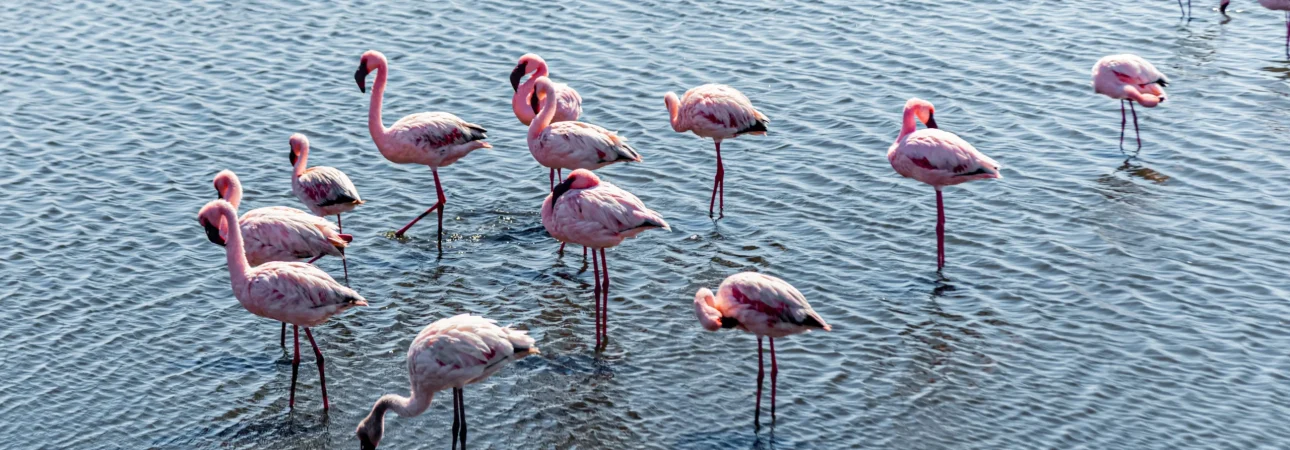
Lake Bogoria offers a sense of solitude and natural drama that is hard to find elsewhere. It is one of the few places in Kenya where you can walk alongside thousands of flamingos against a backdrop of steaming geysers. The reserve is less about the “Big Five” and more about the unique geology and specialized wildlife that thrives in harsh conditions.

Our safari guides say this is the best place in the country to experience the raw volcanic energy of the Rift Valley while enjoying incredible bird photography.

Key Experiences

  • Watching thousands of flamingos turn the lake shore pink
  • Seeing natural geysers and hot springs erupt along the water's edge
  • Spotting the rare Greater Kudu in the thickets of the escarpment
  • Taking a guided walk along the lake shore at sunrise
  • Viewing the dramatic drop of the Siracho Escarpment
walvis-bay-namibia-april-16-2024

Best Time to Visit

The dry months from June to October and January to February are the most popular times to visit. During these periods, the roads are easy to navigate and the weather is generally clear, making it easier to see the flamingos and enjoy the hot springs. The mornings are usually cool and bright, providing the best light for photography.

The green season from March to May and November to December brings occasional rain which makes the landscape lush and green. This is a great time for birdwatchers as migratory species arrive, and there are fewer visitors in the reserve. Even in the rainy season, the geothermal activity remains a constant and impressive sight.

Wildlife & Nature

The star attraction is the Lesser Flamingo, which often gathers here in vast numbers when water levels are right. Beyond the birds, the reserve is a vital sanctuary for the Greater Kudu, a majestic antelope with spiraling horns that hides in the bushy hillsides. You might also see plains zebras, Grant’s gazelles, and vervet monkeys near the lake.

The nature here is defined by heat and minerals. The hot springs are so hot they can boil an egg, and the steam rising from the ground creates a prehistoric feel. The water is highly alkaline, which limits fish life but supports the algae that flamingos love. It is a harsh but beautiful environment that rewards those who look closely at the smaller details of the Rift Valley ecosystem.

Local Culture Community & Conservation

The area around Lake Bogoria is home to the Tugen and Endorois communities. These groups have a deep historical connection to the land and the lake. Many of the staff working in the reserve and local lodges come from these communities, ensuring that tourism directly supports the local economy. Visitors can often learn about traditional pastoralist lifestyles through local interactions.

Conservation efforts focus on protecting the fragile alkaline ecosystem and the Greater Kudu population. The reserve is a Ramsar site, meaning it is recognized internationally as a wetland of great importance. By visiting, travelers contribute to the park fees used to maintain the roads and protect the wildlife from encroachment. Respecting the environment and staying on designated paths helps preserve this unique landscape for the future.

Getting There

The drive from Nairobi to Lake Bogoria takes about 4 to 5 hours. The route goes through the scenic Rift Valley, passing through the town of Nakuru before heading north toward Marigat. The roads are generally paved and in good condition, making it a straightforward journey for a safari vehicle or a sturdy car.

For those who prefer to fly, scheduled flights are available from Nairobi to nearby airstrips in the Baringo region. From the airstrip, a road transfer of about an hour will bring you to the reserve. This is a faster option that allows you to see the dramatic Rift Valley landscapes from the air before arriving at the lake.

Another way to visit is as part of a longer circuit that includes Lake Nakuru or Lake Baringo. Transfers between these lakes are relatively short, usually taking 1 to 2 hours by road. This allows travelers to experience several different Rift Valley ecosystems in one trip without long hours spent traveling between destinations.

Signature Experiences & Activities

Geyser and Hot Spring Walks

Walk safely near the erupting geysers to see the steam and boiling water rising from the ground.

Flamingo Photography

Capture the massive flocks of flamingos that feed in the shallow alkaline waters along the shoreline.

Greater Kudu Tracking

Search the scrubland and the base of the escarpment with a guide to find these shy antelopes.

Lakeside Birding

Identify some of the hundreds of bird species that live around the lake and the nearby acacia woodlands.

Sunset at the Escarpment

Watch the light change over the Siracho Escarpment as the sun dips below the Rift Valley floor.

Picnic by the Springs

Enjoy a meal in designated areas while watching the geothermal steam rise against the blue sky.

  • Bird Watching
  • Cultural Activities
  • Forest Experience
  • Scenic Landscapes

Where To Stay

Practical Travel Tips

  • Wear comfortable walking shoes with good grip for rocky terrain
  • Carry plenty of drinking water as the area can get very hot
  • Bring a hat and high-factor sunscreen to protect against the equatorial sun
  • Keep a safe distance from the hot springs as the water is boiling
  • Use binoculars to get the best views of the Greater Kudu and distant birds

Who This Destination Suits

  • Bird watchers interested in seeing huge flamingo populations
  • Photography enthusiasts looking for unique geothermal landscapes
  • Travelers who prefer quiet destinations away from large crowds
  • Families looking for an educational day trip or short stay
  • Adventure seekers interested in the volcanic history of the Rift Valley

Itinerary Combinations

Frequently Asked Questions

No, the water is too alkaline and the hot springs are dangerously hot, but some nearby lodges have pools.
One full day is usually enough to see the main highlights, but staying overnight allows for better morning birding.
While most of the main road is paved, a vehicle with good ground clearance is recommended for the tracks inside the reserve
info@johnbowtoursandtravel.com
Kenya Cinema Plaza, 3rd Floor Room 3-8. Moi Avenue, Nairobi