Lake Manyara National Park

About This Destination

Lake Manyara National Park sits at the base of the Great Rift Valley escarpment in Northern Tanzania. It is best known for its diverse landscapes that pack an enormous amount of variety into a small area. Travelers find a mix of dense groundwater forests, open floodplains, and the expansive soda lake that gives the park its name.

The atmosphere is intimate and lush. You move from the cool, shaded forest canopies into the bright, shimmering light of the lake shore. The terrain is defined by the steep golden cliffs of the Rift Valley on one side and the blue alkaline water on the other. It feels like a secret garden compared to the vast, open plains of the nearby Serengeti.

This destination suits families with children, bird watchers, and travelers on a Northern Tanzania safari circuit who want a scenic change of pace. It is a practical choice for those who appreciate easy accessibility and a high density of wildlife in a manageable setting.
Why Visit

Lake Manyara offers a distinct character because of its compressed ecosystems. While larger parks offer vastness, Manyara offers variety. You can see forest-dwelling monkeys and plains-dwelling zebras within minutes of each other. It provides a lush, green contrast to the dryer savannahs found elsewhere in the region.

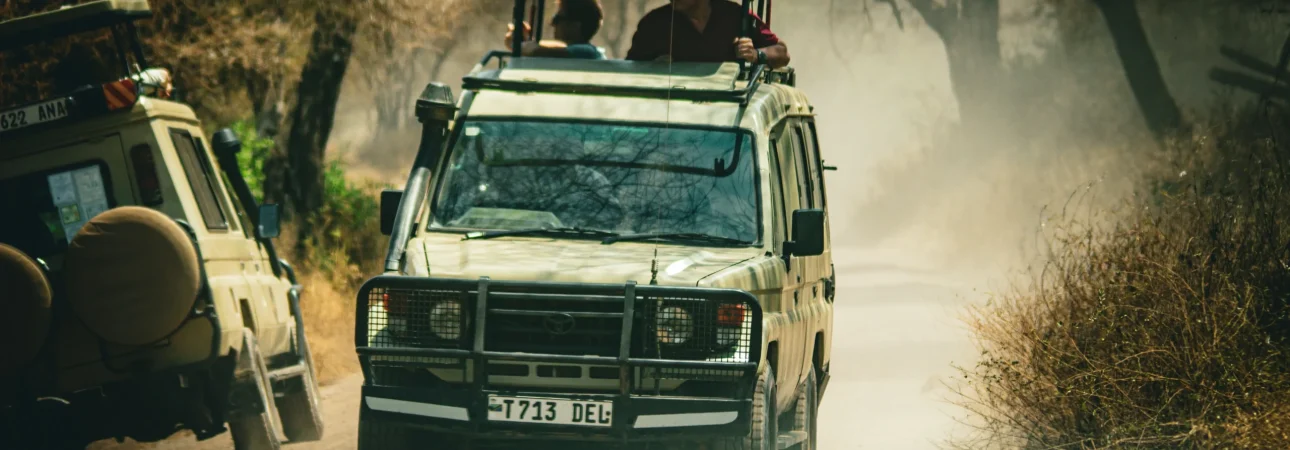
The park is famous for its tree-climbing lions and the thousands of flamingos that tint the lake pink. Travelers love the ease of access from Arusha and the fact that a full range of wildlife can be seen in a single day. Our guides say this is the best park for those who want to see big mammals against a backdrop of ancient forest and dramatic cliffs.

Key Experiences

  • Watching tree-climbing lions resting on acacia branches
  • Seeing thousands of pink flamingos gather on the lake shore
  • Walking on the Treetop Walkway through the forest canopy
  • Observing large elephant herds moving through the groundwater forest
  • Taking a night game drive to see nocturnal animals like genets and bushbabies
denice-alex-GGOMsv3_zRg-unsplash

Best Time to Visit

The dry season from June to October is the best time for large mammal sightings. As the bush thins out, animals are easier to spot and they gather frequently near permanent water sources. The weather is cool and clear, making for comfortable days in the vehicle.

The green season from November to May transforms the park into a lush paradise. This is the peak time for bird watching as migratory species arrive and the flamingos are often at their most numerous. While there are afternoon rains, the scenery is vibrant and perfect for photography.

Wildlife & Nature

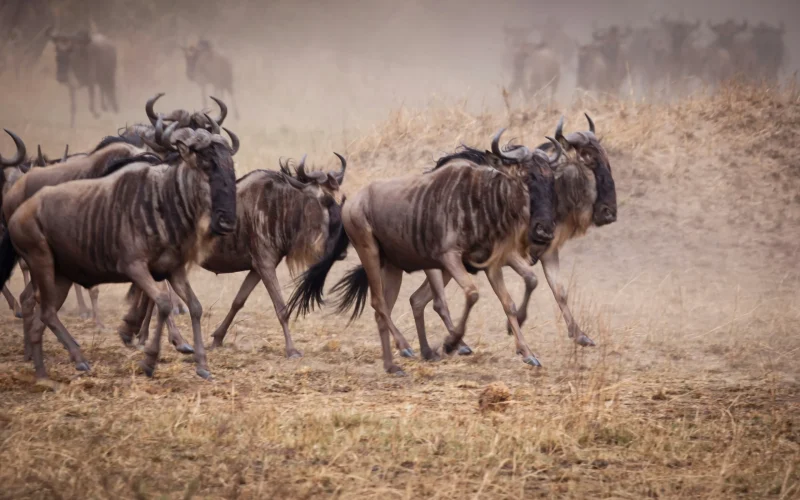
The park is a haven for diverse species due to its varied habitats. In the groundwater forest, you will encounter troops of baboons and blue monkeys. As the forest opens into the floodplains, you find buffalo, giraffe, and zebra. The lake itself is the heart of the park, supporting hippos and a vast array of water birds.

Tree-climbing lions are the park’s most iconic residents, though they are elusive. Large elephants are common and often seen emerging from the thick foliage. The birdlife is spectacular, with over 400 species recorded. Our guides note that the park’s small size means you are never far from the next encounter.

Local Culture Community & Conservation

The local Mto wa Mbu village sits just outside the park entrance. It is one of the most culturally diverse areas in Tanzania, where many different tribes live and farm together. Visitors can take part in hosted tours that support the local economy through visits to markets and farms.

Conservation efforts focus on protecting the fragile groundwater forest and the wildlife corridors that connect Manyara to the Tarangire ecosystem. By visiting, travelers contribute to the park fees that fund these protection programs. Our guides emphasize the importance of observing wildlife quietly to respect this delicate environment.

Getting There

Most travelers arrive by road from Arusha. The journey takes about 2 to 3 hours on a well-maintained tarmac road. This drive offers views of the Tanzanian countryside and the bustling town of Mto wa Mbu.

You can also take a scheduled flight from Arusha or the Serengeti to the Lake Manyara airstrip. These flights are short and provide a scenic view of the Rift Valley from above. Once you land, a safari driver will meet you for a short transfer to your lodge.

The park is a common stop on the Northern Circuit. It is often paired with a visit to the Ngorongoro Crater or Tarangire National Park. Your travel team handles all transfers to ensure a smooth transition between destinations.

Signature Experiences & Activities

Treetop Walkway

Walk along a high suspension bridge through the forest canopy to see birds and monkeys at eye level.

Lake Shore Drive

Follow the tracks along the edge of the soda lake to view flamingos and pods of hippos.

Groundwater Forest Exploration

Drive through the ancient, towering trees near the park gate where baboons and elephants frequent the shade.

Night Game Drives

Join a guided night safari to search for predators and nocturnal creatures that are active after dark.

Bird Watching

Spend time at the various marshes and the lake to identify hundreds of different bird species.

Majimoto Hot Springs

Visit the natural hot springs at the south end of the park where warm water bubbles from the earth.

  • Big Five
  • Bird Watching
  • Boat Ride
  • Cultural Activities
  • Forest Experience
  • Hot-Air Balloon
  • Scenic Landscapes

Where To Stay

Practical Travel Tips

  • Bring a light sweater for early morning drives in the forest
  • Carry high-quality binoculars to spot birds on the lake
  • Wear neutral-colored clothing like khaki or olive green
  • Keep your vehicle windows up when baboons are nearby
  • Have some small Tanzanian Shilling notes for local market purchases

Who This Destination Suits

  • Families wanting a short and engaging safari experience
  • Bird watchers looking for a high concentration of species
  • Photographers who enjoy diverse forest and lake landscapes
  • First-time safari-goers who prefer shorter driving distances
  • Couples looking for a scenic and romantic forest setting

Itinerary Combinations

Frequently Asked Questions

One to two days is usually enough to see the main highlights of the park.
You can see elephants, buffalo, and leopards, but rhinos are not present and lions are often hidden in trees.
Yes, the park is very accessible and the shorter game drives are well-suited for young travelers.
info@johnbowtoursandtravel.com
Kenya Cinema Plaza, 3rd Floor Room 3-8. Moi Avenue, Nairobi