Lamu Archipelago

About This Destination

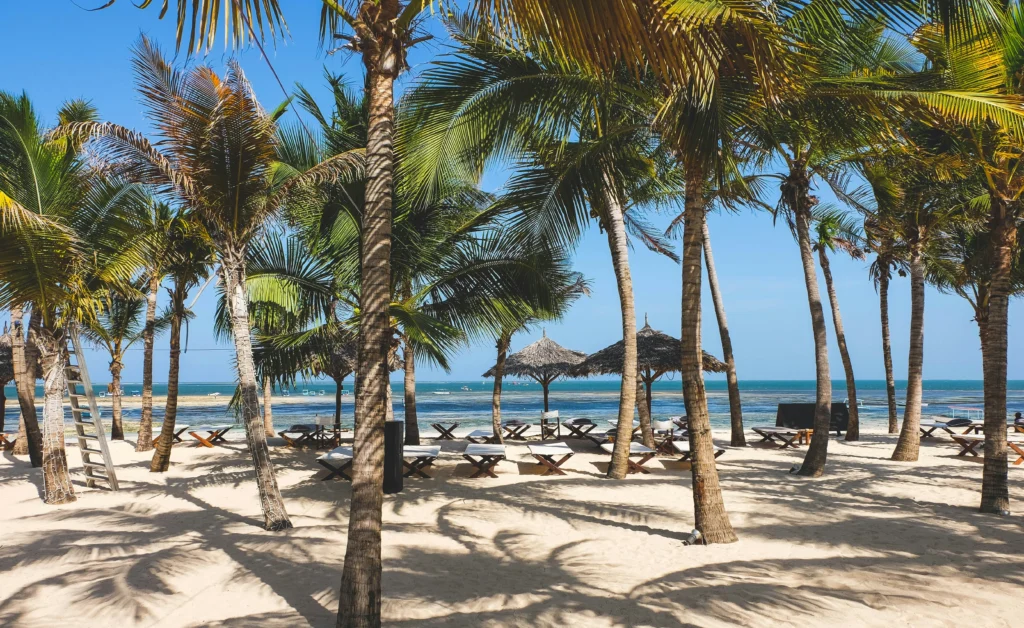
The Lamu Archipelago is a cluster of islands off Kenya’s northern coast where life moves to the rhythm of the tides and the monsoon winds. It is best known for Lamu Old Town, a UNESCO World Heritage site that stands as the oldest and best-preserved Swahili settlement in East Africa. The islands offer a rare blend of living history, traditional dhow sailing, and quiet, sandy beaches.

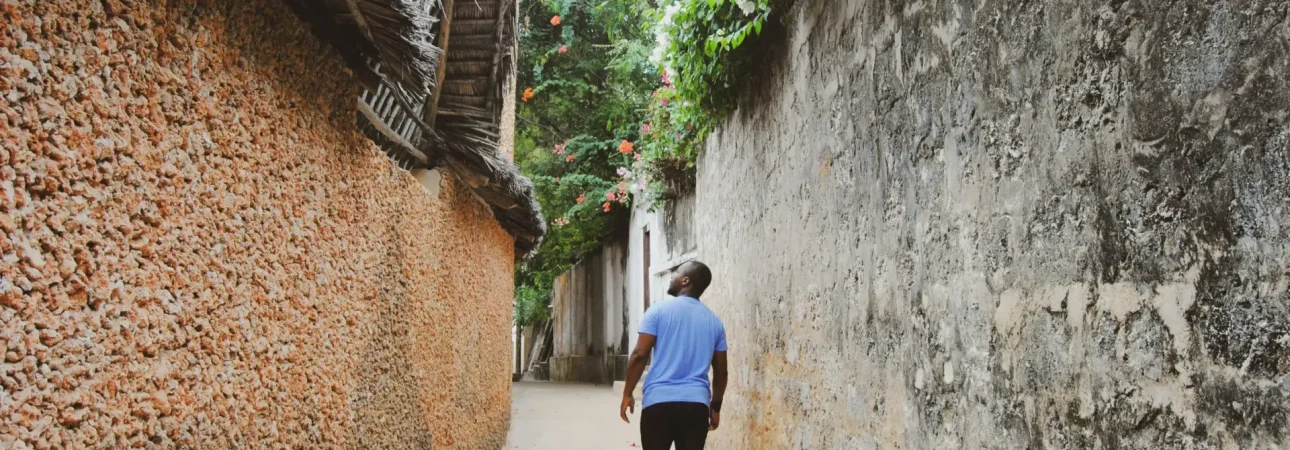
The atmosphere is one of profound calm and timelessness. Without cars, the narrow stone alleys of the main island are shared by pedestrians and donkeys, while the scent of jasmine and woodsmoke hangs in the humid air. The terrain varies from the ancient coral-stone architecture of the towns to the sprawling mangrove forests and high sand dunes that line the shores of Manda and Shela.
Why Visit

Lamu offers a distinct cultural depth that differs from the typical resort experience found further south. It is a place for travellers who value heritage, slow living, and authenticity. The archipelago’s charm lies in its preservation; here, Swahili culture is not a performance for tourists but a daily reality seen in the intricate carvings of wooden doors and the traditional craftsmanship of dhow builders.

Travellers are often drawn to the seamless transition between the historic bustle of the town and the vast, empty stretches of beach at Shela and Manda Island. The region provides a sense of space and tranquility that is increasingly rare, making it an ideal retreat after a safari or for those seeking a meaningful coastal escape. Our guides say Lamu is where you go to stop looking at your watch and start watching the light change on the water.

Key Experiences

  • Walking through the labyrinthine streets of Lamu Old Town to see historic Swahili architecture.
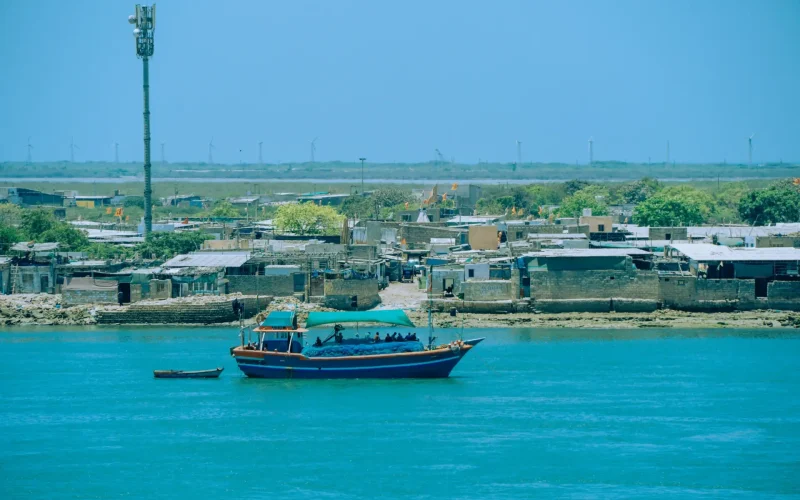
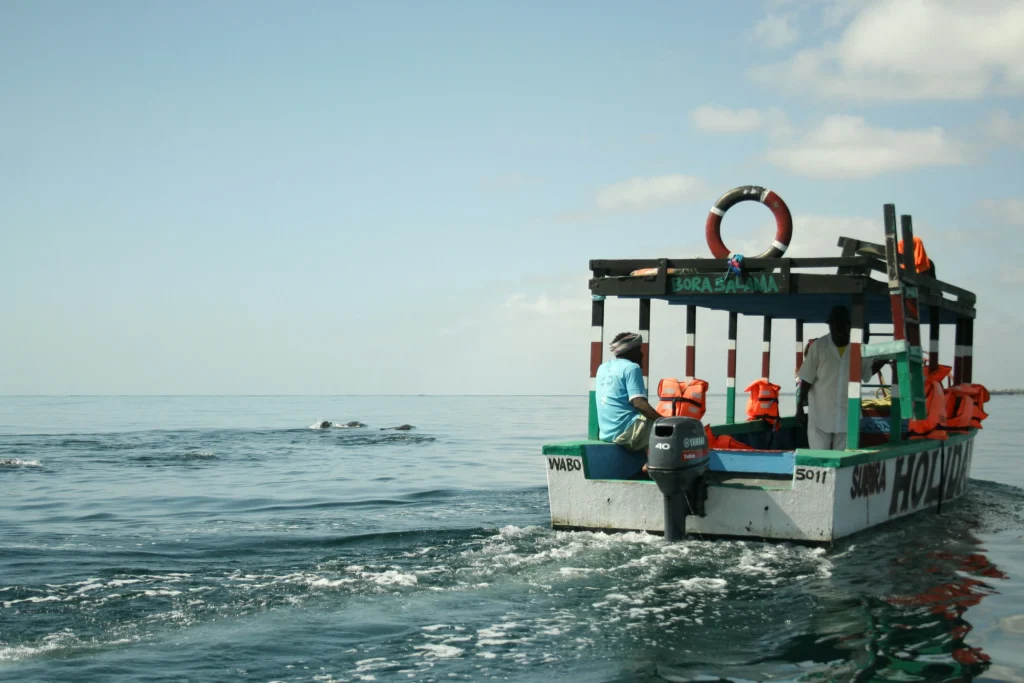
  • Sailing on a traditional wooden dhow at sunset across the channel.
  • Exploring the 14th-century Takwa Ruins on Manda Island.
  • Relaxing on the long, pristine beach at Shela Village.
  • Watching local craftsmen carve world-famous Lamu doors by hand.
kennedy-kioli-6i0qj10Sydo-unsplash

Best Time to Visit

The best time to visit the Lamu Archipelago depends on the kind of experience you want. The islands remain a rewarding year-round destination, with the dry seasons from January to March and July to October offering the most reliable sunshine and calm seas. This is the peak period for sailing and water activities, though the islands never feel as crowded as other coastal hubs.

The green season between April and June brings heavier rains and stronger winds, which can affect boat travel between islands. However, the landscape turns vibrant green, and the air is exceptionally clear. For those seeking maximum value and a very quiet atmosphere, the shoulder months of November and December provide warm temperatures and occasional refreshing showers.

Wildlife & Nature

The natural character of Lamu is defined by its marine and coastal ecosystems rather than land mammals. Mangrove forests fringe the islands, acting as vital nurseries for fish and birds. Travellers can observe a variety of birdlife, including fish eagles and bright kingfishers, particularly within the quiet channels of the archipelago.

Along the outer beaches, the ecosystem supports sea turtles that occasionally nest in the soft sands. The surrounding coral reefs host diverse marine life, making the nearby waters excellent for quiet observation. Our guides often note that the true natural beauty of Lamu is found in the way the dunes and mangroves shift with the seasons, protecting the islands from the Indian Ocean.

Local Culture Community & Conservation

Lamu’s identity is inseparable from its community. The islands are a center of Islamic and Swahili scholarship, and visitors are encouraged to dress modestly and engage respectfully with local customs. Cultural visits are naturally integrated into daily life, from watching dhow races to visiting community-led craft workshops that provide fair wages to local artisans.

Conservation efforts focus on protecting the fragile marine environment and the architectural heritage of the town. Initiatives include turtle protection programs and plastic-waste management led by local youth groups. Our experts believe that the best way to support Lamu is to engage with local boat captains and guides, ensuring the economic benefits of tourism stay within the island community.

Getting There

Most travellers reach the archipelago by flying into Manda Airport. Scheduled flights depart daily from Nairobi’s Wilson Airport and Jomo Kenyatta International Airport, as well as from Mombasa and Malindi. The flight offers a scenic view of the coastline and takes approximately 90 minutes from the capital.

Upon arrival at the airport on Manda Island, guests are met by a Johnbow representative. Since there are no cars on the islands, the final leg of the journey is a short and scenic boat transfer across the channel. This boat ride takes between 10 and 20 minutes depending on whether you are staying in Lamu Town, Shela, or on Manda itself.

While road travel from other parts of Kenya is possible, it involves long distances and varied road conditions. We recommend the convenience and speed of regional flights to maximize your time on the islands. All transfers between the airstrip and your lodge are pre-arranged to ensure a smooth arrival.

Signature Experiences & Activities

Traditional Dhow Sailing

Board a hand-built wooden vessel to navigate the calm waters between islands, experiencing the same transport used for centuries.

Walking Tours of Old Town

Navigate the narrow, car-free streets with a local guide to learn about Swahili history and the island's unique coral-stone buildings.

Mangrove Channel Exploring

Take a small boat through the dense mangrove forests to see the complex root systems and local bird species.

Sunset Beach Walks

Walk the twelve-kilometer stretch of white sand at Shela, where the dunes meet the sea in total silence.

Swahili Culinary Immersion

Sample local flavors such as coconut-crusted fish and spicy ginger tea in a traditional rooftop setting.

Deep Sea Fishing or Snorkeling

Head to the outer reefs of the archipelago to see colorful fish or try your hand at sustainable fishing with local experts.

  • Bird Watching
  • Boat Ride
  • Cultural Activities
  • Desert Experience
  • Hiking Trails
  • Marine Activities
  • Scenic Landscapes

Where To Stay

Practical Travel Tips

  • Wear modest clothing that covers shoulders and knees when walking in Lamu Town.
  • Bring comfortable sandals or flip-flops as you will be walking on sand and stone.
  • Carry a light torch for walking back to your lodge at night as street lighting is minimal.
  • Use reef-safe sunscreen to protect the delicate marine environment.
  • Keep a small amount of Kenyan Shillings for tipping dhow crews and buying local crafts.

Who This Destination Suits

  • Couples looking for a romantic and quiet retreat away from modern distractions.
  • History enthusiasts interested in ancient Swahili culture and architecture.
  • Travellers seeking a "slow travel" experience without cars or large crowds.
  • Creative individuals and writers drawn to the inspiring light and peaceful atmosphere.
  • Small groups or families who enjoy private villa stays and boat-based activities.

Itinerary Combinations

Frequently Asked Questions

Most movement is on foot through the narrow streets or by using local boat taxis to travel between the different islands. For heavy lifting or long-distance land travel on the main island, donkeys are the primary mode of transport.
Yes, but the experience is different from a typical resort; the best swimming beaches are at Shela and Manda Island, a short boat ride or long walk from Lamu Town. The water is warm and generally calm, making it ideal for swimming and sailing.
A stay of three to four nights allows enough time to explore the historic town, enjoy a dhow sailing trip, and have a full day of relaxation on the beach. Many guests find that the slow pace makes them want to stay longer to fully decompress.
info@johnbowtoursandtravel.com
Kenya Cinema Plaza, 3rd Floor Room 3-8. Moi Avenue, Nairobi