Lewa Wildlife Conservancy

About This Destination

Lewa Wildlife Conservancy sits on the northern foothills of Mount Kenya. It is a world-class example of how private land can protect endangered species while supporting local people. The landscape is a mix of open grasslands, acacia woodland, and fertile wetlands fed by springs.

The atmosphere here is calm and exclusive. Because it is a private conservancy, there are fewer vehicles than in national parks, which creates a quiet and intimate safari feeling. The terrain is hilly in some areas, offering wide views over the plains toward the jagged peaks of Mount Kenya.

This destination suits families, couples, and conservation enthusiasts. It is also an excellent choice for photographers and those who want to see rare wildlife like the black rhino and Grevy’s zebra in a peaceful setting.
Why Visit

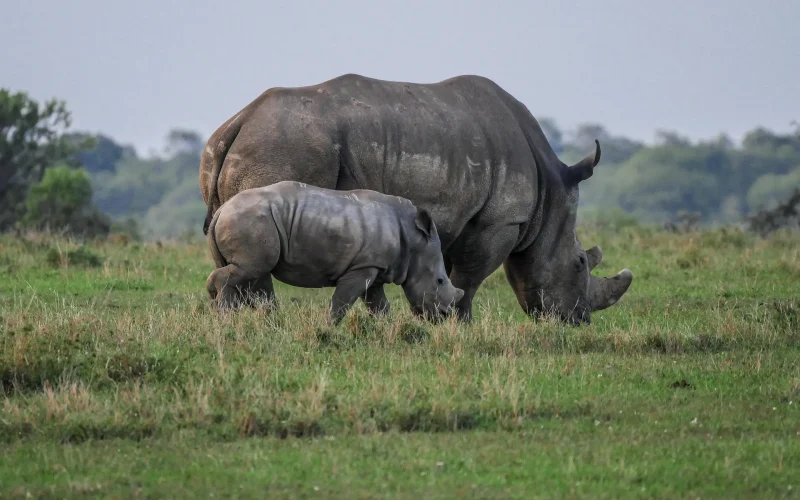
Lewa is famous for its successful rhino conservation. It is one of the best places in East Africa to see both black and white rhinos in their natural habitat. The conservancy offers a more private experience than public parks, with high wildlife density and diverse landscapes.

Travellers choose Lewa because it combines luxury with a deep sense of purpose. Every visit directly supports the protection of endangered species and provides healthcare and education to the surrounding communities. It offers a balanced pace, where guests can enjoy traditional game drives alongside more active adventures.

Our guides say Lewa is where you see conservation in action. You don’t just watch animals; you see how a landscape is carefully managed to ensure they thrive for the future.

Key Experiences

  • Viewing black and white rhinos in the wild
  • Guided bush walks with experienced rangers
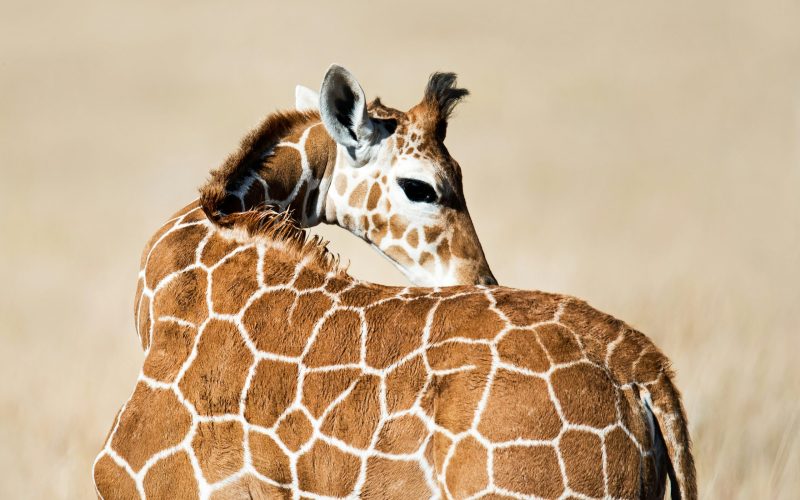
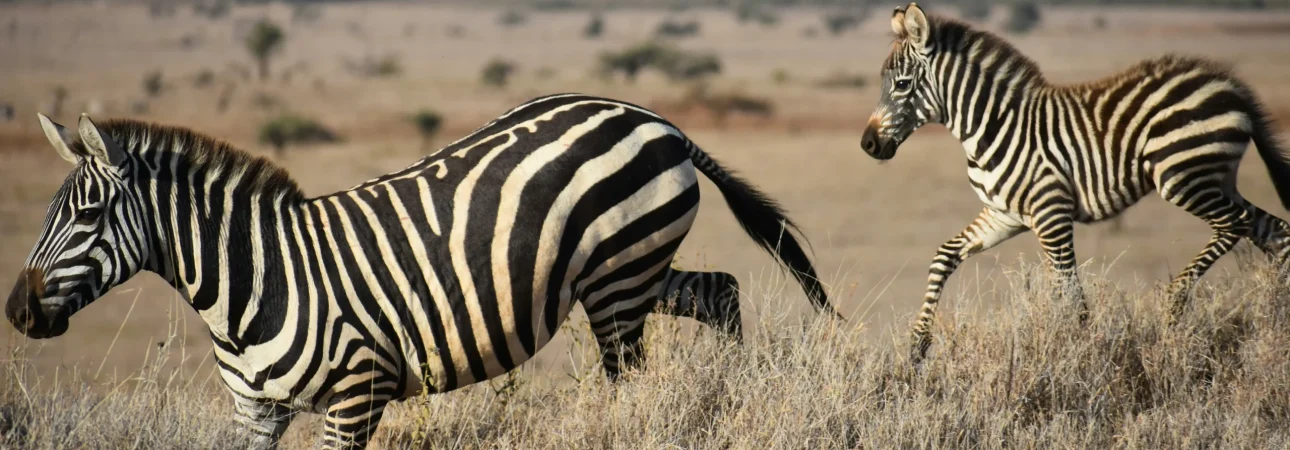
  • Seeing the rare Grevy’s zebra and reticulated giraffe
  • Scenic sundowners overlooking the northern frontier
  • Visiting the conservancy’s operations and canine tracking unit
ellen-white-RKgC_y92rhQ-unsplash

Best Time to Visit

The dry seasons from June to October and January to February are the best times for wildlife viewing. During these months, animals gather at waterholes, and the grass is short, making sightings easier. The weather is usually clear and sunny with cool mornings.

The green season occurs from March to May and from November to December. These months bring rain that turns the plains lush and green. This is a beautiful time for photography and birdwatching, and there are fewer visitors in the conservancy.

Matching your visit to your interests is helpful. The dry season is ideal for those focused on the Big Five, while the green season offers a quiet atmosphere and lower rates at some lodges.

Wildlife & Nature

Lewa is a sanctuary for some of Kenya’s most endangered species. It holds a significant portion of the world’s remaining Grevy’s zebra population. You will also see the “Northern Five” which includes the reticulated giraffe, Somali ostrich, Beisa oryx, gerenuk, and Grevy’s zebra.

The conservancy is home to a healthy population of lions, leopards, and cheetahs. Elephants move through the area regularly, often using a dedicated underpass to migrate between Lewa and Mount Kenya. The landscape changes from rolling downs to dense forests near the springs, providing varied habitats for different species.

Our experts note that rhino sightings are almost a certainty here. Unlike many other parks, the rhinos in Lewa are well-protected and habituated to vehicles, allowing for excellent observation.

Local Culture Community & Conservation

Conservation is the heart of Lewa. The conservancy began as a cattle ranch and transformed into a world-renowned wildlife sanctuary. It works closely with the local Samburu and Maasai communities, providing jobs, education, and healthcare.

Visitors can learn about these efforts by visiting local schools or water projects supported by the conservancy. These interactions are respectful and highlight the successful partnership between people and wildlife. The focus is on long-term sustainability and shared benefits.

Our guides suggest that understanding the community work makes the safari experience more meaningful. It shows that wildlife protection only works when the people living nearby are part of the success.

[destination_map]

Getting There

Lewa is easily accessible from Nairobi. The most common way to arrive is by a scheduled flight from Wilson Airport to the Lewa airstrip. The flight takes about 45 to 60 minutes and offers beautiful views of the Kenyan highlands and Mount Kenya.

Alternatively, you can travel by road from Nairobi. The drive takes approximately 4 to 5 hours on a paved highway that winds through the agricultural heartland of Kenya. A private transfer with a professional driver ensures a smooth and comfortable journey to the conservancy gates.

Once you arrive at the airstrip or the gate, a guide from your lodge will meet you. They will handle the final leg of the trip in an open-sided safari vehicle, giving you your first taste of the landscape and wildlife.

Signature Experiences & Activities

Game Drives

Morning and evening drives across the plains offer the chance to see rhinos, big cats, and the unique northern wildlife species.

Walking Safaris

Walking with a guide allows you to notice the smaller details of the bush, from animal tracks to indigenous plants and birds.

Canine Unit Visit

Learn how bloodhounds are used to track poachers and protect the wildlife within the conservancy and surrounding areas.

Horseback Safaris

Riding through the conservancy allows you to get closer to plains game like zebras and giraffes without the noise of an engine.

Canopy Walk

A short drive to the nearby Ngare Ndare Forest offers a walk among the treetops and a chance to swim in glacial blue pools.

Sundowners

Ending the day at a scenic viewpoint with refreshments is a classic Lewa tradition that offers views of the sunset over the northern plains.

  • Big Five
  • Bird Watching
  • Cultural Activities
  • Hiking Trails
  • Scenic Landscapes

Where To Stay

Practical Travel Tips

  • Pack layers as mornings and evenings can be quite chilly
  • Wear neutral colours like khaki, beige, or green
  • Bring a good pair of binoculars for rhino and bird spotting
  • Most lodges accept credit cards but carry small amounts of shillings for tips
  • Wi-Fi is available in most camps but can be slow due to the remote location

Who This Destination Suits

  • Families looking for a safe and educational safari
  • Couples seeking a quiet and romantic escape
  • Conservationists interested in rhino and zebra protection
  • Photographers wanting clear views and rare species
  • Travellers who prefer private conservancies over busy parks

Itinerary Combinations

Frequently Asked Questions

Three nights is usually enough to enjoy the wildlife and participate in several activities.
Yes, many lodges are very family-friendly and offer specific activities for younger guests.
Yes, Lewa is home to lions, leopards, elephants, rhinos, and buffaloes.
info@johnbowtoursandtravel.com
Kenya Cinema Plaza, 3rd Floor Room 3-8. Moi Avenue, Nairobi