Meru National Park

About This Destination

Meru National Park is a place of wild beauty and deep history. It is known for its rugged landscapes, numerous rivers, and for being the home of Elsa the lioness from the famous Born Free story. The park feels remote and untouched, offering a sense of solitude that is hard to find in more famous reserves.

The terrain is a mix of open plains, thick forests, and swampy wetlands. Thirteen permanent rivers flow through the park, creating lush strips of green against the dry, red earth. It is a diverse landscape that changes from golden grasslands in the south to dense woodland in the north.

This destination is ideal for experienced safari-goers, couples looking for privacy, and families who enjoy exploring off-the-beaten-track locations. It suits those who appreciate quiet landscapes and are happy to spend time searching for wildlife in a natural, uncrowded environment.
Why Visit

Meru offers a rare sense of space and silence. Unlike busier parks, you can often drive for hours without seeing another vehicle. This makes wildlife encounters feel personal and authentic. The scenery is another major draw, with the Nyambeni Hills providing a stunning backdrop to the palm-fringed rivers.

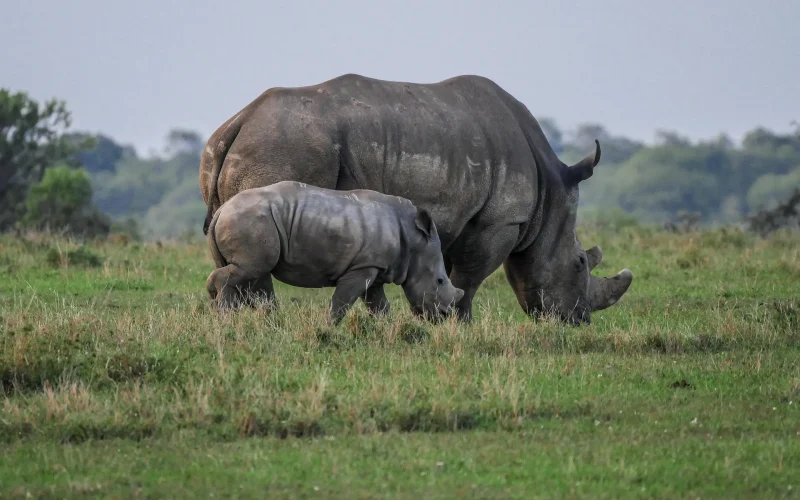
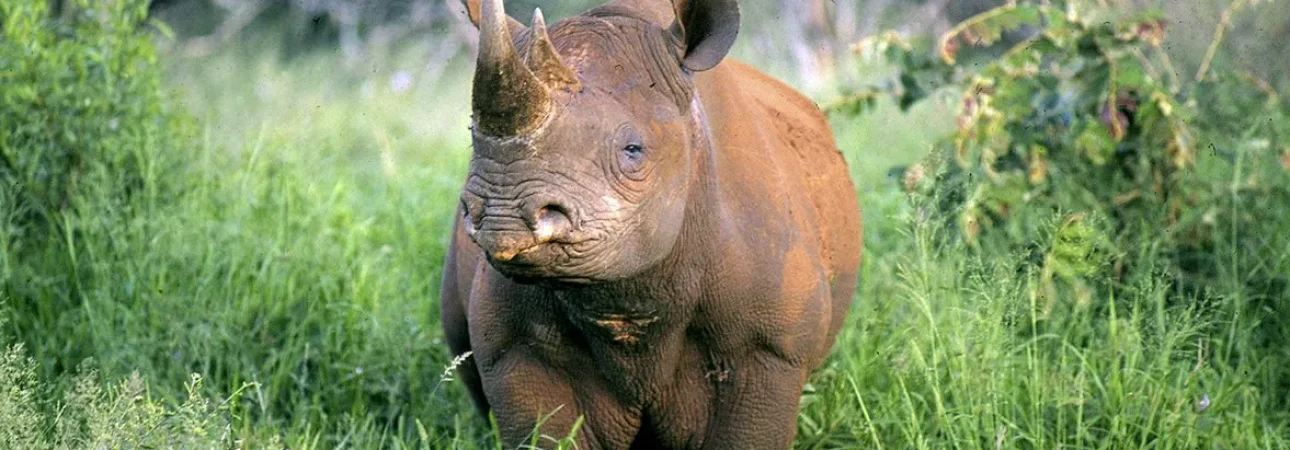
The park is also home to a dedicated rhino sanctuary, which is one of the best places in Kenya to see both black and white rhinos. The combination of water, forest, and plains means you see a high variety of species in a relatively small area.

Key Experiences

  • Watching rhinos in the secure rhino sanctuary
  • Exploring the Tana River and its many smaller tributaries
  • Visiting the grave of Elsa the lioness
  • Bird watching in the riverine forests
  • Watching the sunset over the Nyambeni Hills
Meru-National-Park (1)

Best Time to Visit

The dry seasons from June to October and January to February are the best times for wildlife viewing. During these months, animals stay close to the rivers, and the thinning vegetation makes them easier to spot. The weather is generally sunny and clear.

The green seasons from March to May and November to December bring rain that turns the park lush and vibrant. While the long grass can make spotting animals harder, this is a beautiful time for photography and bird watching. It is also a quieter time with fewer visitors.

Wildlife & Nature

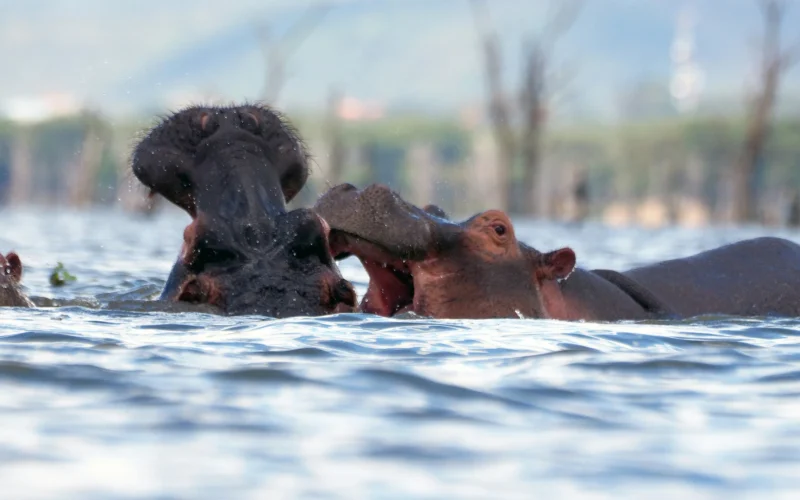
The park is famous for its “Northern Five” species, which include the reticulated giraffe, Grevy’s zebra, and Somali ostrich. Large herds of elephants are common near the water, and lions and leopards are frequently spotted in the woodlands. The rivers are home to many hippos and crocodiles.

Meru is a bird-lover’s paradise with over 400 recorded species. You can see colorful kingfishers and Pel’s fishing owls along the riverbanks. The landscape is dominated by doum palms and baobab trees, giving it a classic African look.

Local Culture Community & Conservation

The park is surrounded by diverse communities including the Meru and Borana people. Conservation efforts here are focused on protecting the rhino sanctuary and maintaining the delicate river ecosystems. By visiting, you contribute directly to the park fees that support these protection measures.

Our guides believe that understanding the balance between the local people and the wildlife is key to appreciating Meru’s survival as a wild space. Engaging respectfully with local staff and guides provides a deeper insight into the region’s heritage.

[destination_map]

Getting There

Most travelers reach Meru National Park by taking a scheduled flight from Nairobi’s Wilson Airport. The flight takes about 45 to 60 minutes and lands at one of the park’s airstrips. From there, a guide will meet you for a short transfer to your lodge.

Alternatively, you can travel by road from Nairobi, which takes about 5 to 6 hours. The drive goes through the highlands of Kenya, offering views of tea and coffee plantations before descending into the drier plains. This is a good option for those who want to see more of the countryside.

All transfers and transport within the park are handled by experienced drivers in 4×4 vehicles. This ensures a comfortable journey regardless of the weather or road conditions.

Signature Experiences & Activities

Rhino Sanctuary Drives

Drive through the fenced sanctuary to see both black and white rhinos at close range.

Guided River Walks

Walk along the banks of the rivers with a guide to spot birds and small mammals.

Sundowners at Elsa’s Kopje

Enjoy a drink on a rocky hill with panoramic views of the entire park.

Game Drives to the Tana River

Follow the park's largest river to see hippos, crocodiles, and elephants.

Birding Excursions

Spend time in the forest patches to find rare and colorful bird species.

Breakfast in the Bush

Enjoy a morning meal set up in a scenic spot under a baobab tree.

  • Big Five
  • Bird Watching
  • Forest Experience
  • Hiking Trails
  • Scenic Landscapes
  • Waterfalls

Where To Stay

Practical Travel Tips

  • Pack neutral-colored clothing for game drives
  • Bring a warm layer for early morning and evening drives
  • Wear comfortable shoes for walking around the camps
  • Use a high-SPF sunscreen and wear a wide-brimmed hat
  • Carry a small amount of Kenyan shillings for tips

Who This Destination Suits

  • Couples looking for a romantic and secluded getaway
  • Experienced safari travelers who want to avoid the crowds
  • Families who enjoy adventurous and educational trips
  • Photographers who want unique landscapes and rare wildlife
  • Bird watchers looking for a high diversity of species

Itinerary Combinations

Frequently Asked Questions

We recommend at least three nights to fully explore the different river systems and the rhino sanctuary.
Yes, many lodges welcome families and the variety of wildlife keeps children engaged.
While Meru has all the Big Five, leopards can be shy, but the rhino sightings are excellent.
info@johnbowtoursandtravel.com
Kenya Cinema Plaza, 3rd Floor Room 3-8. Moi Avenue, Nairobi