Mombasa Kenya

About This Destination

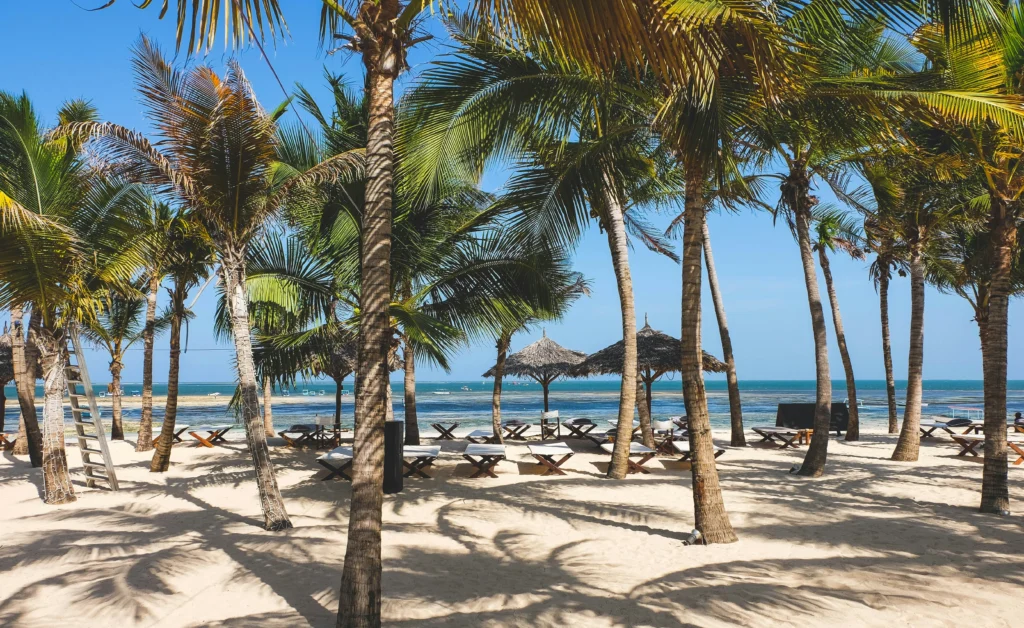
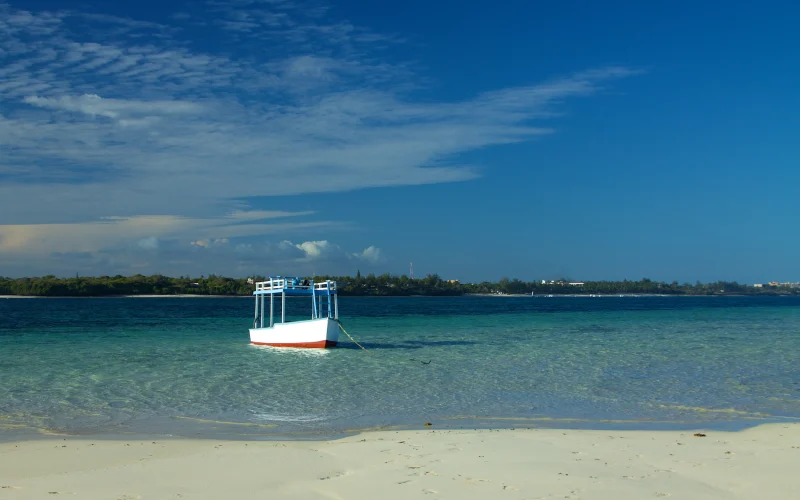
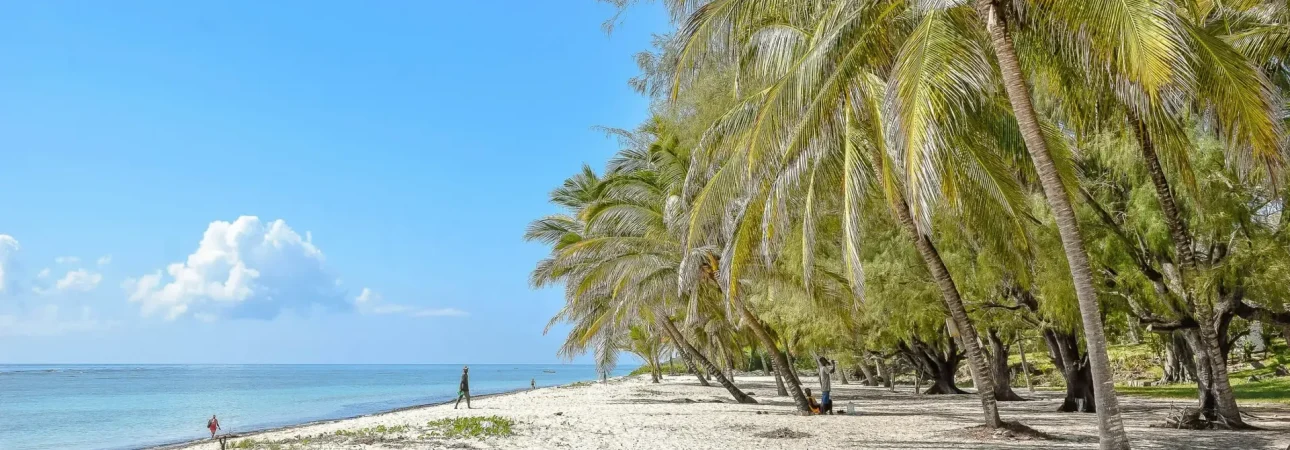
Mombasa is a historic coastal city in Kenya where ancient Swahili culture meets the Indian Ocean. It is a place of white sand beaches, coral reefs, and a long history of trade. The city sits on an island connected to the mainland by bridges and a ferry, creating a unique atmosphere of island life mixed with a busy urban center.

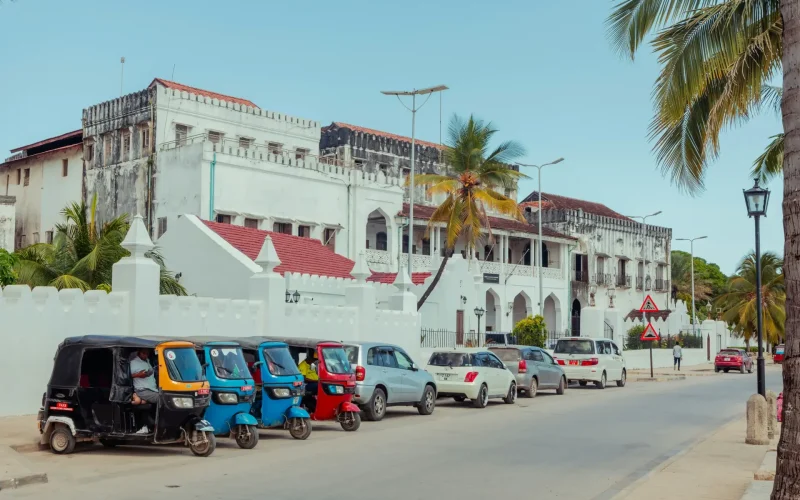
Visitors find a blend of African, Arabic, and European influences in the architecture and food. The pace of life is slower here than in Nairobi, defined by the warmth of the sun and the rhythm of the tides. It is a destination that offers both relaxation on the beach and exploration in its narrow, winding streets.
Why Visit

Mombasa offers a different perspective of Kenya beyond the safari plains. It is the best place to experience Swahili heritage and coastal traditions. Travellers choose this destination for its accessible beaches, marine parks, and the historic Old Town. It provides a great balance for those wanting to combine a beach holiday with cultural discovery.

Our guides say Mombasa is where the soul of the coast lives, offering a deep sense of history that you won’t find in newer resort towns. It is a practical choice for mid-range travellers who want authentic experiences and comfortable stays without the high prices of more secluded private islands.

Key Experiences

  • Walking through the narrow alleys of Old Town
  • Exploring the thick stone walls of Fort Jesus
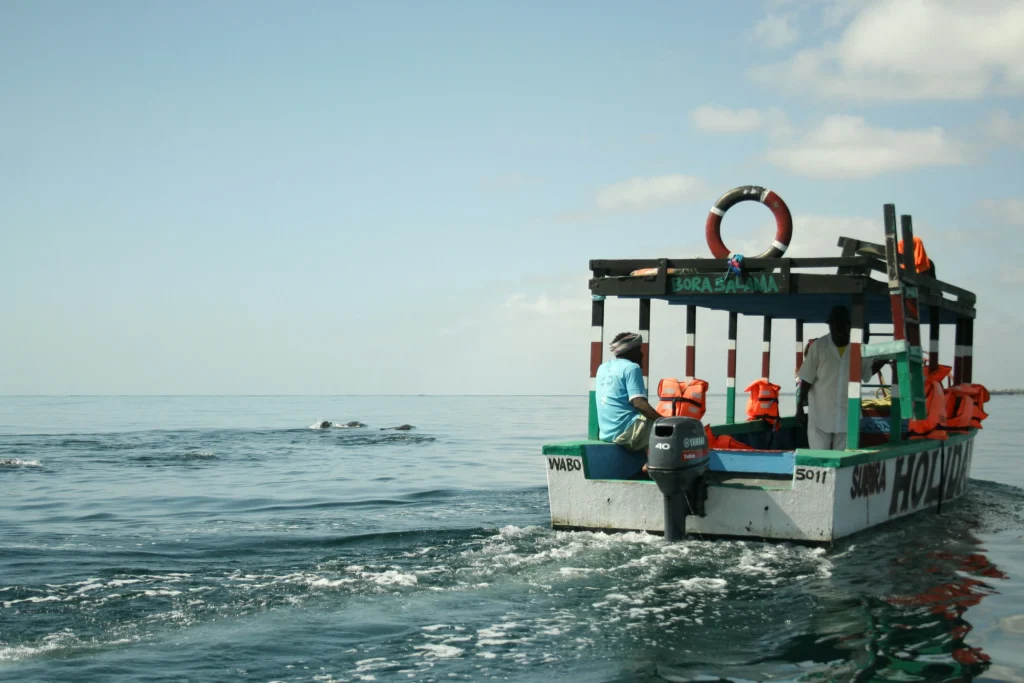
  • Taking a glass-bottom boat to Mombasa Marine Park
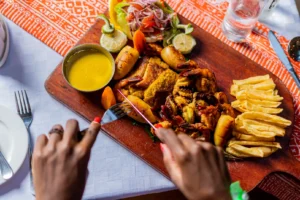
  • Eating fresh seafood at a floating restaurant
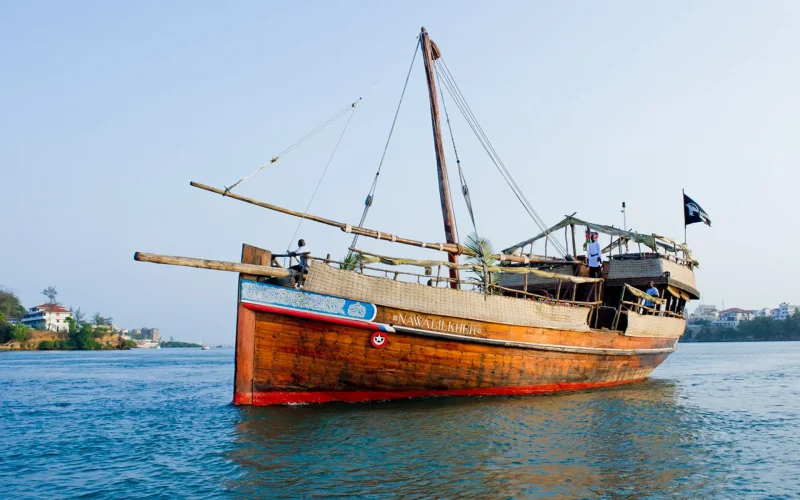
  • Watching traditional dhows sail at sunset
abdullatif-mutisya-EssDMofeuac-unsplash

Best Time to Visit

The best time to visit Mombasa depends on the kind of experience you want. Thanks to its pleasant tropical climate, it remains a rewarding year-round destination, with each season offering its own atmosphere. The dry seasons from June to October and January to February are the most popular for beach activities. The skies are clear and the water is calm, which is ideal for travellers who prioritise swimming and snorkeling.

The green season from March to May and November to early December brings warmer temperatures and occasional rain. While afternoon showers are possible, the landscape becomes lush, and the city is much quieter. A helpful guideline is to match the season to your travel style. Families often appreciate the predictability of the dry season, while guests seeking tranquility prefer the shoulder periods for a more private experience.

Wildlife & Nature

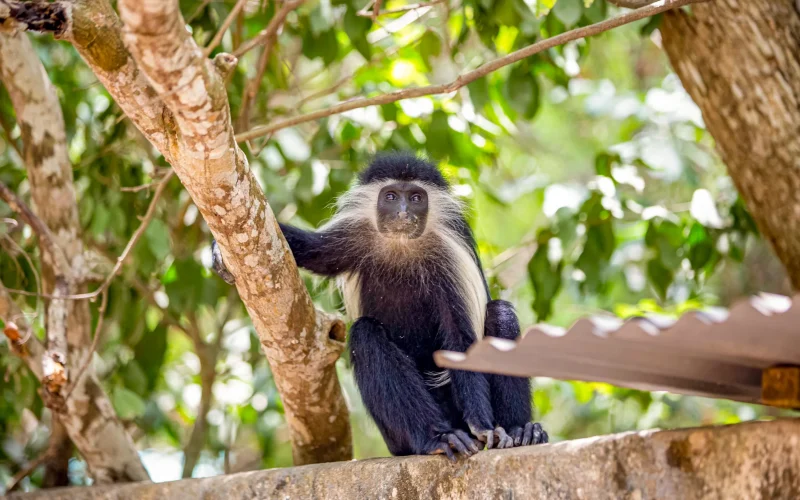
The nature in Mombasa is defined by the Indian Ocean and the fringing coral reefs. In the marine parks, you can see colorful fish, sea turtles, and occasionally dolphins playing in the waves.

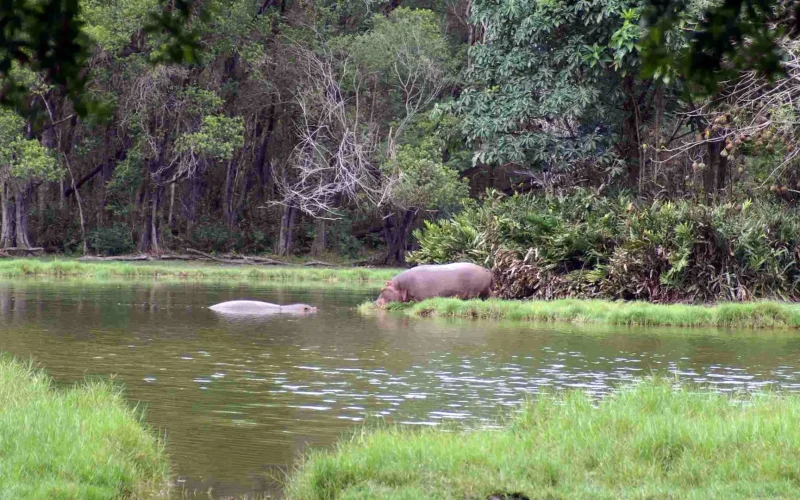
On land, Haller Park shows how a former quarry can be turned into a sanctuary for giraffes, hippos, and tortoises. The coastal vegetation includes ancient baobab trees and thick mangroves that line the creeks.

Local Culture Community & Conservation

The culture of Mombasa is a rich tapestry of Swahili traditions. You will see this in the modest dress of the residents, the call to prayer from mosques, and the shared plates of pilau and biryani. Cultural visits are best done as guided walks through the Old Town, where your presence supports local guides and small shop owners.

Conservation efforts focus heavily on protecting the marine environment and restoring coastal forests. Community groups work to keep beaches clean and protect turtle nesting sites. By visiting managed parks and using local guides, travellers contribute to the upkeep of these protected spaces and the livelihoods of those who protect them.

Getting There

Most international travellers arrive at Moi International Airport, which handles both domestic and international flights. It is a short drive from the airport to the city center or the North Coast hotels. Flights from Nairobi take about one hour and run frequently throughout the day.

The SGR train is a popular and scenic way to reach Mombasa from Nairobi. The journey takes about five to six hours and passes through parts of Tsavo National Park. Once you arrive at the Mombasa Terminus, a pre-arranged road transfer will take you to your hotel.

Road transfers are common for moving between the city and the beaches. If you are staying on the South Coast, you will cross the Likoni Channel using the ferry or the new bypass bridge. These transfers are handled by experienced drivers to ensure a smooth arrival at your resort.

Signature Experiences & Activities

Fort Jesus exploration

Visit this 16th-century Portuguese fortress to see ancient battlements and museum exhibits.

Old Town walking tour

Walk through streets filled with carved wooden doors and the scent of local spices.

Mombasa Marine Park snorkeling

Take a boat out to the reef to see marine life in clear, shallow water.

Traditional dhow cruise

Sail on a wooden boat at sunset to see the city skyline from the water.

Haller Park nature walk

Follow forest trails to see rescued wildlife and learn about land restoration.

Spice market visit

Experience the sights and smells of the busy markets where locals buy fresh produce and tea.

  • Boat Ride
  • Cultural Activities
  • Hiking Trails
  • Marine Activities
  • Scenic Landscapes

Where To Stay

Practical Travel Tips

  • Wear light cotton clothing to stay comfortable in the coastal heat
  • Carry a hat and high-factor sunscreen for protection during boat trips
  • Dress modestly when visiting the Old Town or religious sites
  • Keep some Kenyan shillings for buying snacks or crafts at the markets
  • Drink bottled water rather than tap water to stay healthy

Who This Destination Suits

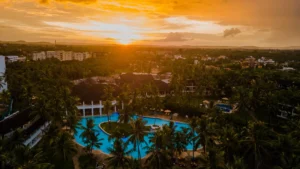
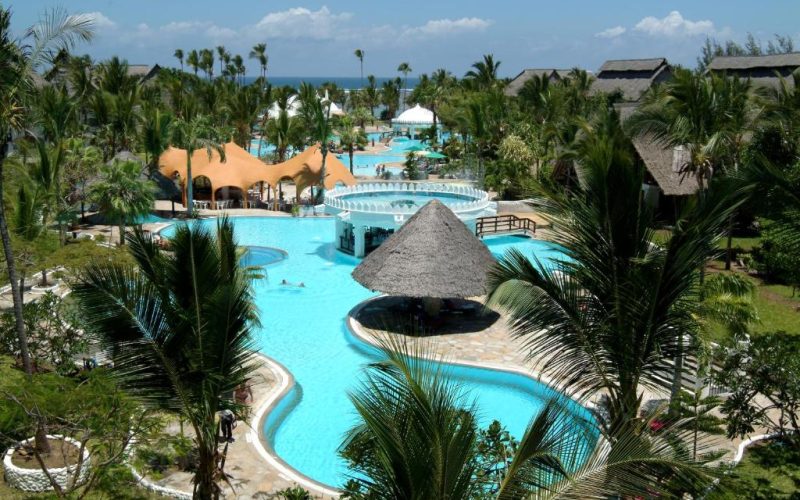
  • Families looking for resorts with swimming pools and kids' activities
  • Couples who enjoy evening walks on the beach and romantic dinners
  • History enthusiasts interested in colonial and Swahili architecture
  • Food lovers wanting to try authentic coastal Kenyan cuisine
  • Travellers wanting a beach break after a dusty safari in the interior

Itinerary Combinations

Frequently Asked Questions

Three to four days is usually enough to see the main historic sites and enjoy some time on the beach.
Yes, but you must factor in time for the ferry crossing or use the Dongo Kundu bypass road.
The Indian Ocean stays warm year-round, usually ranging between 25 and 29 degrees Celsius.
info@johnbowtoursandtravel.com
Kenya Cinema Plaza, 3rd Floor Room 3-8. Moi Avenue, Nairobi