
Mount Kenya National Park

About This Destination

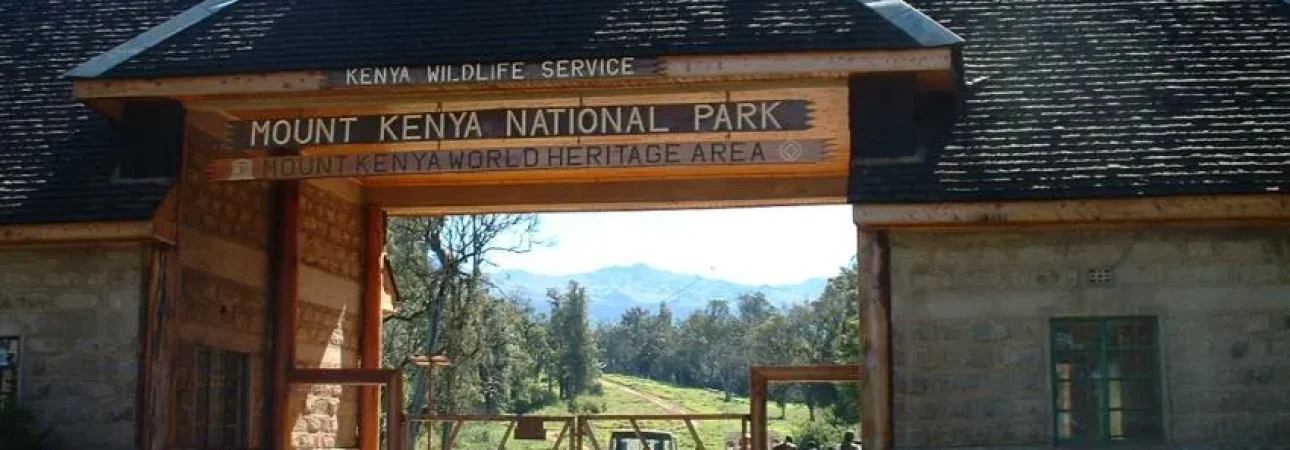
Mount Kenya National Park centers on Africa’s second-highest peak. The landscape is a mix of rugged glaciers, moorlands, and dense mountain forests. This destination is best known for its high-altitude scenery and the physical challenge of reaching its jagged summits. The atmosphere is cool and quiet, offering a different feel from the open savannahs of lower parks.

The terrain changes as you climb, moving from thick bamboo and rainforests at the base to rocky slopes and alpine meadows higher up. This park suits active travelers, hikers, and those who enjoy dramatic landscapes. Travelers choose this destination for its unique mountain air and the opportunity to experience a diverse ecosystem within a single park.

Why Visit

Mount Kenya offers a distinctive mountain wilderness experience that contrasts with Kenya’s traditional safari parks. Its core appeal lies in the dramatic alpine scenery and the variety of vegetation zones found on its slopes. Unlike the flat plains elsewhere, here you find waterfalls, high-altitude lakes, and jagged peaks that define the horizon.

Travelers love the park for its sense of achievement and the quiet trails that see fewer crowds than other major attractions. It provides a peaceful environment for those who want to connect with nature through physical activity. Our guides say this park is the perfect choice for anyone wanting to see the “other side” of Kenya, where the focus is on the scale of the mountains rather than just the animals.

Key Experiences

  • Hiking to Point Lenana for sunrise views over the jagged peaks.
  • Walking through dense bamboo forests and afro-alpine moorlands.
  • Fishing for trout in the clear, cold mountain lakes.
  • Birdwatching in the lower mountain forests for rare highland species.
  • Observing unique flora like the giant lobelias and groundsels.
mt (1)

Best Time to Visit

The best time to visit Mount Kenya National Park is during the dry seasons from June to October and January to February. During these months, the trails are firmer, and the skies are usually clear, providing the best views of the peaks. Mornings are often bright and crisp, though temperatures drop significantly at night and at higher altitudes.

The green seasons from March to May and November to December bring more rain and mist. While the mountain looks lush and the wildflowers are in bloom, clouds often hide the summits, and trails can become slippery. Travelers seeking quiet may enjoy these months, but hikers should prepare for wet conditions and limited visibility.

Wildlife & Nature

The park’s wildlife is shaped by its high altitude and varied forest zones. In the lower reaches, you can find elephants and buffaloes moving through the thick rainforest and bamboo belts. The park is also home to more elusive species like the bongo antelope and the black-fronted duiker, which prefer the dense cover of the mountain slopes.

As you move higher into the moorlands, the wildlife shifts to smaller mammals such as the rock hyrax and various high-altitude birds. The nature here is defined by unique plants such as the giant senecio that have adapted to the cold. Our experts note that while big game is present, the park is most valued for its rare forest species and stunning botanical diversity.

Local Culture Community & Conservation

The communities living around the base of Mount Kenya have a deep spiritual and cultural connection to the mountain. Local guides and porters play a vital role in the park’s tourism, sharing their knowledge of the terrain and heritage with visitors. Cultural interactions are hosted by local groups and focus on understanding the mountain’s significance to the people who live in its shadow.

Conservation efforts focus on protecting the vital water towers that the mountain provides for the rest of Kenya. Park fees help maintain forest corridors and prevent illegal logging and poaching. Our guides emphasize that visiting the park supports the local economy and helps preserve a unique ecosystem critical to the country’s biodiversity.

[destination_map]

Getting There

Mount Kenya is located about 175 kilometers from Nairobi. The drive takes approximately 3 to 4 hours, depending on which park gate you are heading toward. The roads leading to the main gates are generally in good condition, passing through scenic highland farming areas before reaching the forest boundary.

For those who prefer to fly, scheduled flights are available from Nairobi to Nanyuki or other nearby airstrips. These flights take about 45 minutes and offer a quick way to reach the region. Once you land, a short road transfer arranged by our team will take you directly to your lodge or the start of your trek.

The journey to the park is simple and allows you to see the changing landscape of the central highlands. Whether arriving by road or air, our experienced guides handle all transfers to ensure a smooth transition into the mountain environment. This accessibility makes it an easy destination to combine with other parks in the northern or central circuits.

Signature Experiences & Activities

Peak Trekking

The trek to Point Lenana is the most popular route for hikers seeking a non-technical climb to the summit.

Forest Walks

Guided walks through the lower forest zones allow for a slow exploration of the diverse plants and birdlife.

Mountain Lakes

Visiting high-altitude tarns like Lake Michaelson offers a peaceful setting surrounded by vertical rock walls.

Birdwatching

The mountain's various elevations host specialized bird species that are rarely seen in the lower plains.

Wildlife Viewing

Watching for elephants and buffaloes at forest salt licks provides a different wildlife experience than an open-savannah drive.

Alpine Photography

The dramatic light and unique rock formations at high altitudes offer exceptional opportunities for landscape photography.

  • Bird Watching
  • Cultural Activities
  • Forest Experience
  • Hiking Trails
  • Scenic Landscapes
  • Waterfalls

Where To Stay

Practical Travel Tips

  • Pack warm layers for the evenings as temperatures drop significantly.
  • Wear sturdy waterproof hiking boots for the mountain trails.
  • Bring a light rain jacket even during the dry season for sudden mountain showers.
  • Allow time for acclimatization if you plan to trek to the higher peaks.
  • Carry some Kenyan shillings for tipping your guides and porters.

Who This Destination Suits

  • Active travelers who enjoy physical challenges and high-altitude hiking.
  • Photographers looking for dramatic mountain scenery and unique alpine plants.
  • Couples seeking a quiet and cooler retreat away from the heat of the plains.
  • Birdwatchers interested in specialized highland and forest species.
  • Travelers who want to combine a traditional safari with a mountain experience.

Itinerary Combinations

Frequently Asked Questions

Most hikers spend 3 to 5 nights to reach the summit, while leisure visitors often stay for 2 nights.
The trek to Point Lenana is a challenging walk that requires a good level of fitness but no technical climbing skills.
The weather changes quickly and can be very cold at night, especially at higher altitudes.
info@johnbowtoursandtravel.com
Kenya Cinema Plaza, 3rd Floor Room 3-8. Moi Avenue, Nairobi