Serengeti National Park

About This Destination

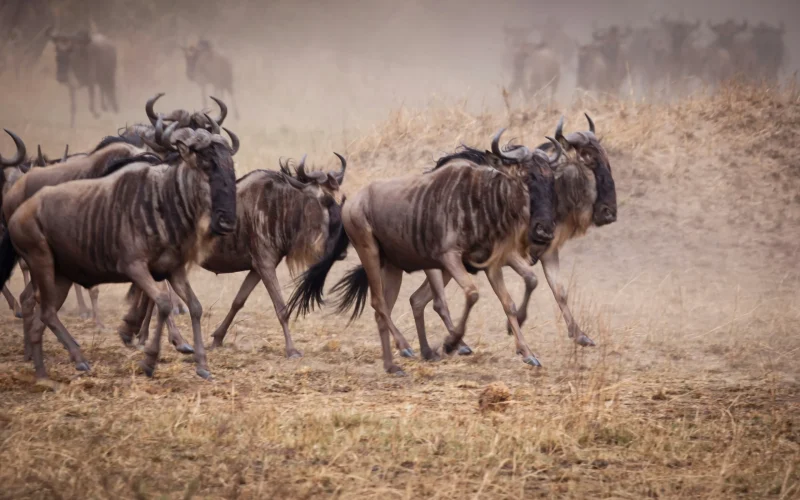
The Serengeti National Park is the soul of the African safari experience. It is defined by vast golden plains that seem to stretch forever under a massive sky. This park is famous for the Great Migration, where millions of wildebeest and zebras move across the landscape in a rhythmic cycle of life.

The terrain is mostly open grassland and savannah, punctuated by granite rock outcrops called kopjes. You will find acacia woodlands in the north and central regions, while rivers like the Grumeti and Mara provide vital water and dramatic crossing points. It is a land of immense scale and ancient energy.

This destination suits wildlife photographers, families looking for a classic safari, and couples seeking a romantic getaway. It is also perfect for first-time visitors who want to see a high density of big cats and plains game in a setting that feels truly wild.
Why Visit

Travellers choose the Serengeti for its unmatched scale and the sheer volume of wildlife. Unlike smaller parks, the Serengeti offers a sense of endless space where the horizon is rarely broken by anything other than a lone acacia tree or a pride of lions. It provides a front-row seat to the most significant wildlife movement on earth.

The park offers a diverse range of experiences from quiet sunrise balloon flights to intense predator sightings. You can witness the dramatic river crossings in the north or the calving season on the southern plains. The accessibility of high-quality wildlife viewing makes it a reliable choice for any safari.

Our guides often say that the Serengeti is the one place that never fails to surprise even the most seasoned travellers. The landscape changes so much between regions that it feels like visiting three different parks in one.

Key Experiences

  • Witnessing the Great Migration herds across the open plains
  • Spotting the Big Five among the kopjes and woodlands
  • Early morning hot air balloon safaris over the savannah
  • Watching dramatic river crossings at the Mara or Grumeti rivers
  • Exploring the Seronera Valley for high predator density
ryan-louderback-tlU1GCDZ7Po-unsplash (1)

Best Time to Visit

The dry season from June to October is the most popular time for game viewing. During these months, the grass is short and animals gather around permanent water sources like rivers and waterholes. This period offers the best chance to see the famous river crossings in the northern Serengeti.

The green season from November to May brings lush landscapes and vibrant birdlife. The southern Serengeti becomes the focus from January to March during the calving season when thousands of wildebeest calves are born. While there may be afternoon rain, the dust is low and the scenery is exceptionally beautiful for photography

Wildlife & Nature

The Serengeti is a predator stronghold known for its large populations of lions, leopards, and cheetahs. These big cats thrive on the open plains where they hunt the massive herds of wildebeest, zebra, and gazelle. You will often see lions resting on the granite kopjes, which serve as elevated lookout points.

Elephants and buffalo are common sights in the woodlands and near riverbeds. The park is also home to over 500 bird species, ranging from the large ostrich to colorful rollers. The ecosystem changes from the short-grass plains in the south to the hilly, wooded northern section.

Our experts note that the Serengeti offers some of the most consistent cat sightings in Africa. The open nature of the terrain means you can often watch hunts unfold from start to finish.

Local Culture Community & Conservation

The Serengeti is part of a larger ecosystem that includes the Maasai people. Cultural visits to nearby villages allow guests to learn about traditional pastoralist life and how local communities coexist with wildlife. These visits are hosted by the community and provide direct financial support to local schools and projects.

Conservation is the heartbeat of the park, with many initiatives focused on anti-poaching and habitat protection. By visiting the park, you help support the management of these protected lands. Programs also focus on reducing human-wildlife conflict in the areas bordering the park.

Our guides believe that understanding the human side of the Serengeti makes the wildlife experience much deeper. Respectful engagement with the local people is a highlight for many visitors.

Getting There

The most common way to reach the Serengeti is by flying from Arusha or Kilimanjaro International Airport. Scheduled light aircraft flights land at various airstrips within the park such as Seronera, Kogatende, or Grumeti. This is a quick and scenic option that takes between 45 minutes to 2 hours depending on your destination.

Alternatively, you can travel by road from Arusha in a 4×4 safari vehicle. This journey usually takes 7 to 8 hours and often includes a stop or an overnight stay at Lake Manyara or the Ngorongoro Crater. It is a great way to see the changing Tanzanian countryside and other famous landmarks.

All transfers and domestic flights are managed by the Johnbow team to ensure a smooth transition from the airport to your camp. Whether you fly or drive, a professional guide will be waiting to meet you and start your safari adventure.

Signature Experiences & Activities

Great Migration Tracking

Follow the movement of over a million wildebeest as they trek across the ecosystem in search of fresh grass.

Hot Air Balloon Safari

Float silently above the plains at dawn to see the wildlife and landscape from a unique perspective.

Game Drives

Explore different regions of the park in open vehicles to find lions, leopards, and diverse plains game.

Walking Safaris

Join an armed ranger for a guided walk in specific wilderness areas to learn about tracks and plants.

Photographic Safaris

Spend time at the kopjes or riverbanks with a guide who understands the best light and angles.

Bush Dining

Enjoy a breakfast or dinner set up in a remote location under the shade of an acacia tree.

  • Big Five
  • Bird Watching
  • Cultural Activities
  • Great Migration
  • Hiking Trails
  • Hot-Air Balloon

Where To Stay

Practical Travel Tips

  • Pack light layers as mornings are cool but afternoons can be very hot
  • Bring neutral-colored clothing like khaki or beige to blend into the environment
  • Carry a pair of binoculars to see distant wildlife and bird details
  • Use a high-SPF sunscreen and wear a wide-brimmed hat for sun protection
  • Keep your camera gear in a dust-proof bag during game drives

Who This Destination Suits

  • Families wanting an educational and exciting wildlife holiday
  • Couples looking for a remote and romantic safari setting
  • Photographers seeking clear light and iconic African landscapes
  • First-time safari-goers who want to see the Big Five easily
  • Bird watchers interested in seeing diverse savannah and woodland species

Itinerary Combinations

Frequently Asked Questions

We recommend at least three to four nights to explore different areas and increase your chances of seeing the migration.
The herds are always in the Serengeti ecosystem, but their location changes depending on the month and rainfall.
Yes, many lodges are family-friendly and offer specialized activities for children, though some have minimum age limits.
info@johnbowtoursandtravel.com
Kenya Cinema Plaza, 3rd Floor Room 3-8. Moi Avenue, Nairobi