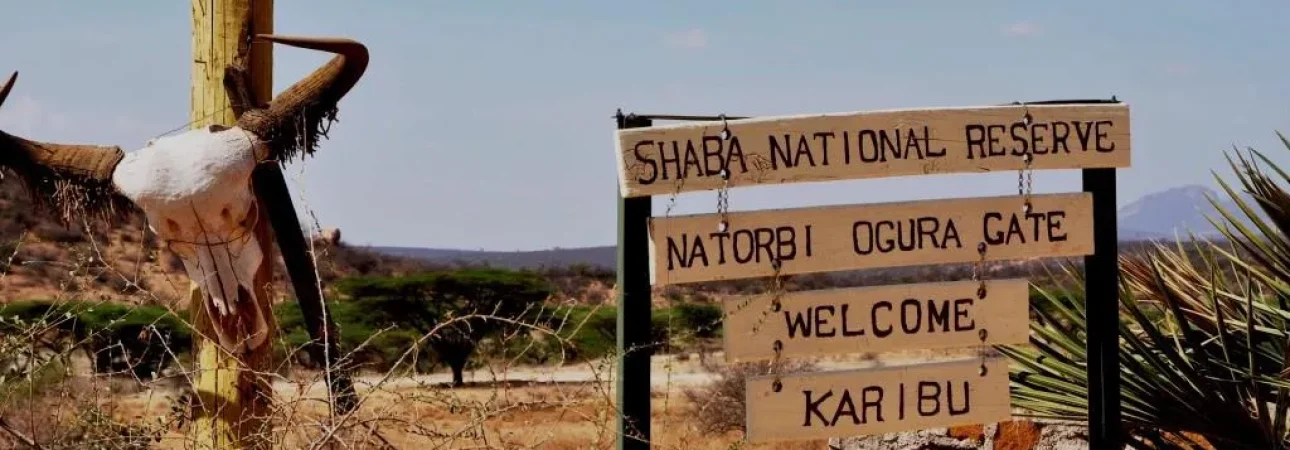
Shaba National Reserve

About This Destination

Shaba National Reserve is a rugged wilderness in northern Kenya defined by the Ewaso Nyiro River and dramatic volcanic landscapes. It is part of the Samburu ecosystem but offers a more secluded and private atmosphere than its neighbors. The terrain is a striking mix of doum palms, riverine forests, and volcanic cones that rise from the arid plains.

This reserve is best known for its unique “Special Five” wildlife species and its connection to the life of Joy Adamson. The environment feels vast and quiet, making it ideal for those who appreciate scenic beauty alongside wildlife. It is a destination that balances raw northern landscapes with a sense of peace and exclusivity.
Why Visit

Shaba stands out for its dramatic scenery and its relative stillness. While other parks can feel busy, Shaba offers a sense of solitude that is hard to find elsewhere. The landscape is a visual highlight, featuring the green ribbon of the Ewaso Nyiro River set against the red earth and black volcanic rock.

Travellers choose Shaba to see rare animals found nowhere else in southern Kenya, such as the Grevy’s zebra and reticulated giraffe. The reserve also holds a unique place in history as the site where Joy Adamson lived and worked. Our local experts often describe Shaba as the “quiet sibling” of the north, perfect for those who want a wilder, more personal connection to the landscape.

Key Experiences

  • Spotting the Northern Special Five wildlife species.
  • Sunset views over the volcanic Shaba Hill.
  • Birdwatching along the banks of the Ewaso Nyiro River.
  • Visiting the site where Joy Adamson established her camp.
  • Enjoying private sundowners in the rugged wilderness.
shaba (2)

Best Time to Visit

The dry seasons, from June to October and from January to February, are the best times for wildlife viewing. During these months, animals are more visible as they gather near the river and permanent springs. The weather is generally clear, making it easier to navigate the reserve’s tracks.

The green season, from March to May and from November to December, transforms the desert into a lush landscape. This period is excellent for birdwatching and photography, as the dust clears and the skies become dramatic. While sightings can be more challenging due to thicker vegetation, the reserve is exceptionally quiet and beautiful.

Wildlife & Nature

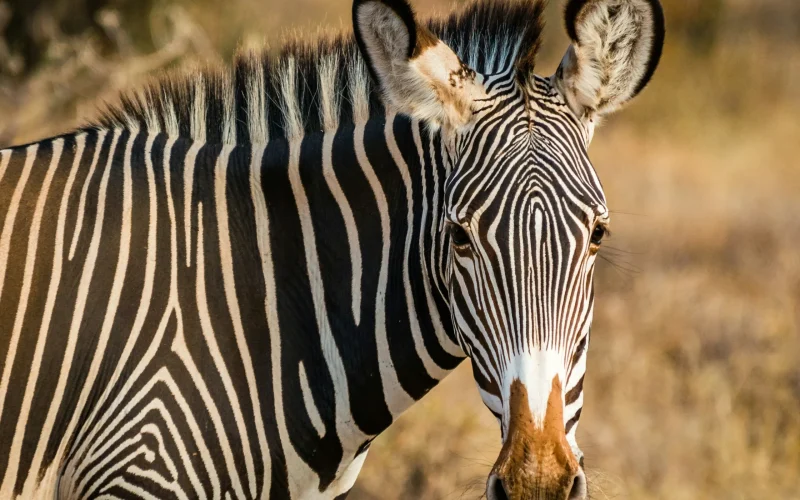
Shaba is home to the Special Five: the Grevy’s zebra, Somali ostrich, reticulated giraffe, besia oryx, and gerenuk. These species have adapted to the arid conditions of northern Kenya and are the primary draw for wildlife enthusiasts. The river serves as the lifeblood of the reserve, attracting large herds of elephants and providing a habitat for crocodiles and hippos.

Predators like lions and leopards are present but can be more elusive than in the Mara, often found resting in the shade of doum palms or rocky outcrops. The birdlife is diverse, with over 450 species recorded. Our guides note that wildlife encounters here feel more earned and authentic because of the vast, open terrain.

Local Culture Community & Conservation

The local Samburu community are the traditional custodians of this land. Cultural interactions are hosted respectfully, often involving visits to nearby villages where guests can learn about the community’s nomadic heritage and beadwork. These visits are managed to ensure they provide fair support to the local families.

Conservation in Shaba focuses on protecting the fragile arid ecosystem and the rare species that live here. By visiting the reserve, travellers contribute directly to the management of the park and the protection of wildlife corridors. Our team believes that engaging with the local people is the best way to understand the harmony between the northern communities and their environment.

Getting There

The most common way to reach Shaba is by road from Nairobi, which takes about 5 to 6 hours. The journey takes you through the central highlands and offers views of Mount Kenya before descending into the warmer northern plains. The roads are generally in good condition, and the drive provides a great introduction to the changing Kenyan landscape.

Alternatively, guests can take a scheduled flight from Nairobi’s Wilson Airport to the Shaba or Samburu airstrips. These flights take approximately 45 to 60 minutes and offer a scenic view of the rugged terrain from above. Upon arrival, a safari vehicle will meet you for a short transfer to your lodge or camp.

For those looking for a different pace, some travellers combine a road trip with a flight back to Nairobi. This allows you to experience the landscapes on the way up and enjoy a quick return journey. All transfers are managed by experienced drivers who know the northern routes well.

Signature Experiences & Activities

Game drives in search of the Special Five

Guided drives focus on finding the unique northern species across the volcanic plains and riverine forests.

Birding excursions along the Ewaso Nyiro

The riverbanks offer sightings of rare birds like the William’s lark among the riverine vegetation.

Guided nature walks

Walking with local guides allows you to notice the smaller details of the arid ecosystem and tracks in the sand.

Visits to the Joy Adamson monument

A trip to the site of "Sarara" offers a glimpse into the history of conservation and the life of the famous author.

Landscape photography at Shaba Hill

The dramatic volcanic formations and changing light provide exceptional opportunities for capturing the northern frontier.

Riverside sundowners

Ending the day with a drink by the river allows you to watch the landscape change color as the sun sets.

  • Big Five
  • Bird Watching
  • Cultural Activities
  • Forest Experience
  • Hiking Trails
  • Scenic Landscapes

Where To Stay

Practical Travel Tips

  • Wear neutral-colored clothing to blend into the dry environment.
  • Carry a light jacket as early mornings and late evenings can be cool.
  • Use high-factor sunscreen and a hat to protect against the northern sun.
  • Bring a good pair of binoculars for spotting wildlife across the wide plains.
  • Keep some Kenyan shillings for small purchases at community craft markets.

Who This Destination Suits

  • Travellers seeking a quiet and less-crowded safari experience.
  • Photographers interested in dramatic volcanic landscapes and unique light.
  • Wildlife enthusiasts looking for species not found in southern Kenya.
  • Couples wanting a peaceful and romantic wilderness retreat.
  • Repeat visitors to Kenya looking for a different ecosystem to explore.

Itinerary Combinations

Frequently Asked Questions

Three nights are usually enough to explore the reserve and see the key wildlife.
Yes, the lodges are family-friendly, though the terrain is best suited for older children who enjoy longer drives.
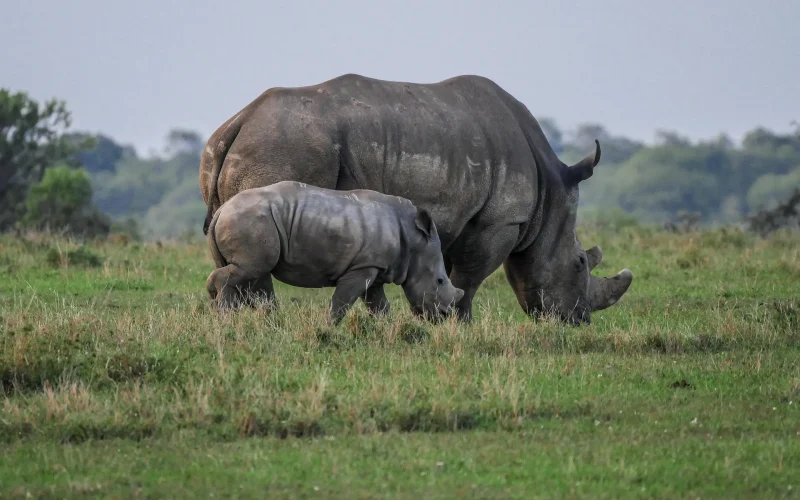
You can see lions, leopards, and elephants, but rhinos and buffaloes are rarely found here.
info@johnbowtoursandtravel.com
Kenya Cinema Plaza, 3rd Floor Room 3-8. Moi Avenue, Nairobi