Taita Hills Wildlife Sanctuary

About This Destination

Taita Hills Wildlife Sanctuary is a private conservancy located in southeast Kenya, forming a vital corridor between Tsavo West and Tsavo East National Parks. It is best known for its unique landscape of grassy plains and riverine forests, dominated by the dramatic backdrop of the Taita Hills. The sanctuary provides a sanctuary for a high density of elephants and diverse birdlife.

The atmosphere is peaceful and intimate. The terrain consists of open savannahs punctuated by rocky outcrops and acacia woodlands, offering clear sightlines for wildlife viewing. The elevation provides a slightly cooler climate compared to the surrounding lowlands, making the air feel crisp and refreshing.

This destination is ideal for families, photographers, and those seeking a quieter safari experience away from the busier national parks. It is particularly popular with travellers looking for a convenient stopover while journeying between Nairobi and the coast.

Why Visit

The sanctuary offers a distinct character defined by its status as a private conservancy, allowing for exclusive experiences like night game drives and guided bush walks that are not permitted in national parks. Its primary appeal lies in the concentration of wildlife around permanent water sources, ensuring reliable sightings even during drier months.

Travellers value the sanctuary for its accessibility and the seamless blend of comfort and nature. The scenery is striking, with golden plains framed by ancient hills, providing a stunning setting for evening sundowners. The relatively small size of the sanctuary means less time spent driving between sightings, which is a major benefit for families with children.

Our guides say this sanctuary is one of Kenya’s most reliable spots for seeing large elephant herds at very close range.

Key Experiences

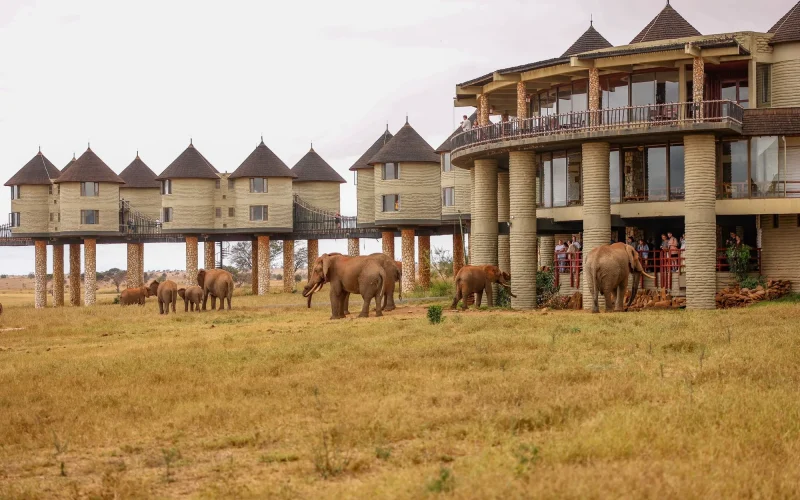
  • Watching elephants drink from the underground tunnels at Salt Lick Safari Lodge
  • Taking a night game drive to spot elusive nocturnal species like bushbabies and owls
  • Viewing the vast Tsavo plains from the elevated Taita Hills
  • Enjoying a bush breakfast in the heart of the savannah
  • Bird watching in the riverine forests where over 300 species reside
taita (3)

Best Time to Visit

The dry seasons from June to October and January to February are excellent for wildlife viewing as animals gather at the waterholes. During these months, the grass is short, making it easier to spot predators and smaller mammals.

The green season from March to May and November to December transforms the landscape into a lush, vibrant green. This period is perfect for photographers and bird enthusiasts, as migratory birds arrive and many animals give birth to their young. The sanctuary is quieter during these months, offering a more private experience.

Wildlife & Nature

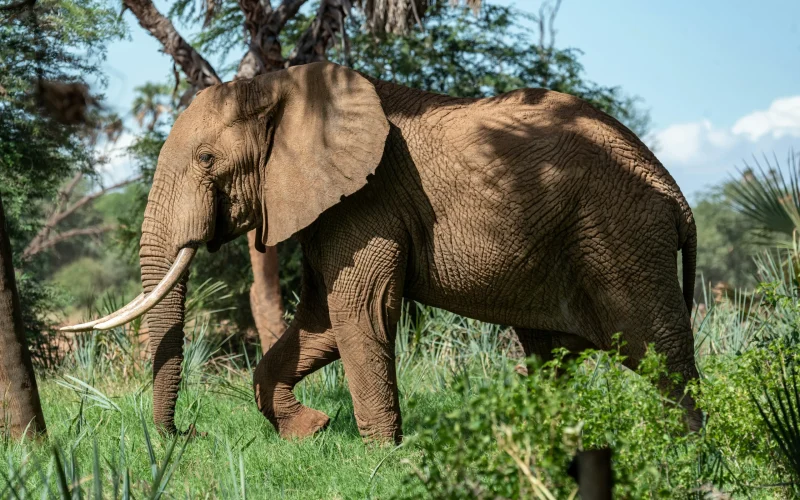
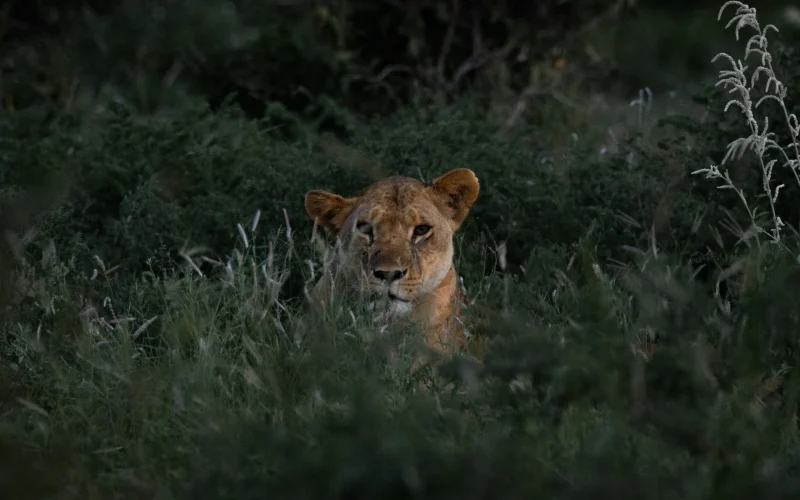
The sanctuary is famous for its “red elephants,” which take on a distinctive hue from the local volcanic soil. You will frequently see large herds moving between the acacia trees and the salt licks. Aside from elephants, the plains are home to lions, cheetahs, and leopards, though the cats often require a patient eye to find in the thickets.

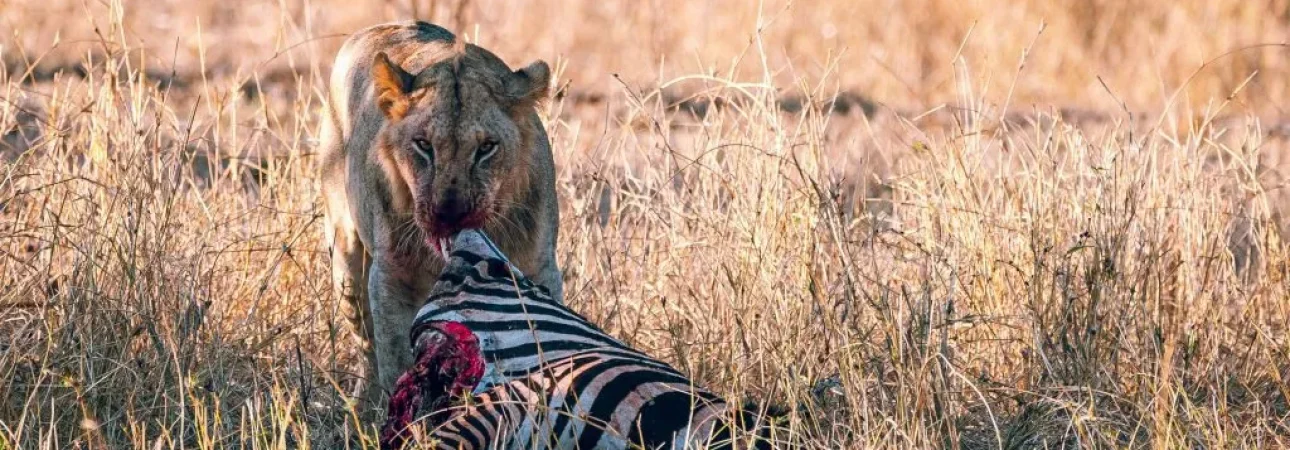
Plains game such as buffalo, impala, gazelle, and zebras are common throughout the year. The diverse habitats, ranging from marshlands to rocky hills, support a wide variety of life. In the evenings, you might spot smaller predators like jackals and hyenas beginning their hunt.

Our experts note that the sanctuary acts as a critical bridge for wildlife moving through the Tsavo ecosystem, ensuring a dynamic and ever-changing variety of animals.

Local Culture Community & Conservation

The sanctuary operates with a strong focus on conservation and community partnership. It serves as a vital wildlife corridor, and its existence helps reduce human-wildlife conflict in the surrounding areas. Conservation efforts are funded through park fees, supporting the protection of the local elephant population and their habitat.

Cultural interactions are respectful and involve visits to local Taita communities. These experiences allow guests to learn about traditional heritage, farming practices, and the history of the Taita people in a way that directly benefits the local economy.

[destination_map]

Getting There

The sanctuary is easily accessible by road from Nairobi or Mombasa. The drive from Nairobi takes approximately 5 to 6 hours, while the journey from Mombasa is shorter, taking about 3 to 4 hours. The roads are generally in good condition, making it a comfortable trip for those preferring a land transfer.

Alternatively, guests can take a scheduled flight from Wilson Airport in Nairobi or from the coast to the local airstrip. The flight is approximately 50 to 60 minutes and offers incredible aerial views of the Tsavo landscape. Transfers from the airstrip to the lodges are quick and handled by safari vehicles.

The SGR train is another popular option. Travellers can take the train to Voi Station, followed by a short road transfer of about 45 minutes to the sanctuary. This route is scenic and provides a modern, efficient way to reach the region.

Signature Experiences & Activities

Night Game Drives

Explore the sanctuary after dark to see a different world of wildlife, including leopards and smaller nocturnal cats.

Underground Tunnel Viewing

Observe wildlife from a unique perspective at the waterhole via a secure underground tunnel.

Guided Nature Walks

Walk through the savannah with an expert ranger to learn about the smaller details of the ecosystem like tracks and plants.

Bush Sundowners

End your afternoon drive with drinks and snacks at a scenic viewpoint as the sun sets over the hills.

Birding Excursions

Discover the rich avian life including the rare Taita Thrush and various raptors with a specialized guide.

Visit to Lumo Community Wildlife Sanctuary

Explore the neighbouring community-run sanctuary which shares an unfenced border with Taita Hills.

  • Big Five
  • Bird Watching
  • Cultural Activities
  • Hiking Trails
  • Scenic Landscapes

Where To Stay

Practical Travel Tips

  • Pack light layers as mornings can be cool and afternoons quite warm
  • Bring binoculars to make the most of the birdwatching and distant sightings
  • Carry a small amount of Kenyan shillings for tips and community visits
  • Wear neutral-coloured clothing like khaki or beige to blend into the environment
  • Use a high-SPF sunscreen and wear a hat during daytime game drives

Who This Destination Suits

  • Families looking for reliable wildlife sightings and child-friendly lodges
  • Travellers wanting a shorter safari as a break from a beach holiday
  • Photographers interested in elephants and dramatic hill landscapes
  • Bird enthusiasts looking for endemic and migratory species
  • Couples seeking a peaceful and intimate safari atmosphere

Itinerary Combinations

Frequently Asked Questions

Two nights are usually enough to experience the main highlights and enjoy several game drives.
Walking is only permitted when accompanied by a professional armed ranger on a designated nature walk.
You can see four of the Big Five, as rhinos are not present in this specific sanctuary.
info@johnbowtoursandtravel.com
Kenya Cinema Plaza, 3rd Floor Room 3-8. Moi Avenue, Nairobi