Uganda

About This Destination

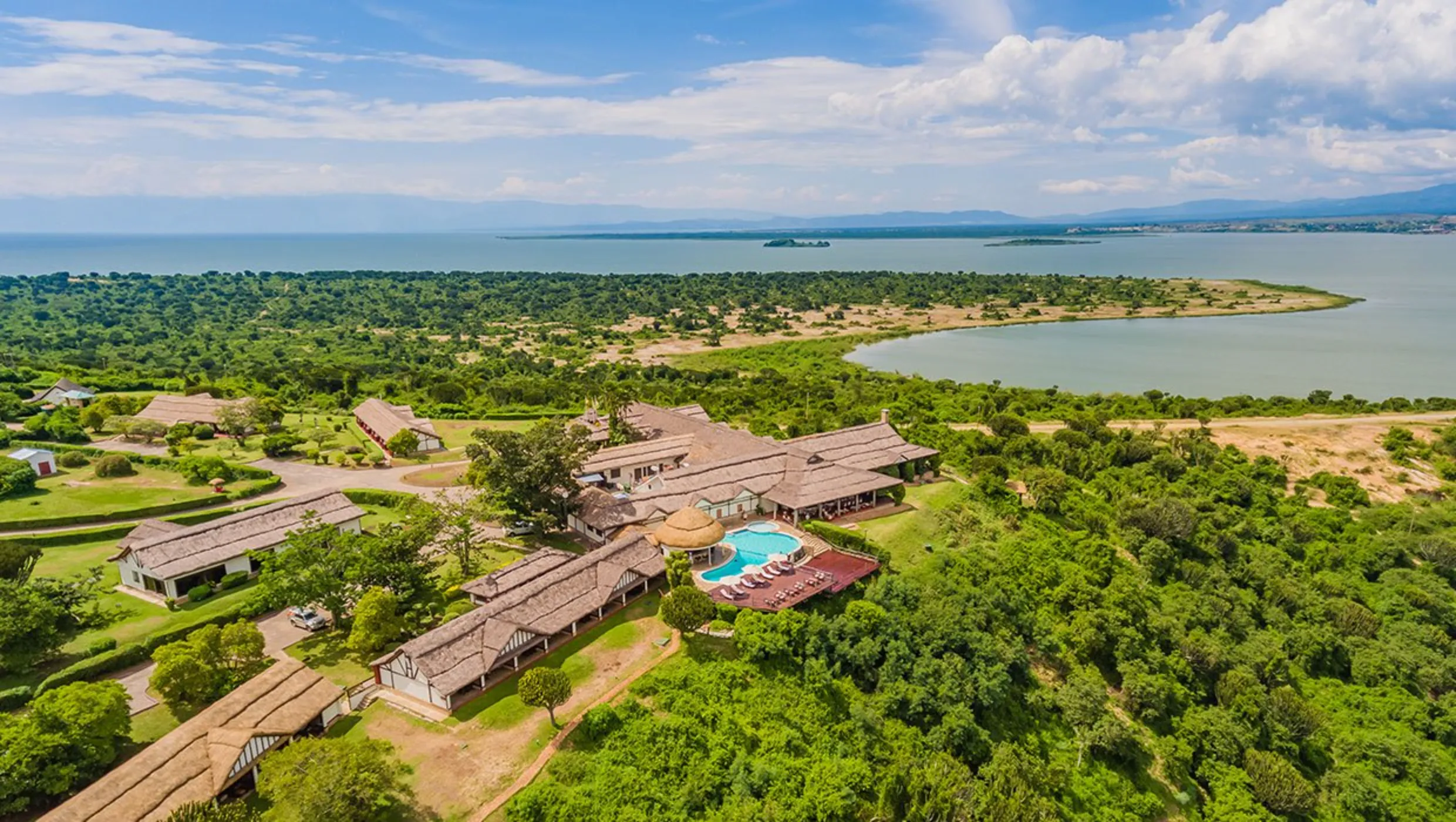
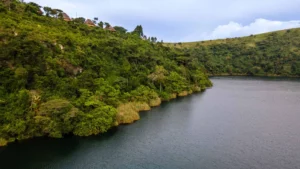
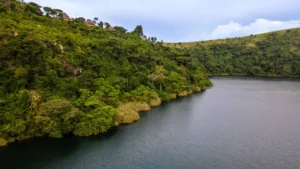
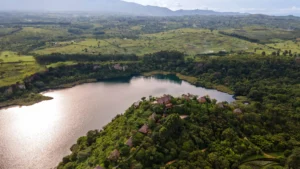
Uganda is defined by its remarkable geographical diversity, ranging from the snow-capped Rwenzori Mountains to the vast expanse of Lake Victoria. It is a land of dense rainforests, rolling savannahs, and the winding Nile River. The atmosphere is one of vibrant energy and deep natural quiet, where the lush greenery of the tropics meets the open landscapes of East Africa.

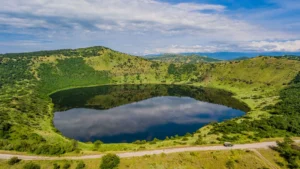
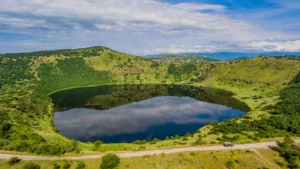
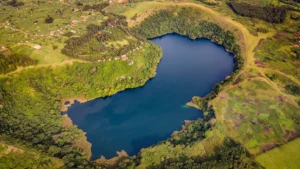
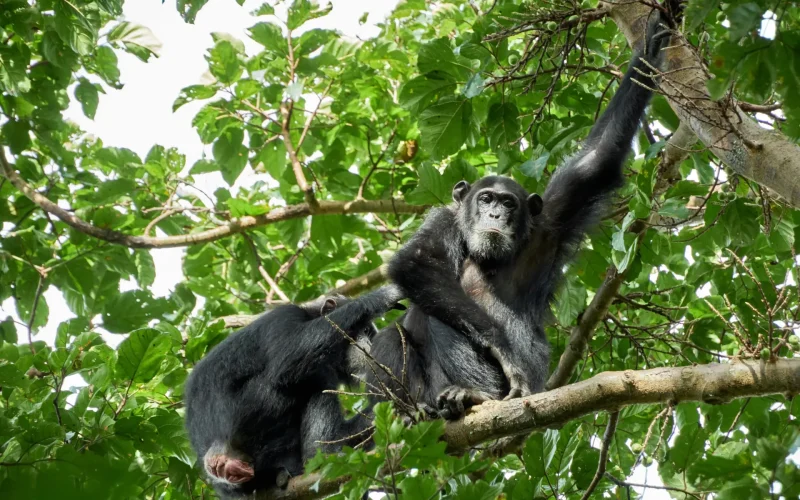
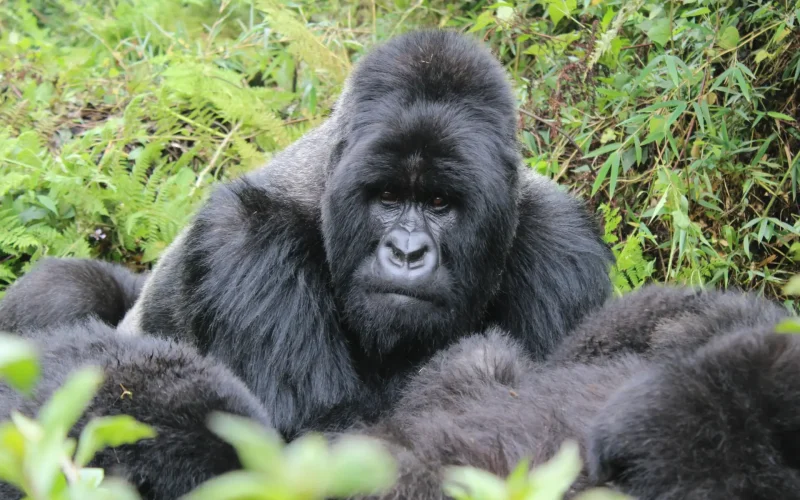
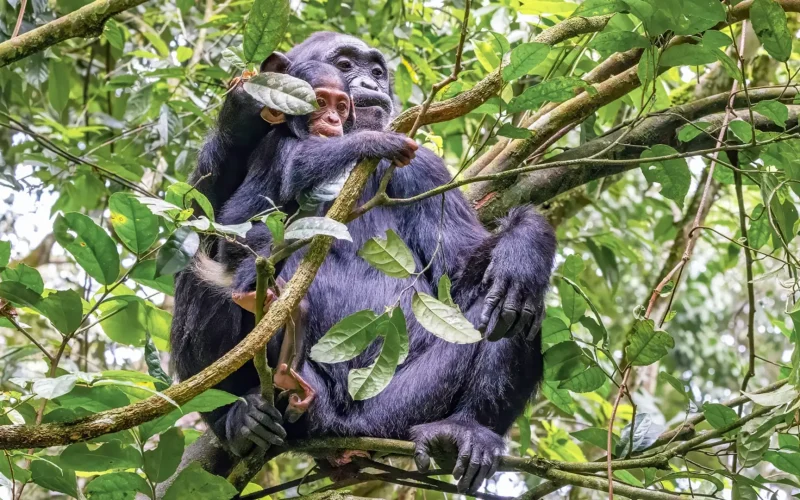
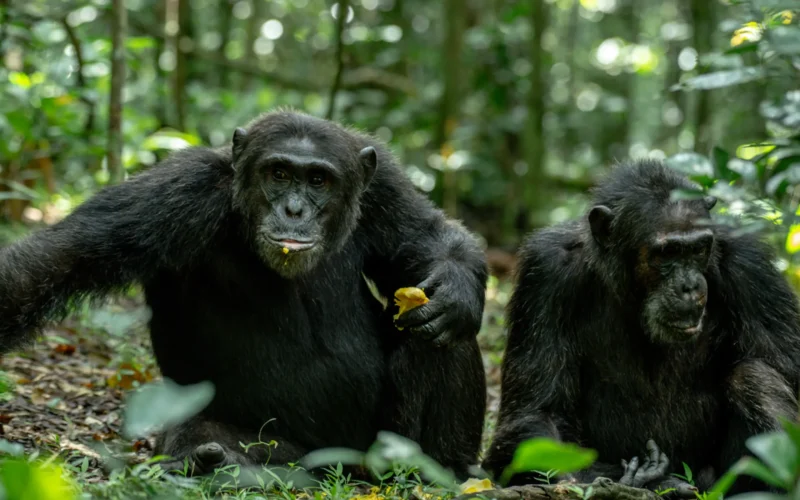
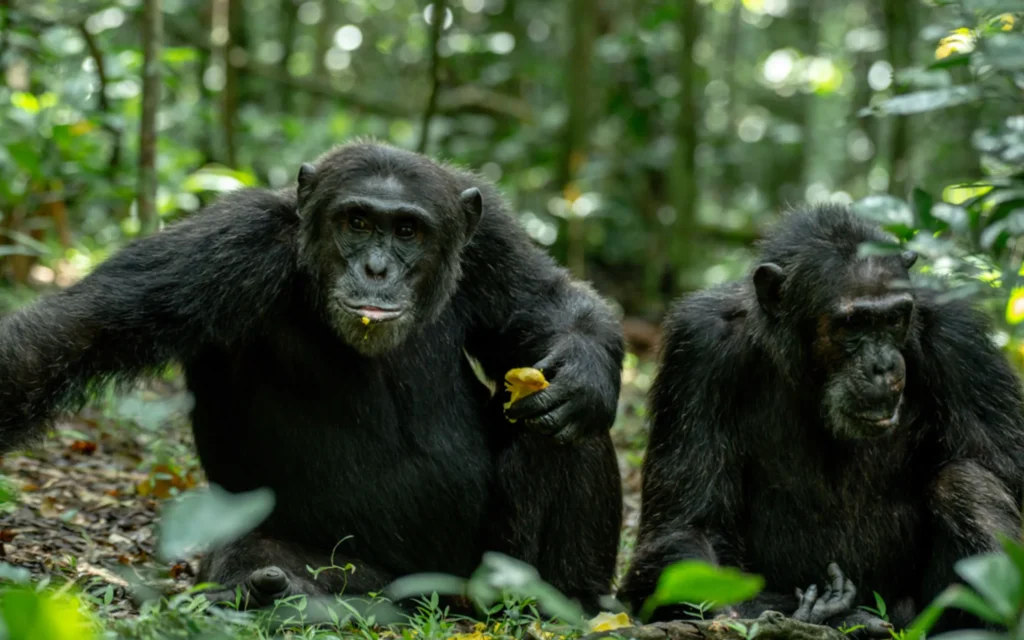
The country is best known as a sanctuary for endangered mountain gorillas and chimpanzees. Beyond its famous primates, it offers a rich variety of birdlife and classic safari wildlife. The terrain varies from high-altitude mist forests to lowland plains and crater lakes, providing a visual experience that is grounded and constantly changing.

This destination suits travellers who appreciate variety and a slower, more immersive pace. It appeals to adventure seekers, primate enthusiasts, and those looking for a safari experience that feels lush and temperate.
Why Visit

Uganda offers a distinct character that blends forest trekking with traditional savannah game drives. Unlike the vast, dry plains found elsewhere in East Africa, Uganda is exceptionally green and water-rich. This creates a unique safari mood where you can track primates in the morning and view elephants or lions by a river in the afternoon.

Travellers are drawn to the intimate nature of the encounters here. The ability to stand a few meters from a mountain gorilla family or watch chimpanzees in the wild provides a deep emotional connection to nature. The landscapes are equally rewarding, featuring the powerful Murchison Falls and the serene beauty of the southwestern highlands.


Our guides often describe Uganda as the “Green Heart of Africa” because of its incredible fertility and the warmth of its people. It is a place where nature feels very close and the travel experience is consistently rewarding for those who seek authenticity.
Key Experiences

  • Gorilla trekking in Bwindi Impenetrable Forest
  • Chimpanzee tracking in Kibale Forest
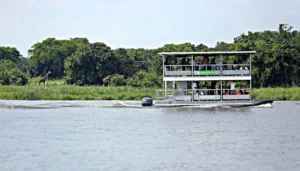
  • Boat safaris on the Kazinga Channel in Queen Elizabeth National Park
  • Viewing the powerful Murchison Falls on the Nile
  • Birdwatching for the rare Shoebill Stork in the wetlands
Uganda Destinations

Best Time to Visit

The best time to visit Uganda depends on your priorities. Because much of the country is covered in rainforest, it is a year-round destination, but the dry seasons offer the easiest trekking conditions. These periods run from June to August and December to February. During these months, trails are firmer and wildlife is easier to spot around water sources.

The green seasons, from March to May and September to November, bring more rain, which makes the landscapes incredibly vibrant. While trekking can be more challenging due to mud, these months are excellent for birdwatching as migratory species arrive. Mid-range travellers often find better value and more availability at popular lodges during these quieter periods.

Matching your visit to your style is helpful. If you prefer comfortable walking conditions, stick to the dry months. If you are a photographer looking for dramatic light and lush backgrounds, the shoulder and green seasons are ideal. Uganda’s equatorial climate ensures that temperatures remain pleasant regardless of the time of year.

Wildlife & Nature

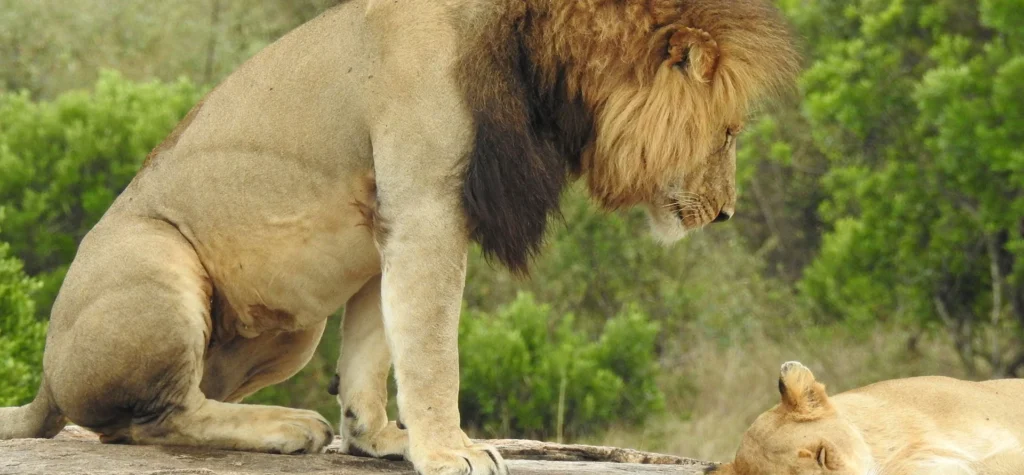
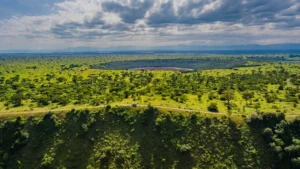
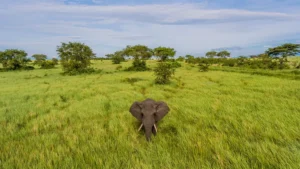
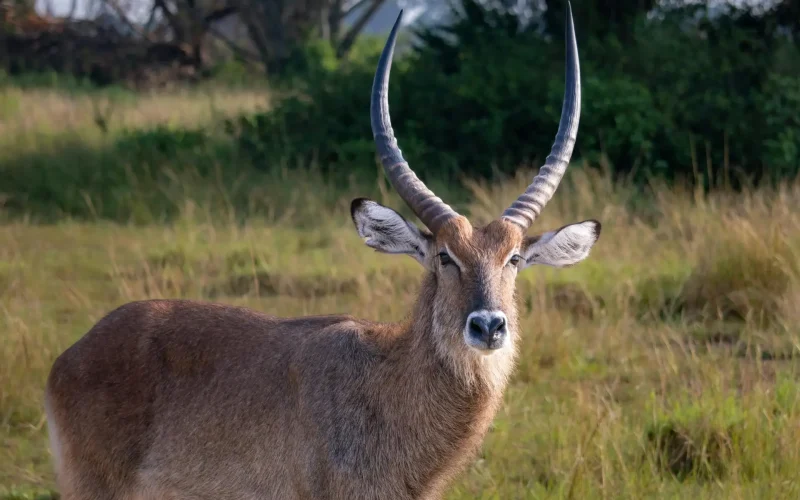
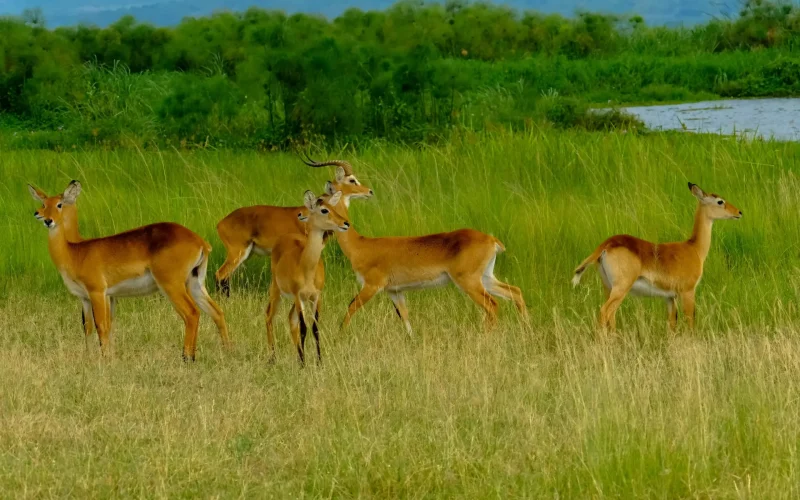
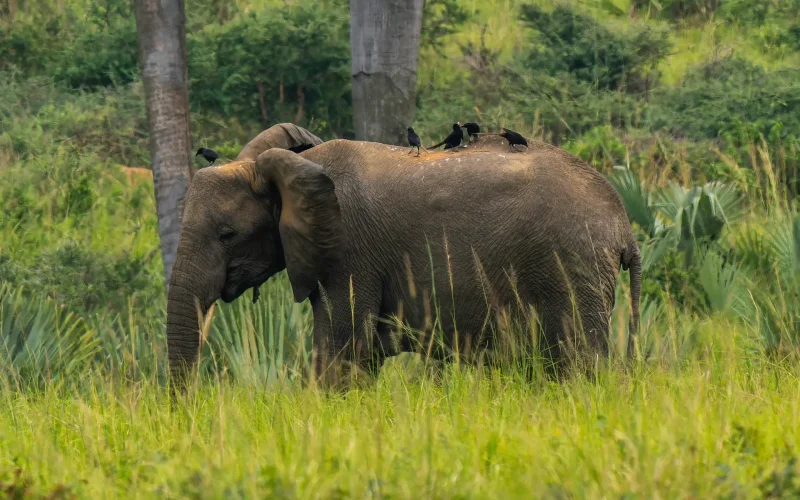
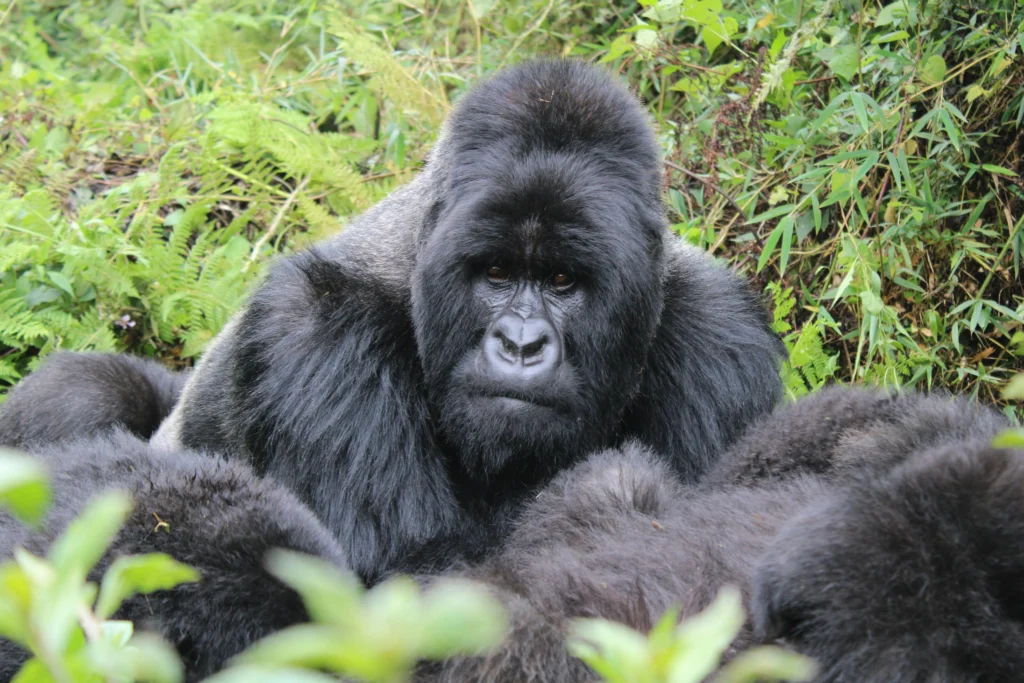
Uganda’s wildlife is defined by its primate diversity and its unique “tree-climbing” lions. In the dense forests of the southwest, mountain gorillas live in family groups among ancient ferns and giant trees. In the savannah parks like Queen Elizabeth and Murchison Falls, you will find large herds of elephants, buffalo, and Uganda kob.

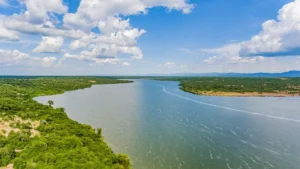
The water systems are central to the wildlife experience. The Nile and various lakes support huge populations of hippos and crocodiles. Birdlife is a major highlight, with over 1,000 species recorded, including the prehistoric-looking Shoebill. Nature here is tactile, from the humidity of the jungle to the cool breezes of the high-altitude craters.

One expert insight from our team is that the variety of habitats means you are never looking at the same thing for long. You move quickly from thick forest to open water and then to golden grass, making every day feel like a new discovery.

Local Culture Community & Conservation

Uganda’s culture is deeply connected to its diverse kingdoms and agricultural traditions. Cultural encounters are often hosted by local communities, such as the Batwa people, who share their historical knowledge of the forest. These visits are managed respectfully to ensure that the heritage is preserved and the community benefits directly from tourism.

Conservation is focused on protecting critical habitats for endangered species. Gorilla and chimpanzee trekking fees contribute significantly to the protection of these primates and the surrounding forests. By visiting these areas, travellers help fund rangers and community projects that reduce human-wildlife conflict.

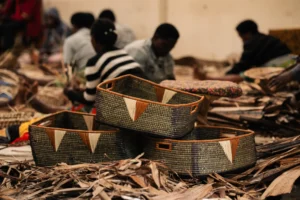
Our guides believe that the best way to experience Ugandan culture is through gentle observation and conversation. Taking the time to visit a local market or a community-run coffee farm provides a balanced view of life in this fertile region.

Getting There

Most international travellers arrive at Entebbe International Airport, which is located on a peninsula in Lake Victoria. This airport is well-connected to major hubs in Africa, Europe, and the Middle East. From Entebbe, it is a short drive to the capital, Kampala, or a quick transfer to a nearby hotel if you arrive late at night.

Many guests use domestic scheduled flights to reach the national parks. These small aircraft fly from Entebbe to airstrips near Bwindi, Queen Elizabeth, and Murchison Falls. These flights are scenic and save many hours of driving. The Johnbow team arranges these connections and ensures a guide is waiting for you at the landing strip.

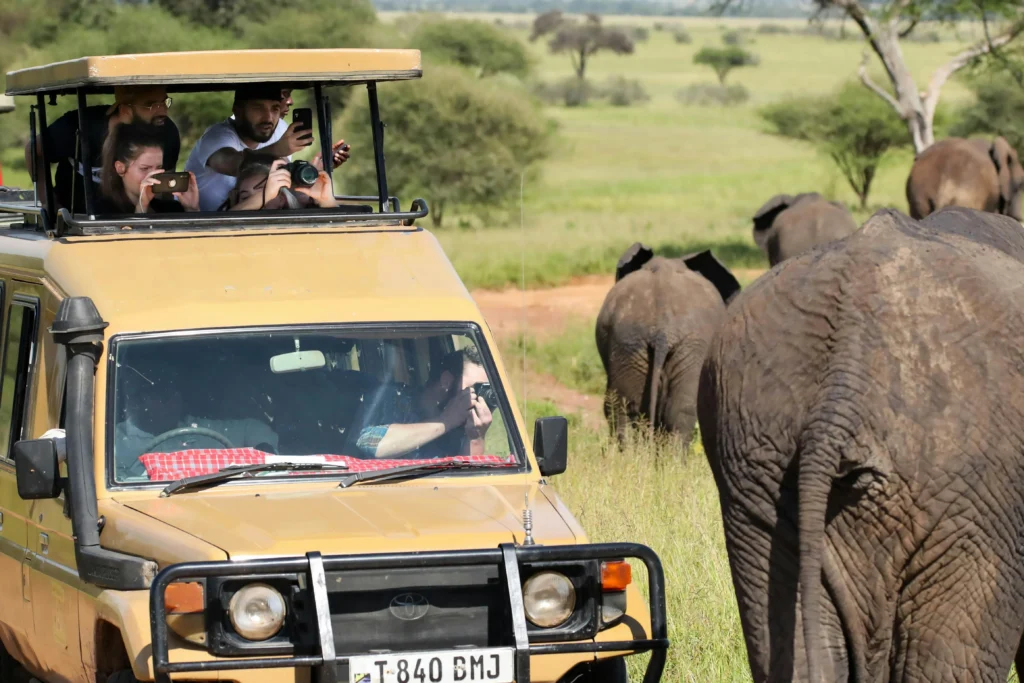
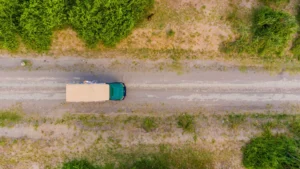
Road transfers are also a popular way to see the country. While distances can be long, the drives through the countryside offer views of tea plantations, local villages, and rolling hills. These journeys are conducted in 4×4 vehicles with experienced driver-guides who know the terrain well and can share information about the sights along the way.

Signature Experiences & Activities

Gorilla Trekking in Bwindi

Walking through thick vines and mist to spend an hour with mountain gorillas in their natural habitat.

Chimpanzee Tracking in Kibale

Following the vocal calls of chimpanzees through the forest canopy to observe their social interactions.

Launch Trips on the Nile

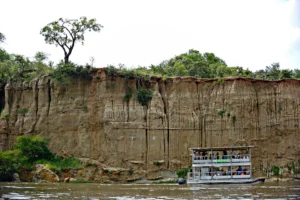
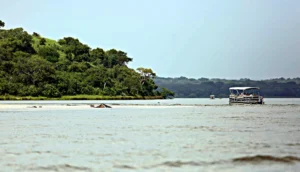
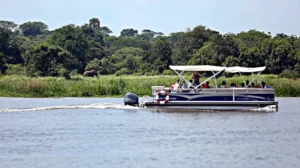
Taking a boat to the base of Murchison Falls to see water squeeze through a narrow gorge.

Tree-Climbing Lion Searches

Exploring the Ishasha sector of Queen Elizabeth National Park to find lions resting in large fig trees.

Canoeing on Lake Bunyonyi

Gliding across the deep waters of a lake surrounded by terraced hills and 29 small islands.

Walking Safaris in Lake Mburo

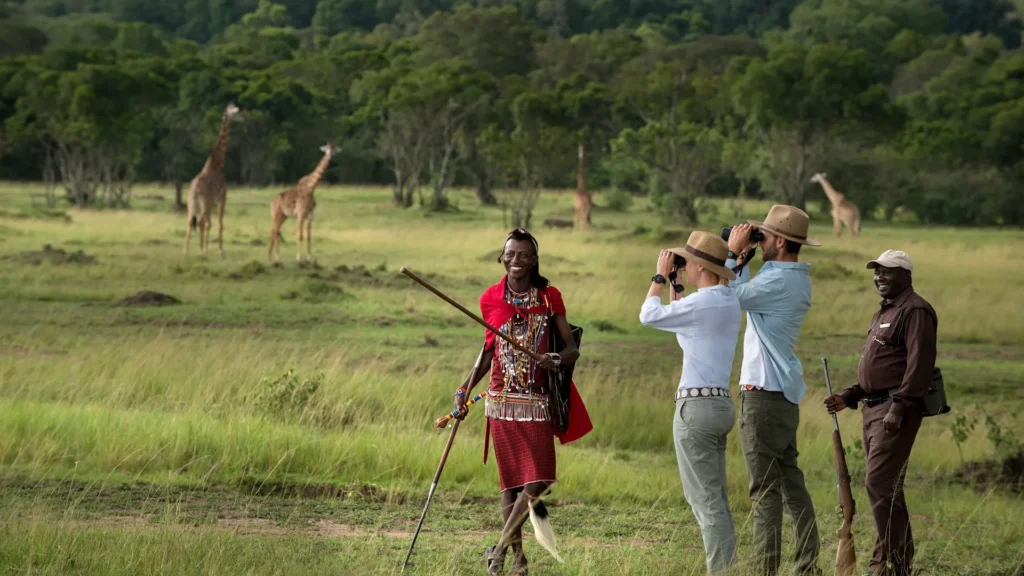
Exploring the park on foot with a ranger to get closer to zebras and impalas without the noise of a vehicle.

  • Big Five
  • Bird Watching
  • Boat Ride
  • Cultural Activities
  • Forest Experience
  • Hiking Trails
  • Marine Activities
  • Scenic Landscapes
  • Waterfalls

Where To Stay

Practical Travel Tips

  • Pack a good pair of waterproof hiking boots for forest trekking
  • Carry a lightweight rain jacket even during the dry season
  • Wear long trousers and socks to tuck them into to avoid forest insects
  • Bring enough local currency for small tips and village market purchases
  • Prepare for early morning starts as most primate treks begin at dawn

Who This Destination Suits

  • Primate lovers who want to see gorillas and chimpanzees in the wild
  • Active travellers who enjoy hiking and forest walks
  • Birdwatchers looking for rare and diverse species
  • Photographers who prefer lush, green landscapes and varied lighting
  • Couples seeking a quiet and intimate safari experience

Itinerary Combinations

Frequently Asked Questions

The terrain varies from gentle slopes to steep, thick forest paths, so a moderate level of fitness is recommended.
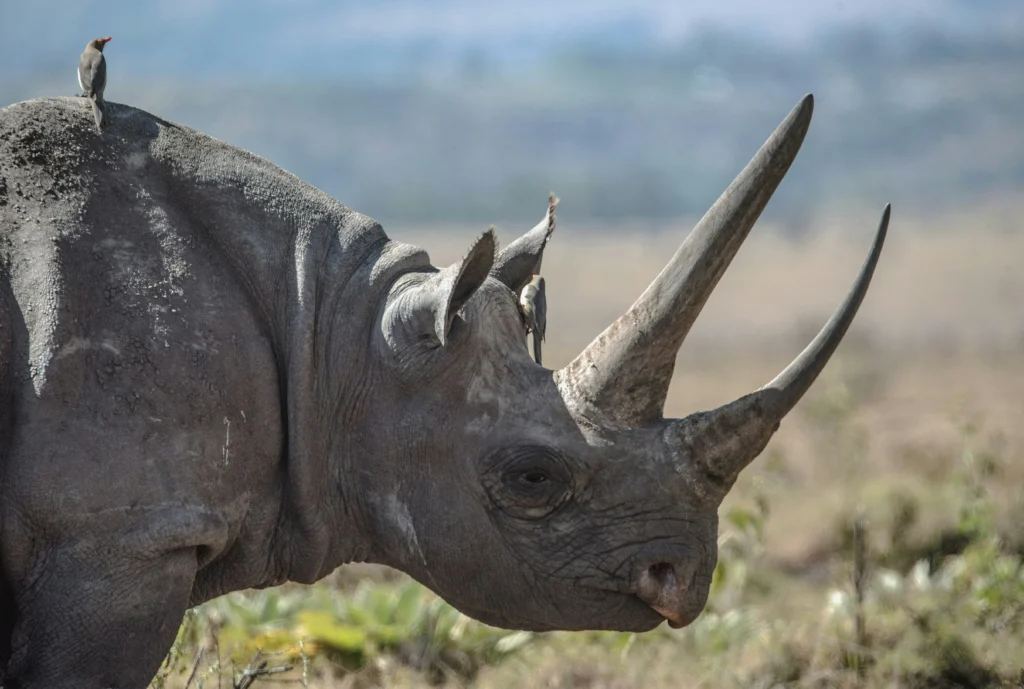
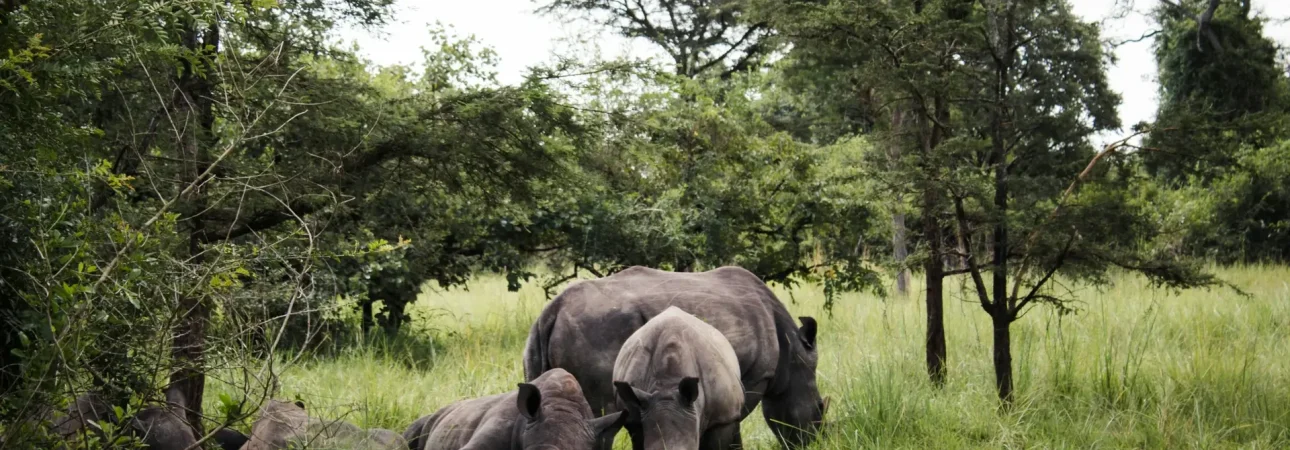
While Uganda has elephants, lions, leopards, and buffalo, rhinos are only found in the Ziwa Rhino Sanctuary.
It is best to use bottled or filtered water provided by your lodge for drinking and brushing teeth.
info@johnbowtoursandtravel.com
Kenya Cinema Plaza, 3rd Floor Room 3-8. Moi Avenue, Nairobi