Arusha National Park

TanzaniaNorthern Tanzania Circuit
Explore Tanzania Safaris

About This Destination

Arusha National Park is a versatile destination known for its dramatic landscapes and ease of access from Arusha and Moshi. It covers a relatively small area but contains three distinct zones: the lush forests of Mount Meru, the serene Momella Lakes, and the volcanic Ngurdoto Crater. The park provides a quiet introduction to the Tanzanian safari circuit with a focus on varied terrain and forest-dwelling wildlife rather than vast savannah plains.

The atmosphere is peaceful and cool due to the high altitude and thick forest cover. Visitors often experience mist-shrouded peaks and bright green vegetation that contrasts with the golden plains found elsewhere in the country. This park suits families, hikers, and those looking for a short wildlife excursion without traveling deep into the northern circuit.
Why Visit

This destination stands out for its scenic diversity and the presence of the black-and-white colobus monkey, which is rare in other Tanzanian parks. It offers a more intimate and slower-paced experience than the busier Serengeti or Ngorongoro Crater. Travellers appreciate the ability to combine walking safaris, canoeing, and traditional game drives in a single day.

Our guides at Johnbow say this is the perfect place to stretch your legs and adjust to the Tanzanian rhythm before heading into the larger, more rugged wilderness areas.

Key Experiences

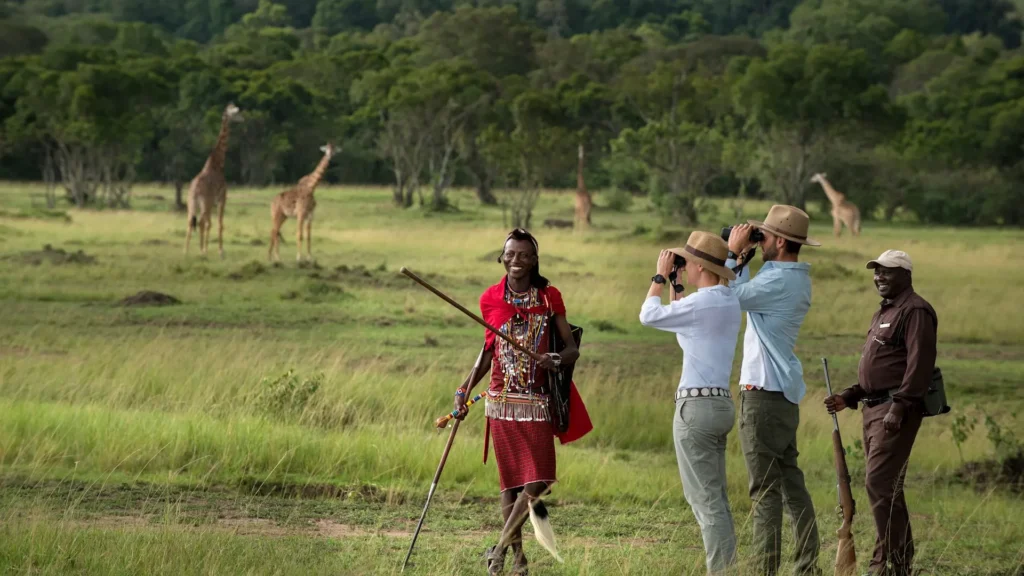
  • Guided walking safaris through the forest
  • Canoeing on the Momella Lakes
  • Viewing Mount Kilimanjaro on clear days
  • Exploring the rim of the Ngurdoto Crater
  • Watching flamingos at the alkaline lakes
arusha NP

Best Time to Visit

The best time to visit depends on your interests. The dry seasons from June to October and January to February are popular because wildlife is easier to spot around water sources and the trails are firm for hiking. These months also offer the clearest views of Mount Meru and Kilimanjaro.

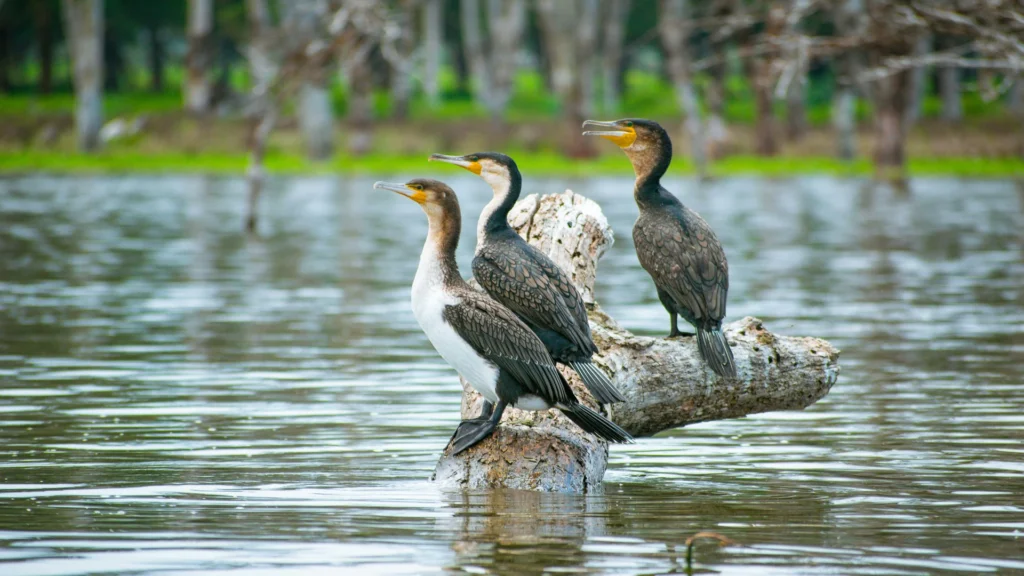
The green season from March to May and November to December transforms the park into a lush, vibrant landscape. While some rain occurs, this is the best time for birdwatching as migratory species arrive. Photographers prefer this time for the soft light and dramatic clouds over the volcanic peaks.

Wildlife & Nature

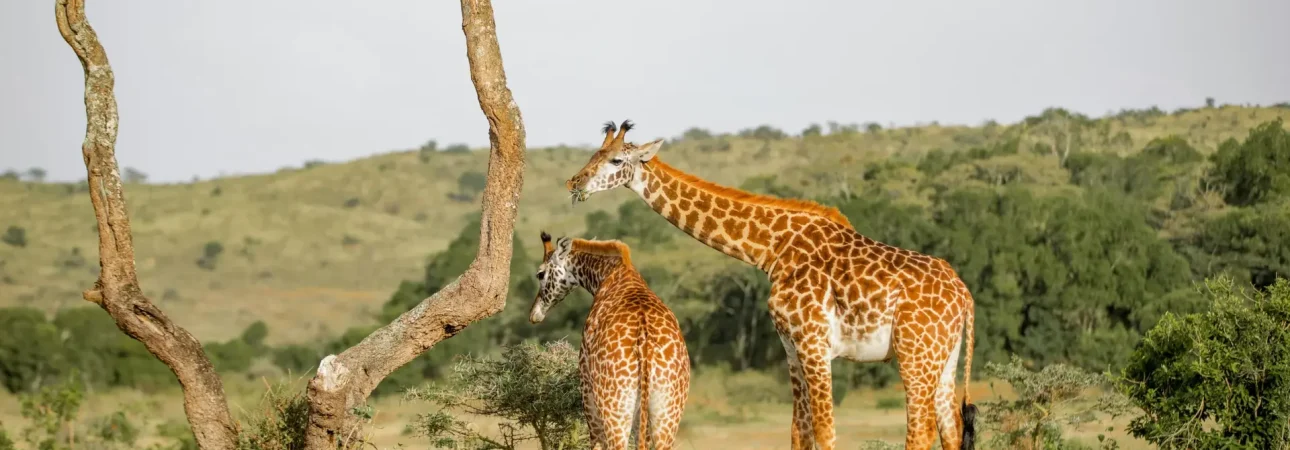
The park is home to a unique mix of forest and savannah species. You will likely see the acrobatic black-and-white colobus monkeys in the canopy and giraffes grazing near the lakes. Buffaloes, zebras, and warthogs are common on the grassy slopes of the “Little Serengeti” area. While elephants are present, they are often tucked away in the thick forest.

The landscape is dominated by Mount Meru, the second-highest peak in Tanzania. The Ngurdoto Crater provides a natural sanctuary for wildlife within its steep walls, while the Momella Lakes are often tinged pink by thousands of flamingos.

Local Culture Community & Conservation

The park plays a vital role in protecting the watershed for the surrounding communities and the city of Arusha. Conservation efforts focus on maintaining the forest corridors that allow wildlife to move between the park and the Kilimanjaro ecosystem. Park fees directly support these protection measures and anti-poaching patrols.

Visitors can learn about the history of the region through local guides who share knowledge about the flora and the significance of the mountains. Respectful engagement with the community is encouraged through hosted visits to nearby villages where residents share their traditions and heritage.

Getting There

Arusha National Park is one of the most accessible parks in Tanzania. It is located about 45 minutes to an hour by road from Arusha town. The drive follows well-maintained roads before reaching the park entrance, making it a convenient choice for a day trip or a short overnight stay.

International travelers typically arrive via Kilimanjaro International Airport, which is roughly 35 kilometers from the park. From the airport, a transfer with a professional driver is the most comfortable and reliable way to reach your lodge or the park gate.

Internal flights are also available from other Tanzanian hubs like Zanzibar or Dar es Salaam into Arusha Airport. Once you land, the Johnbow team can arrange a smooth road transfer to ensure you reach the park without having to navigate local logistics yourself.

Where To Stay

Practical Travel Tips

  • Wear neutral-colored clothing for walking safaris
  • Pack a light jacket for cool mornings in the forest
  • Carry binoculars for better bird and monkey sightings
  • Bring sturdy walking shoes if you plan to hike
  • Have some Tanzanian shillings for small purchases or tips

Who This Destination Suits

  • Day-trippers looking for a quick safari near Arusha
  • Hikers wanting to summit Mount Meru
  • Families with children who prefer shorter travel times
  • Birdwatchers interested in forest and water species
  • Travelers seeking a quiet start to their Tanzanian holiday

Related Itineraries

Read before you travel

Useful context for planning your journey and choosing when to go.

Frequently Asked Questions

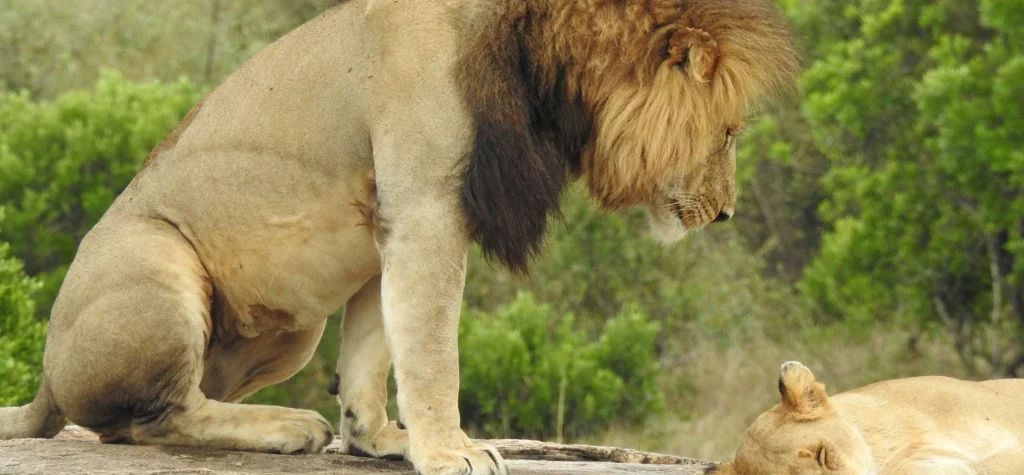
No, while you can see buffaloes and leopards, rhinos and lions are not present in this park.
Yes, all walking safaris are led by an armed and experienced park ranger for your safety.
One full day is enough for a general tour, but stay two or three nights if you plan to hike Mount Meru.