Buffalo Springs National Reserve

KenyaSamburu & Northern Kenya
Explore Kenya Safaris

About This Destination

Located in Kenya’s dry north, Buffalo Springs National Reserve offers a different landscape compared to the southern parks. It sits just across the Ewaso Nyiro River from Samburu National Reserve. The reserve is famous for its semi-arid beauty, doum palms, and a clear water spring that gives the park its name.

The terrain consists of rolling grasslands and old lava flows. These volcanic features create a stark and interesting environment for photography. The Ewaso Nyiro River provides a green lifeline for the animals, drawing wildlife to its banks throughout the year.

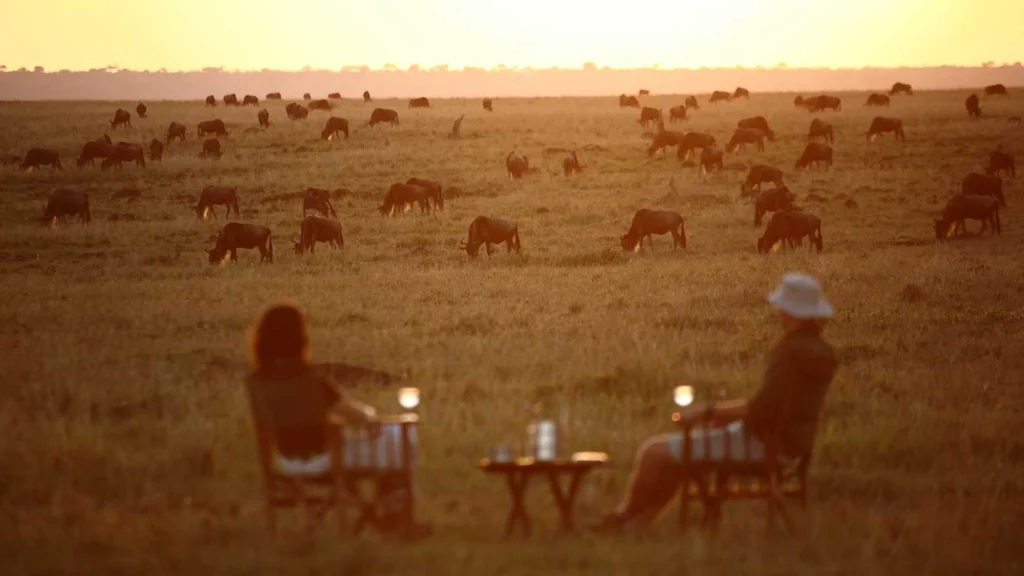
Travellers visit Buffalo Springs for its quiet atmosphere and unique wildlife. It feels more remote and less crowded than other popular reserves. This makes it a great choice for those who want a calm safari experience with plenty of space to observe nature.
Why Visit

Buffalo Springs is known for the “Samburu Special Five.” These are rare animals found mostly in northern Kenya. Seeing these species in their natural habitat is the main reason many people travel here. The scenery is also a major draw, with the river banks providing a lush contrast to the surrounding desert plains.

Travellers appreciate the reserve because it is easy to navigate and offers excellent value. It provides a high-quality wildlife experience without the high costs of more famous parks. Our guides say this reserve offers some of the most consistent leopard sightings in northern Kenya because of the thick riverine forest.

Key Experiences

  • Viewing the Samburu Special Five
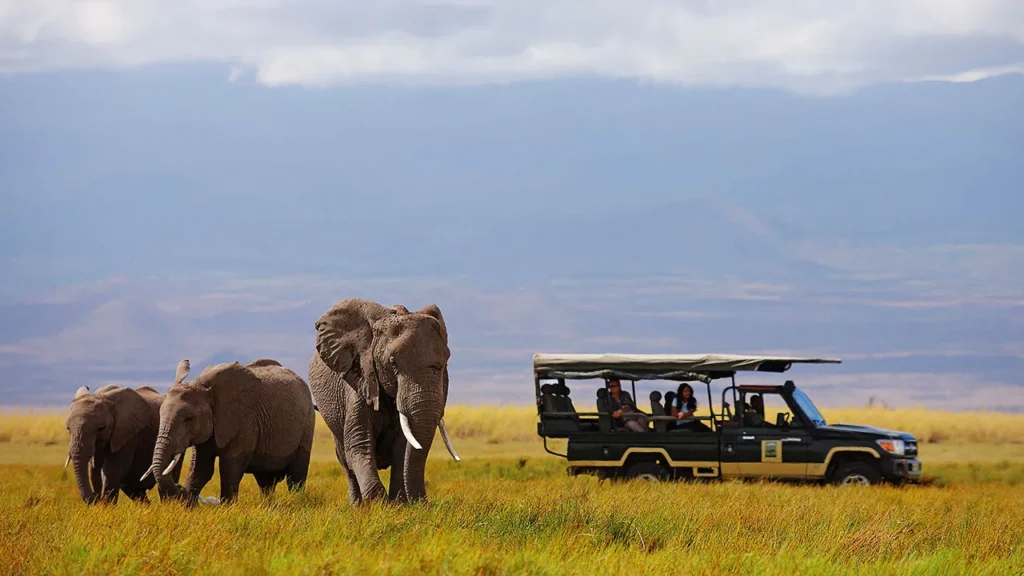
  • Watching elephants cross the Ewaso Nyiro River
  • Visiting the natural Buffalo Springs pool
  • Photography on the ancient lava flows
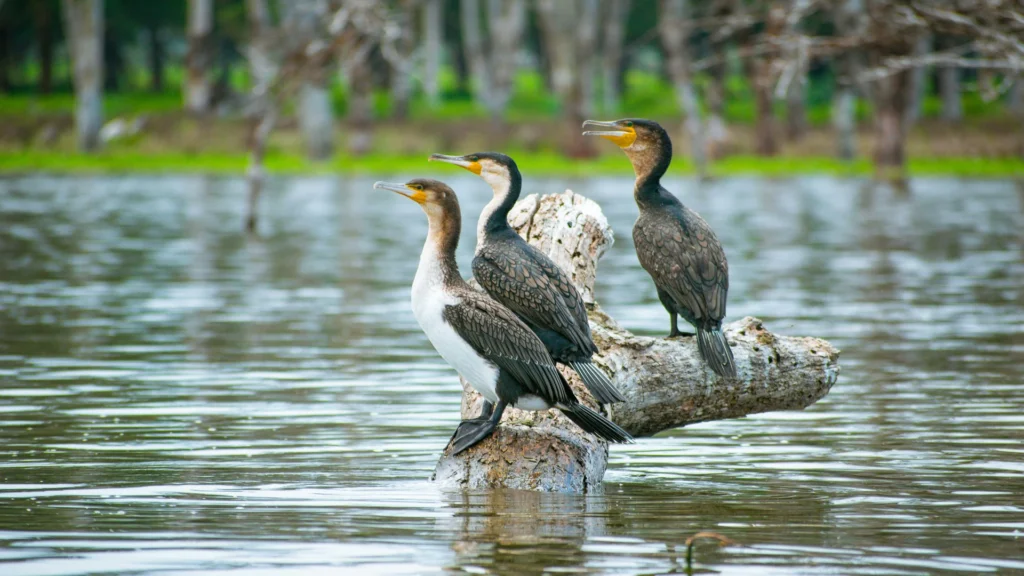
  • Bird watching along the river banks
peter-bromley-q0WP6vVNPRo-unsplash (1)

Best Time to Visit

The dry months from June to October and January to February are the best times for game viewing. During these periods, animals gather around the river and the springs because water is scarce elsewhere. The grass is short, which makes it easier to spot predators like lions and leopards.

The green season from March to May and November to December brings rain and beautiful scenery. The dust settles and the landscape turns a vibrant green. This is a great time for bird enthusiasts as migratory birds arrive. Lodges often offer better rates during these months, making it a good time for budget-conscious travellers.

Wildlife & Nature

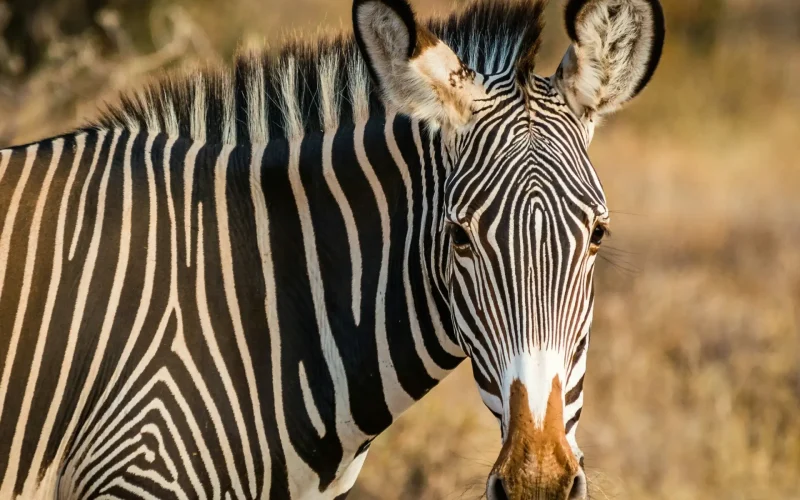
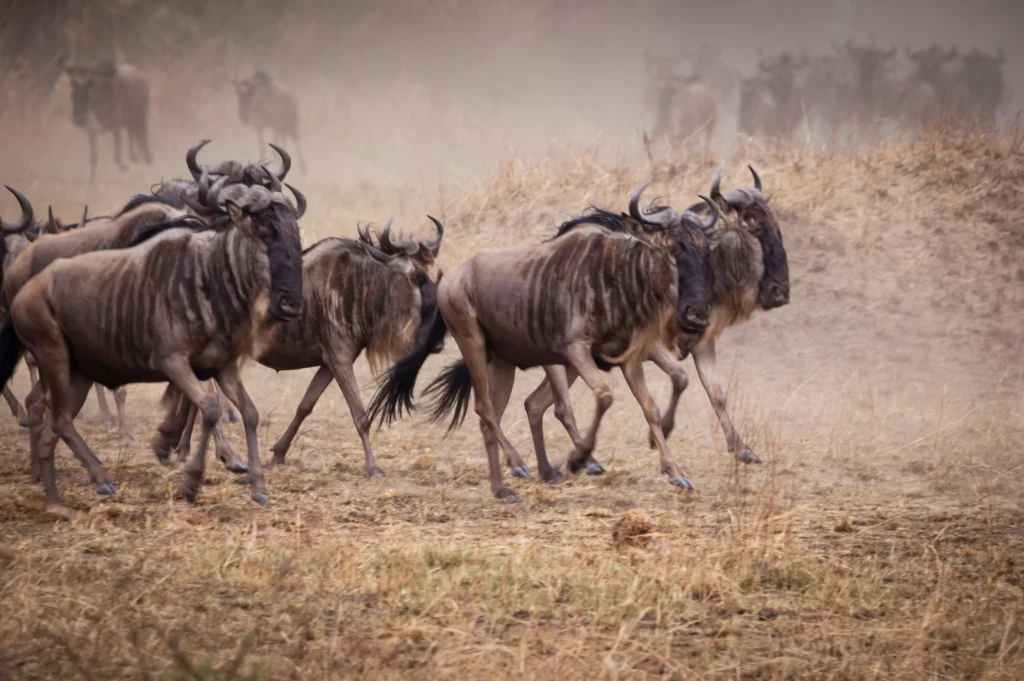
The wildlife here has adapted to the dry conditions. You will see the reticulated giraffe with its distinct patterns and the Grevy’s zebra which has thinner stripes than the common zebra. Other unique animals include the Somali ostrich, the Beisa oryx, and the long-necked gerenuk which stands on its hind legs to reach leaves.

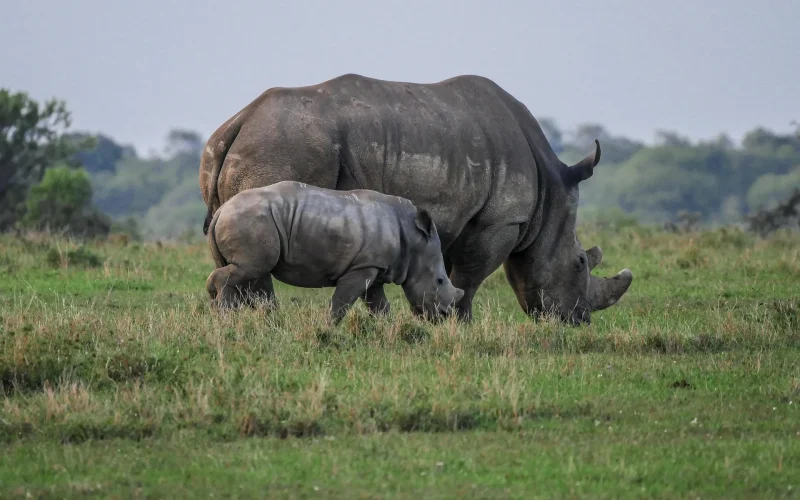
Elephants are very common and are often seen bathing in the river. The reserve also supports a healthy population of lions, leopards, and cheetahs. Along the Ewaso Nyiro River, you can spot crocodiles and hippos. The riverine forest of acacia and doum palms provides essential shade and food for these animals.

Local Culture Community & Conservation

The reserve is home to the Samburu people, who are traditional pastoralists. Their culture is closely tied to the land and the livestock they herd. Visitors can learn about their traditions and way of life through respectful visits to local villages. These experiences are hosted by the community and help support local livelihoods.

Conservation is vital in this fragile ecosystem. The reserve works with local communities to protect wildlife corridors and reduce human-animal conflict. By visiting, travellers contribute to these efforts through park fees. Our guides emphasize the importance of observing wildlife quietly to avoid disturbing their natural behavior.

Getting There

The most common way to reach Buffalo Springs is by road from Nairobi. The drive takes about five to six hours on a paved road that passes through beautiful highland scenery. Most guests travel in a private safari vehicle with a professional driver who handles the journey.

For those who prefer a faster trip, there are daily scheduled flights from Nairobi’s Wilson Airport. The flight takes about 45 to 60 minutes and lands at the Buffalo Springs airstrip. From the airstrip, it is a short drive to most lodges and camps within the reserve.

Another option is to include Buffalo Springs as part of a longer northern circuit. It is easy to combine with visits to Meru National Park or Laikipia. Our team ensures all transfers between these locations are smooth and comfortable.

Where To Stay

Practical Travel Tips

  • Wear neutral colours like khaki or beige for game drives
  • Carry a light jacket for early morning and evening drives
  • Use sun protection including a hat and sunscreen
  • Keep a pair of binoculars ready for bird and leopard sightings
  • Have some Kenyan Shillings for small purchases in local villages

Who This Destination Suits

  • Couples looking for a quiet and romantic safari
  • Photographers interested in unique species and volcanic landscapes
  • Families who want easy game viewing and comfortable lodges
  • Travellers wanting to see wildlife not found in the Mara
  • Small groups looking for a less crowded park experience

Related Itineraries

Read before you travel

Useful context for planning your journey and choosing when to go.

Frequently Asked Questions

Three days is usually enough to see the main wildlife and explore the different parts of the reserve.
Yes, these animals are wild but used to vehicles, so you can observe them safely from your safari car.
Yes, the two reserves are separated only by the river and are very easy to visit during the same trip.