Safari packing is mostly about temperature range and luggage limits, not about looking the part. A morning game drive can start close to freezing in an open vehicle and finish in strong sun three hours later. Pack for that swing and most other decisions follow.
This guide covers what works across Kenya, Tanzania, Uganda and Rwanda. Check the specific advice on your own itinerary, because a walking safari, a gorilla trek and a beach extension each change the list.
Layers matter more than anything else
Early starts are cold. Vehicles are open or have roof hatches up, and moving air makes it colder still. By mid-morning the same drive can be hot. One warm layer you can take off is worth more than any single garment.
A fleece or insulated jacket, a long-sleeved shirt and a light scarf or buff cover almost every morning. Lodges and camps provide blankets on vehicles, but they do not replace a jacket.
Colours: practical, not fashionable
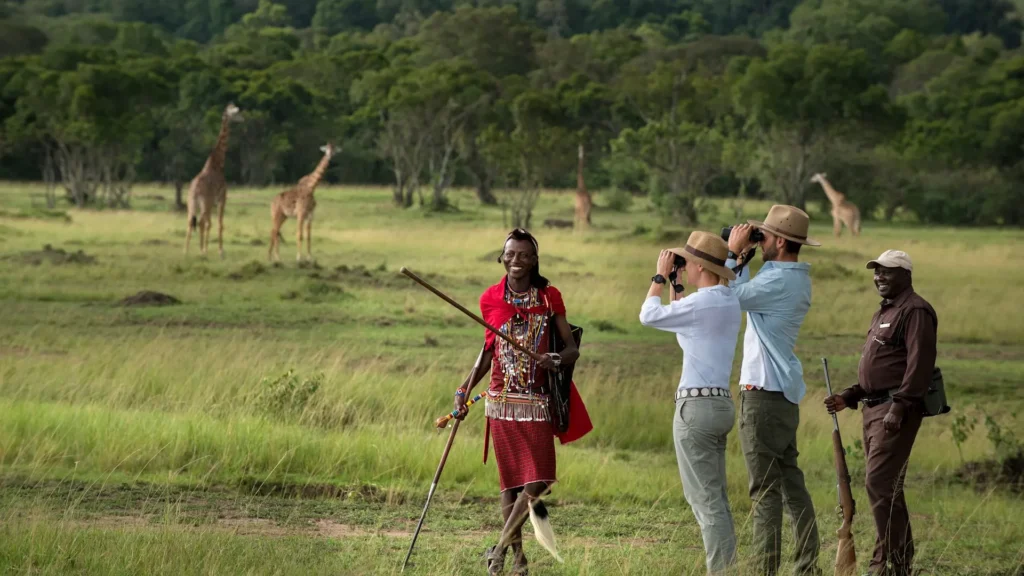
Neutral tones — khaki, olive, beige, soft brown — are the convention for a reason. They show dust less and keep you unobtrusive on foot. This matters most on a walking safari, where you are at ground level with wildlife.
Avoid dark blue and black where tsetse flies are active: both attract them. Bright white is impractical for dust. Camouflage patterns are restricted or prohibited in several countries in the region and are best left at home entirely.
Footwear
Closed walking shoes or light boots, already broken in, cover game drives and short walks. For forest trekking in Uganda or Rwanda you need genuine waterproof boots with ankle support and grip, because the ground is steep and wet in any month. Sandals are for camp in the evening, not for the vehicle.
Sun, dust and insects
- A wide-brimmed hat that stays on in a moving vehicle
- High-factor sunscreen and lip balm with sun protection
- Sunglasses, plus a spare if you depend on them
- Insect repellent, and long sleeves and trousers at dawn and dusk
- A buff or light scarf for dust on long transfers
Luggage limits on light aircraft
If your route includes a fly-in leg, soft bags are usually required and weight limits are strict and include hand luggage. Hard cases often cannot be loaded at all. The exact allowance depends on the operator and aircraft, so confirm it against your own route rather than assuming a standard figure. Our fly-in itineraries set out the transfers involved.
What you can leave behind
Most camps and lodges offer a laundry service, which means three or four changes of clothing is usually enough for a week. Formal clothing is rarely needed. Heavy camera gear is a personal call, but bring a dust-proof bag for it and far more memory than you expect to use.
Trekking and beach additions
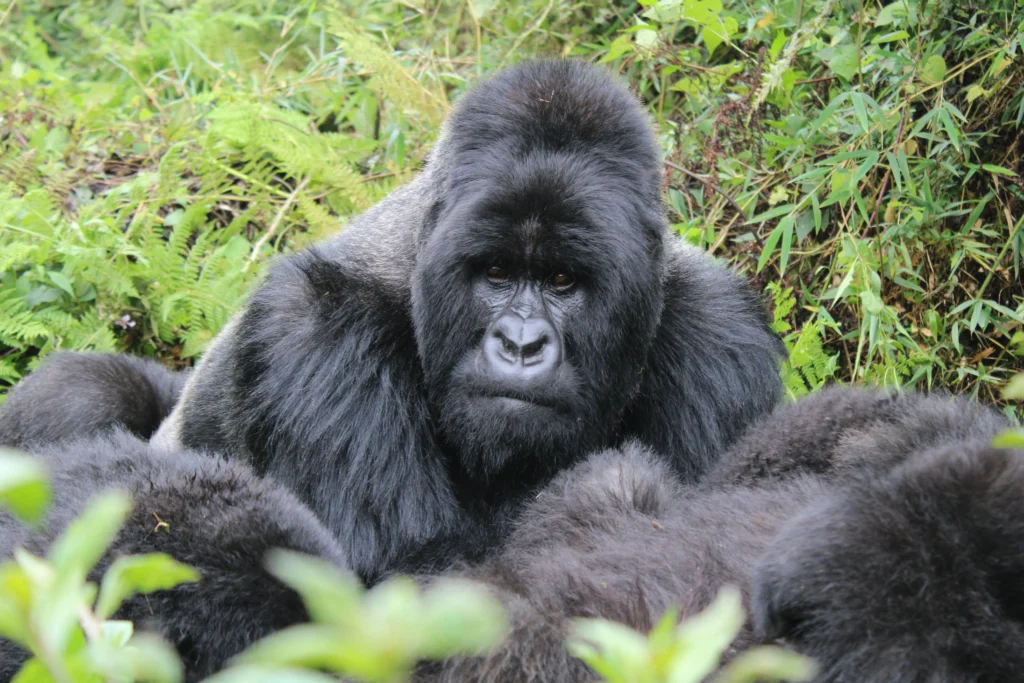
Gorilla and chimpanzee trekking need their own list: waterproofs, gardening-weight gloves for undergrowth, and a small daypack. See our gorilla trekking guide for the detail. If you are finishing on the coast, pack swimwear and light clothing separately so it is not buried under safari layers.
Before you confirm
Packing advice is general; your itinerary is specific. Altitude, season, the activities you have chosen and whether you are flying between areas all change the list. Tell us your route and dates and we will set out what actually matters for it. Start with Kenya safaris or send us your plans through the enquiry form.