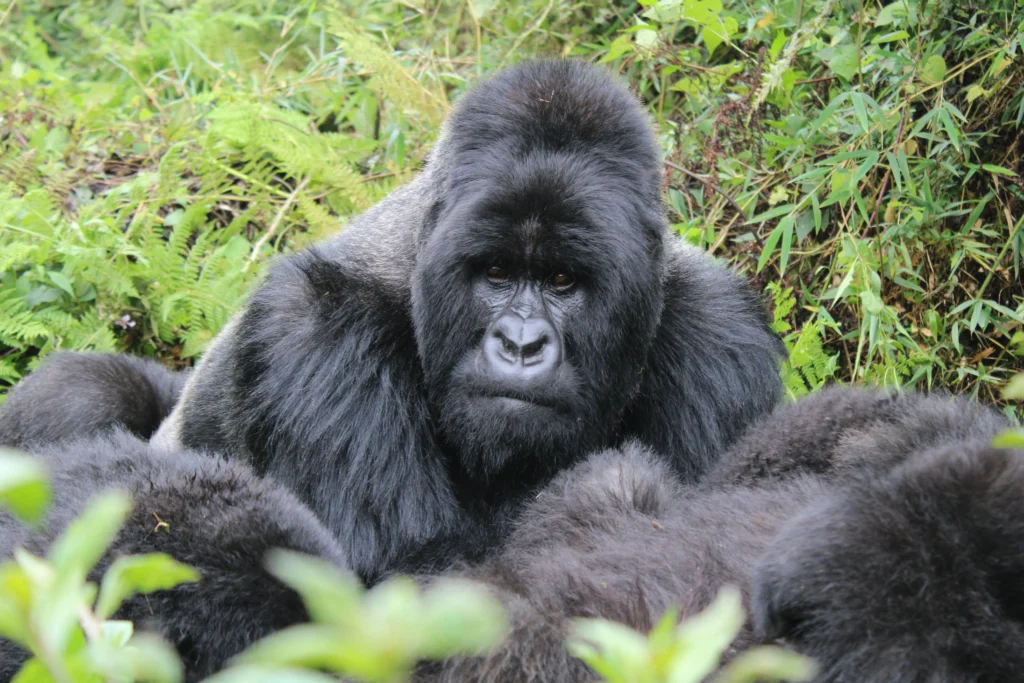
Mountain gorilla trekking is permit-based, and the permit is the fixed point everything else is built around. Flights, lodges and the rest of the route follow the date you are allocated, not the other way round.
This guide explains how that works across Uganda and Rwanda. Fees and rules are set by the national authorities and change from time to time, so treat the figures you see quoted elsewhere with caution and let us confirm the current position for your dates.
How allocation works
A permit admits one person to one trek, on one specific date, to one habituated gorilla family. Numbers per family per day are strictly capped, which is the whole basis of the conservation model. In Uganda, permits are also tied to a sector of Bwindi — Buhoma, Ruhija, Rushaga or Nkuringo — and that sector decides which lodges make sense, because the trailheads are far apart.
Lead time is the real constraint
Peak months go first. The earlier you share your travel window, the more likely your preferred dates can be held. We check live availability before anything else is booked, because committing to flights ahead of a confirmed permit is how trips come unstuck.
Uganda or Rwanda?
Both countries offer trekking to habituated families and both track them daily. Rwanda’s advantage is proximity: Volcanoes National Park is a drive from Kigali, which makes a short, focused trip genuinely short. Uganda rewards a longer overland journey with far more variety alongside the trek — chimpanzees in Kibale, the Kazinga Channel and the savannah of Queen Elizabeth.
Permit availability on your dates often settles the question. Compare Uganda safaris and Rwanda gorilla safaris side by side.
What the trek actually involves
Expect a briefing at park headquarters, then a walk into dense forest following trackers who located the family that morning. Walking time varies from under an hour to several hours each way, on steep and often muddy ground at altitude. Time with the gorillas is limited by park rules once you reach them.
Reasonable fitness makes the day much more enjoyable. Porters are usually available at the trailhead to carry a daypack and help on climbs, and hiring one supports local employment.
Age limits and health rules
A minimum age applies in both countries, set by the authorities, so younger children generally cannot join the trek itself. Visitors who are unwell may also be refused, because gorillas are vulnerable to human respiratory infection. Tell us the ages in your party and we will confirm the current rules and what everyone else can do that day.
Is a sighting guaranteed?
No. Success rates are high because families are tracked daily, but these are wild animals in dense forest. The permit covers the trek, not the outcome. Any operator presenting a sighting as certain is overstating it.
Chimpanzees are a separate permit
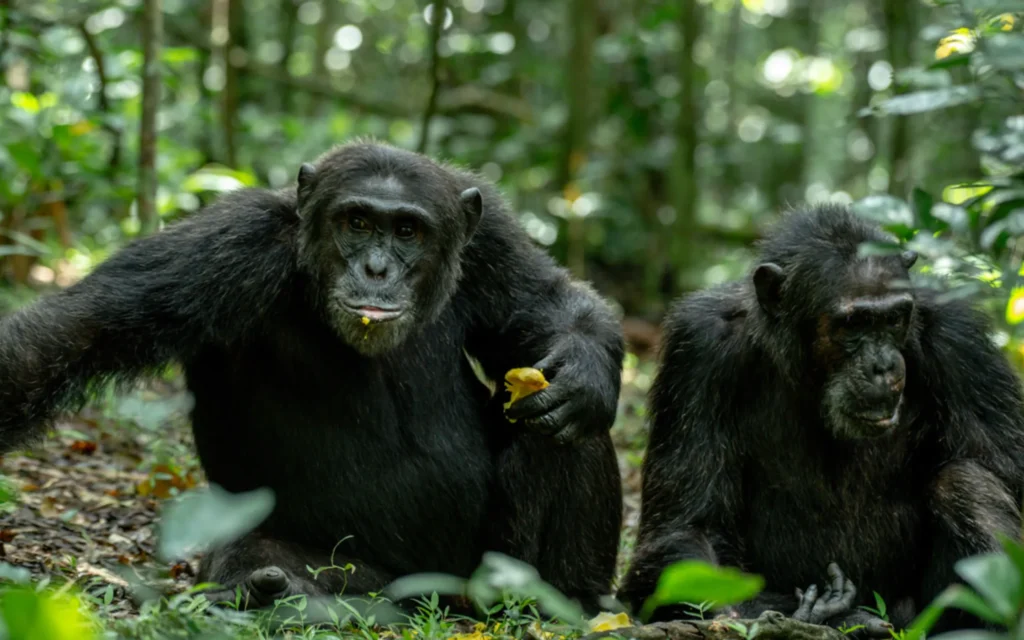
Chimpanzee tracking in Kibale runs on its own permit and its own day. Many of our Uganda routes combine the two, which needs enough nights because the forests are a long drive apart. See chimpanzee trekking for what that day involves.
What to pack
Waterproof boots already broken in, long sleeves and trousers, a rain layer, gardening-weight gloves for nettles and vines, and a small daypack. Conditions are wet in any month. Our packing guide covers the rest of the trip.
Start with your dates
Send your travel window, party size, ages and fitness, and whether gorillas, chimpanzees or both are the priority. We will check what is actually available before proposing a route.