Kibale National Park

About This Destination

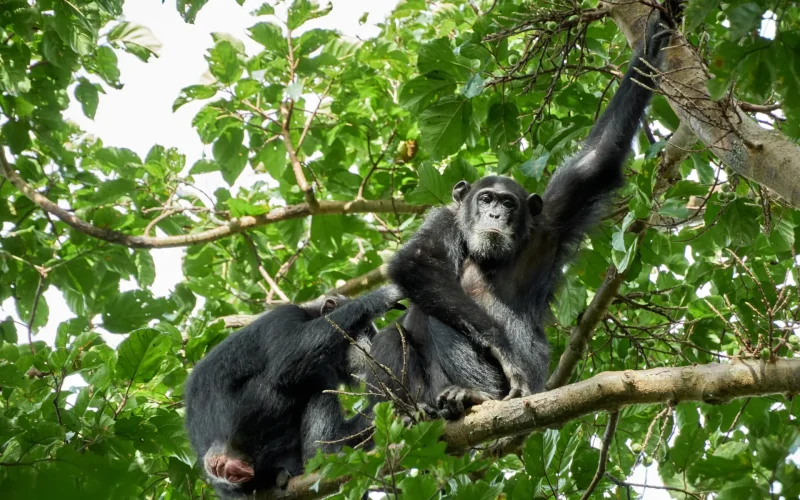
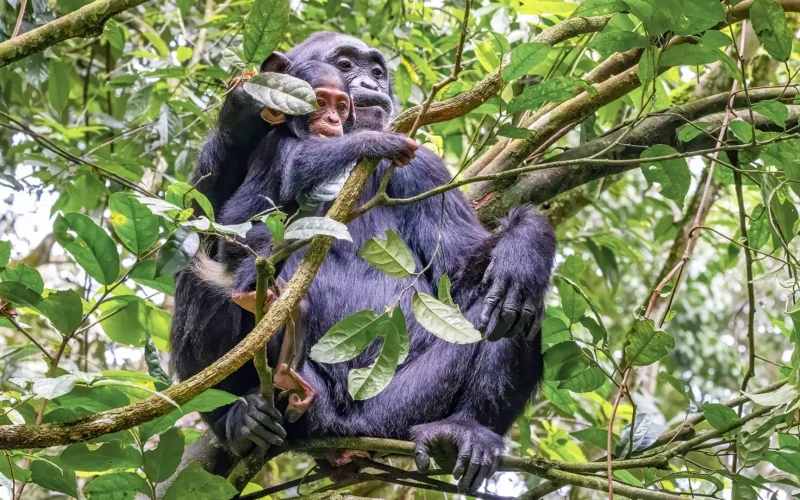
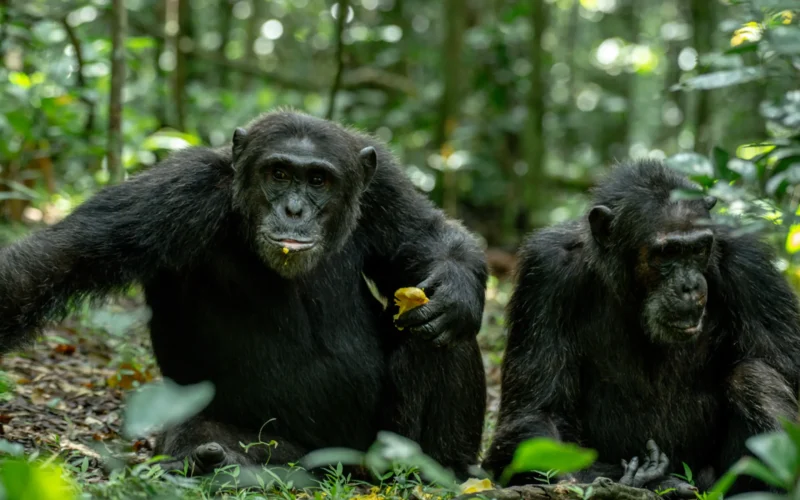
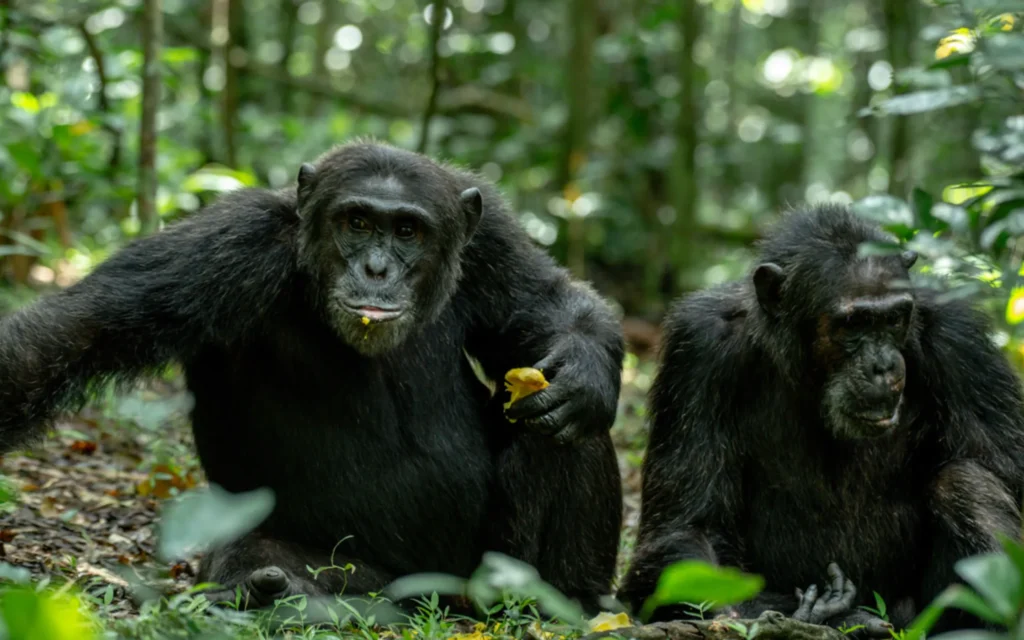
Kibale is the best place in Uganda to spend time with chimpanzees. The forest is tall, green and relatively level compared with Bwindi, and the habituated communities here are well established, which makes tracking both productive and comparatively gentle underfoot.

It also holds one of the highest primate densities in Africa. On a single morning walk it is normal to encounter several species besides chimpanzees, which is why the park appeals as much to naturalists as to those focused on one encounter.

Just outside the park, the Bigodi wetland is a community-run reserve that is excellent for birds and for the primates that move between the forest and the swamp.
Why Visit

Kibale is the best place in Uganda to spend time with chimpanzees. The forest is tall, green and relatively level compared with Bwindi, and the habituated communities here are well established, which makes tracking both productive and comparatively gentle underfoot.

It also holds one of the highest primate densities in Africa. On a single morning walk it is normal to encounter several species besides chimpanzees, which is why the park appeals as much to naturalists as to those focused on one encounter.

Just outside the park, the Bigodi wetland is a community-run reserve that is excellent for birds and for the primates that move between the forest and the swamp.
Key Experiences

  • Chimpanzee tracking
  • Chimpanzee habituation experience
  • Bigodi wetland walk
  • Night forest walk
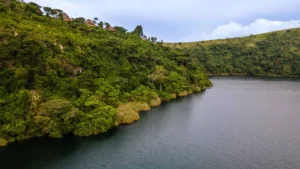
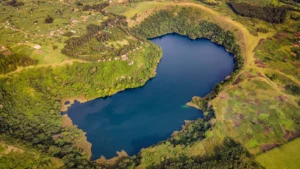
  • Crater lakes and tea estates
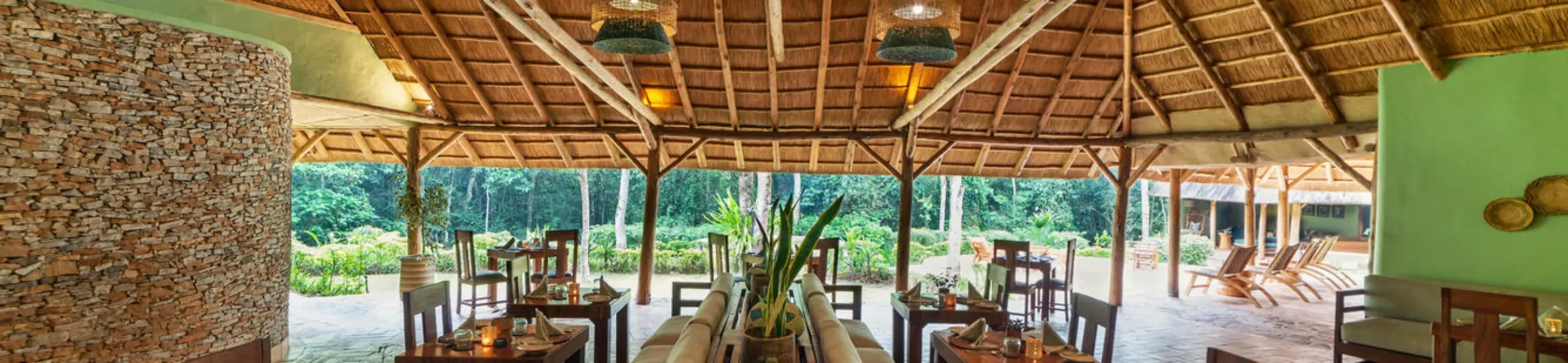
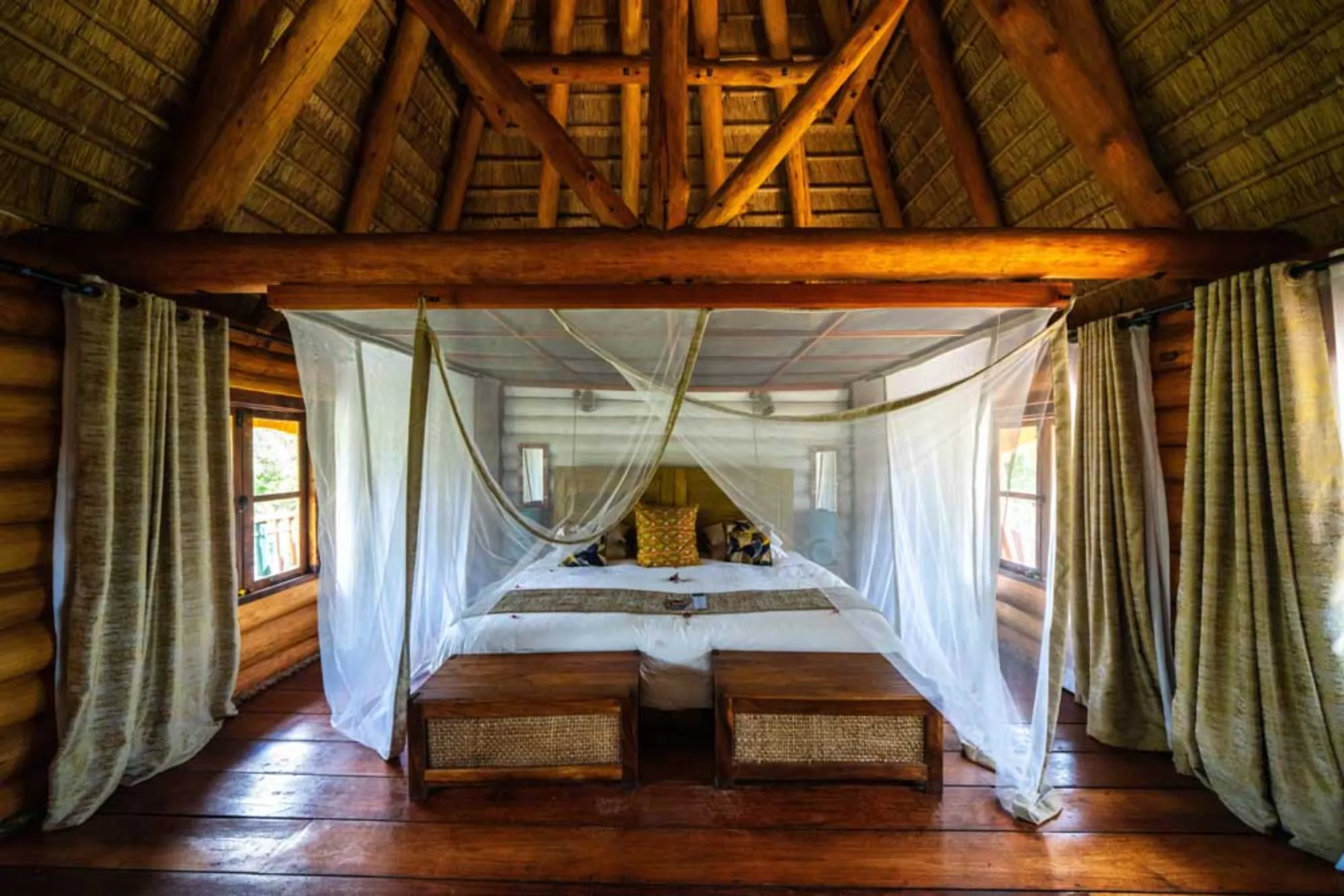
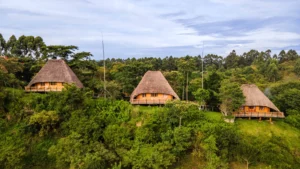
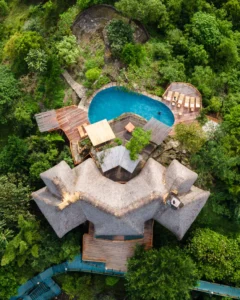
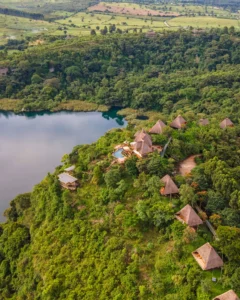
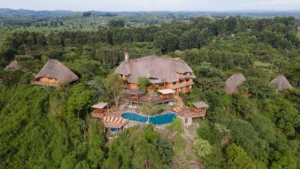
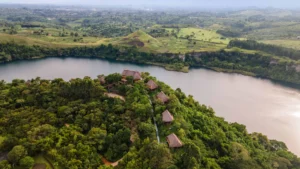
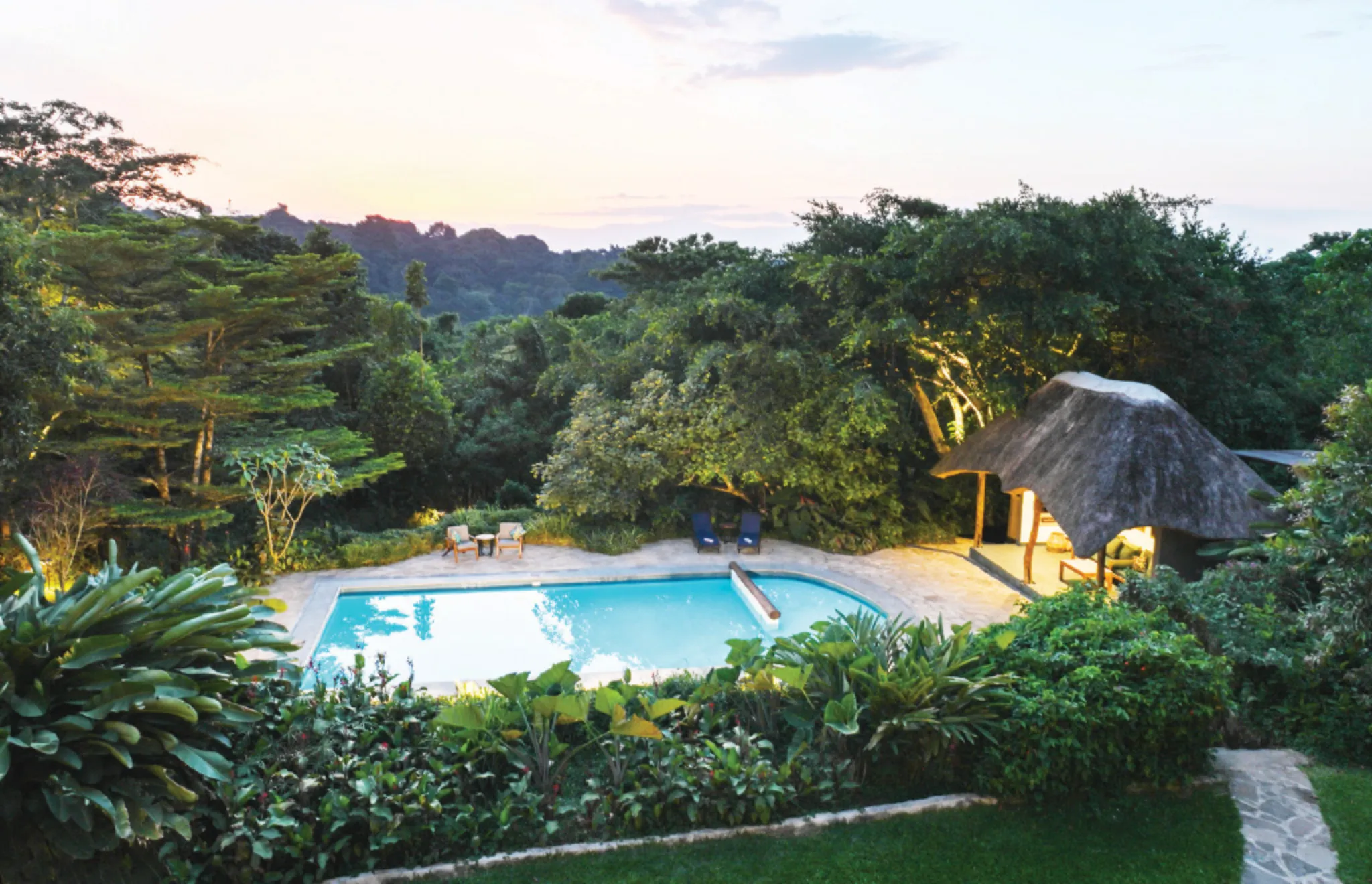
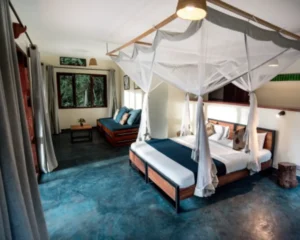
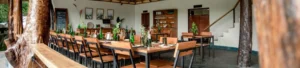
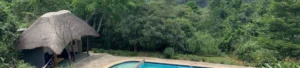
Primate Safari Lodge, Kibale National Park

Best Time to Visit

Tracking runs all year. The drier months, roughly December to February and June to September, generally mean easier trails. In wetter months the forest can be harder going, but fruiting trees sometimes bring the community lower and closer.

Permits are allocated to specific dates and sessions, so availability usually matters more than season when fixing a route.

Wildlife & Nature

Chimpanzees are the draw, with communities habituated over decades of research at Kanyanchu. Alongside them the park holds red colobus, black-and-white colobus, red-tailed and L’Hoest’s monkeys, grey-cheeked mangabey, olive baboon and bushbaby, among others.

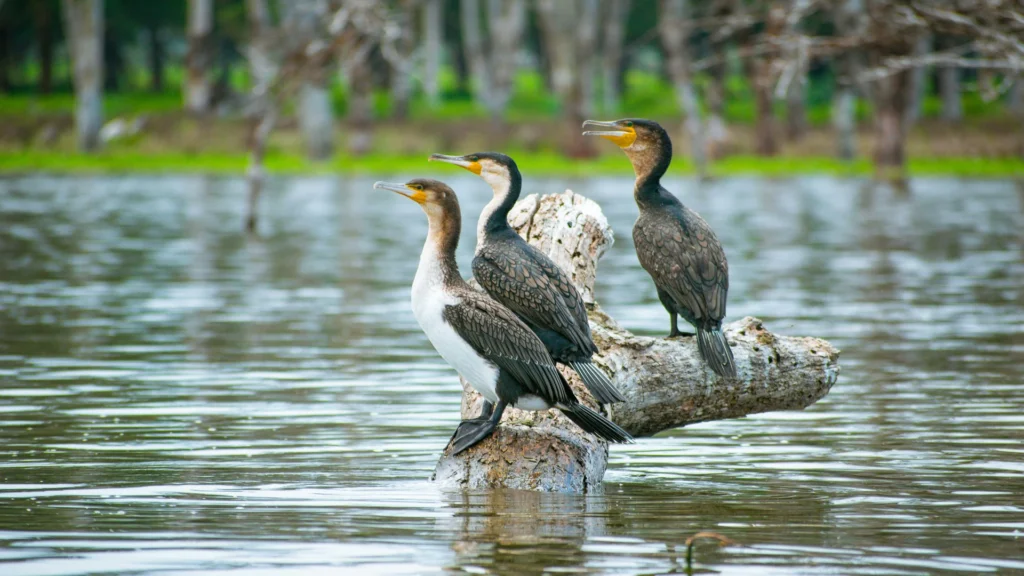
Forest elephant and buffalo are present but rarely seen in the thick vegetation. Birding is excellent, with the green-breasted pitta among the species that bring specialist birders here specifically.

Local Culture Community & Conservation

Kibale is closely linked to the communities on its boundary, most visibly through the Bigodi wetland sanctuary, which is community-owned and funds local schooling and infrastructure from visitor fees.

The forest has also been a research site for decades, and that long-running work on primate behaviour is part of why habituation here is so well established.

Getting There

Kibale is reached by road from Kampala in roughly five to six hours, or more usually as part of a circuit with Queen Elizabeth National Park, which is a couple of hours to the south.

Fort Portal is the nearest town and the usual base for the crater lake area. Scheduled flights to Kasese shorten the journey where an itinerary is tight.

Where To Stay

Practical Travel Tips

  • Stay close to Kanyanchu; tracking sessions report early
  • Waterproof boots and a rain layer are needed in any month
  • Add the Bigodi wetland walk on the afternoon either side of tracking
  • Chimpanzees move fast and high — binoculars help a great deal
  • Ask about the habituation experience if you want longer with the group

Who This Destination Suits

  • Travellers whose priority is chimpanzees rather than gorillas
  • Naturalists and birders wanting high primate diversity
  • Guests who prefer level forest walking to steep trekking
  • Itineraries already including Queen Elizabeth National Park

Related Itineraries

Read before you travel

Useful context for planning your journey and choosing when to go.

Frequently Asked Questions

Null
Null
Null
Null
Null