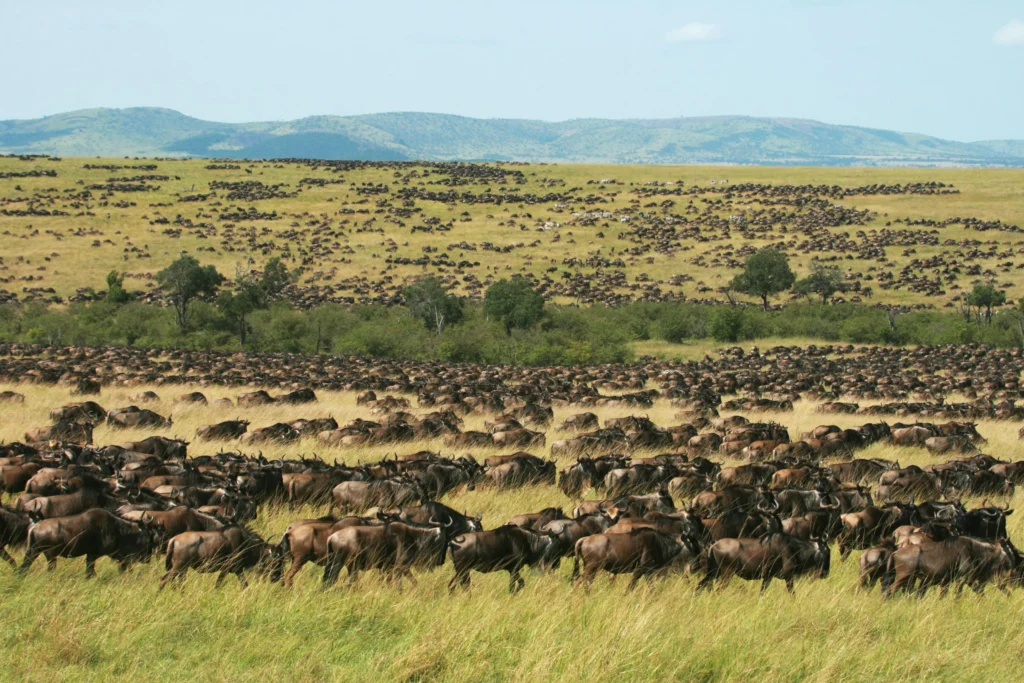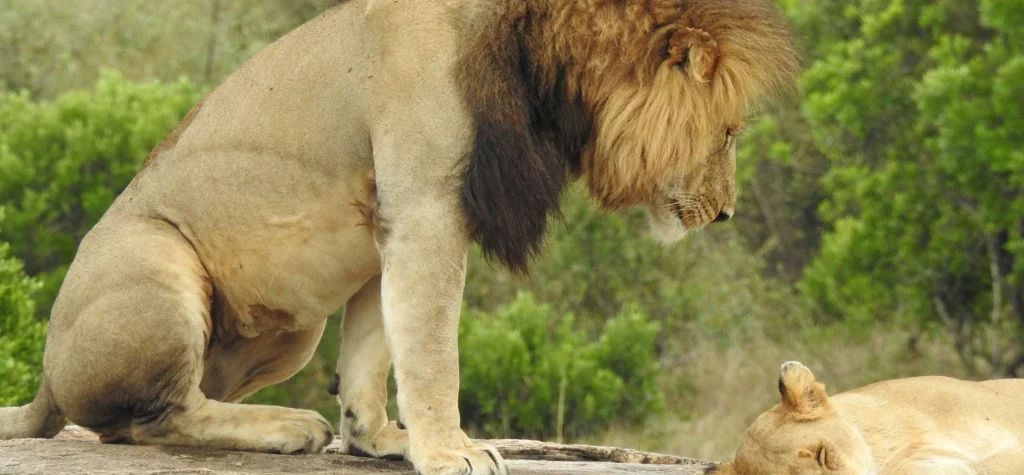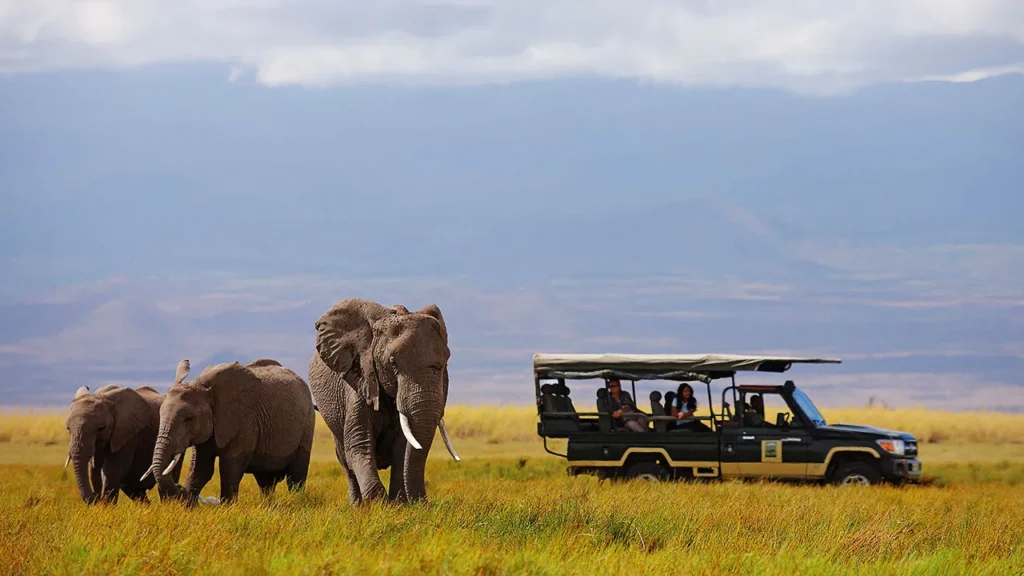
The best time to visit Kenya for a classic safari is during the dry season from late June to October. During these months, wildlife congregates around dwindling water sources, vegetation thins out for effortless tracking, and over 1.5 million wildebeest and zebras arrive in the Masai Mara for the dramatic river crossings of the Great Migration.
However, Kenya sits squarely on the equator, creating varied microclimates rather than conventional four-season weather. The “right” time depends heavily on your tolerance for crowds, budget, specific wildlife goals (e.g., experiencing migratory bird arrivals, seeing lion and cheetah cubs, or tracking big cat hunts during nursery seasons), and whether you want to pair your bush tracking with the Swahili Coast on a classic Kenya Safari & Beach Holiday.
Here’s a detailed breakdown of seasonal wildlife movements, weather realities, road conditions, and expert logistical advice to help you pick the exact month for your trip.
Kenya Safari Seasons at a Glance
| Season | Months | Weather & Conditions | Wildlife Highlights | Crowds & Rates |
| Peak Dry Season | July – October | Warm days, cold mornings, minimal rainfall | Great Migration in Masai Mara; exceptional Big Five viewing across all parks | Highest crowds; peak rates; book 8–12 months ahead |
| Short Dry Season | January – February | Hot, dry, and clear skies | Resident game viewing, peak nursery season for plains game, active predator action | Moderate–high crowds; standard high-season pricing |
| Short Rains | November – December | Afternoon showers, warm temperatures | Migratory bird arrivals from the north, lush backdrops, newborn plains game | Lower crowds until the Christmas/New Year peak spike |
| Long Rains (Green Season) | Late March – May | Heavy afternoon/nightly rain, high humidity | Exceptional birding, baby animals, dramatic skies for photography | Lowest rates (up to 40% off), fewest vehicles, some camps closed |
The Best Time of Year to Visit Kenya: Month-by-Month Breakdown
January to February: The Short Dry Season and Crystal-Clear Skies
- Weather: Highs around 28°C (82°F). Hot, dry days with very low rainfall. Morning game drives can still be crisp, especially in elevated parks like the Aberdares and Laikipia.
- Wildlife Action: Because vegetation is relatively sparse, resident game is easy to spot. This is the peak nursery season for resident wildlife. While the famous mega-herd wildebeest calving takes place south of the border in Tanzania’s Serengeti, Kenya’s resident plains game (including zebras, gazelles, and warthogs) give birth during this dry spell, triggering sharp predator response from lion prides and cheetahs. In Amboseli, clear morning skies offer classic, unobstructed views of Mount Kilimanjaro towering above herds of elephants.
- Logistics & Road Conditions: Murram (dirt) roads are firm and fully navigable across major parks. Vehicles face minimal mud risks, making this one of the most reliable periods for Kenya Multi-Destination Safaris.
Operator Tip: This is the premier window for a combined “Bush and Beach” itinerary. The Indian Ocean around Diani, Watamu, and Lamu is calm, warm, and boasts optimal underwater visibility for diving and snorkeling.
March to May: The “Long Rains” (The Green Season)
- Weather: Kenya’s primary wet season peaks in April and early May. Rain typically arrives as intense afternoon cloudbursts or overnight storms rather than continuous, all-day grey drizzle.
- Wildlife Action: The savanna transforms into an emerald carpet. Resident wildlife does not vanish, but animals disperse away from permanent waterholes because water is plentiful everywhere. Tall grass requires sharper spotters. Over 1,100 bird species are in peak plumage, supplemented by Palearctic migrants.
- Logistics & Road Conditions: This is where local operator experience counts. Kenya’s infamous black cotton soil in the Masai Mara, Amboseli, and parts of the Rift Valley turns to slick, wheel-clogging gumbo after downpours. Standard overland transfers between parks can face significant delays due to washed-out river crossings.
Operator Tip: Bypass muddy transit roads entirely by opting for a Kenya Luxury Fly-In Safari. Scheduled bush flights from Nairobi’s Wilson Airport (WIL) drop you directly at park airstrips, where you utilize camp-based, heavy-duty 4×4 vehicles fitted with mud chains. Premium lodges frequently drop rates by 30% to 50% during this window.
June: The Shoulder Transition
- Weather: The rains break, leaving behind crisp, cool air. Early morning temperatures in the Masai Mara and Laikipia can drop to 10°C (50°F).
- Wildlife Action: Grass is tall at the start of the month but grazers rapidly crop it down. Elephants, giraffes, and big cats are readily visible across private conservancies. The first advance scouts of the Great Migration often trickle into the southern edges of the Mara from the Serengeti toward late June.
- Logistics & Road Conditions: Roads dry quickly under steady sun. Dust levels remain low, making driving conditions pleasant and photography crisp without heavy haze.
Operator Tip: June is one of the savviest months to book. You get near-peak wildlife conditions, dramatically fewer safari vehicles than in July or August, and shoulder-season lodge pricing.
July to October: Peak Dry Season & The Great Migration
- Weather: Consistently dry, sunny, and temperate. Nairobi and high-altitude reserves can be distinctly cold at dawn and dusk, so you might want to pack thermal layers, fleeces, and windbreakers.
- Wildlife Action: This is Kenya’s marquee safari window. Between mid-July and mid-to-late October, mega-herds of wildebeest and zebra plunge across the crocodile-infested Mara and Talek Rivers. In northern parks like Samburu and Buffalo Springs, dry conditions force specialist species (Grevy’s zebra, reticulated giraffe, gerenuk) to cling to the Ewaso Nyiro River.
- Logistics & Road Conditions: All major circuits are accessible and road conditions are predictable. However, the national reserve sections of the Masai Mara experience intense safari traffic.
Operator Tip: To escape the crowds on Masai Mara & Amboseli Safaris, we highly recommend staying in a private conservancy bordering the main reserve (such as Mara North, Olare Motorogi, or Naboisho). Conservancies strictly limit footprint density to roughly one guest bed per 350 acres and enforce a hard cap of five vehicles per wildlife sighting, eliminating the crowding common at public crossings.
November to December: The “Short Rains”
- Weather: Short, brief showers arrive in November, usually falling in late afternoon or evening, leaving mornings bright and sunny. High temperatures average 27°C (81°F).
- Wildlife Action: The Great Migration herds generally begin their journey back south into Tanzania’s Serengeti. In their wake, resident game remains abundant. November marks the arrival of migratory waterbirds across the Rift Valley lakes. Note that while travelers often associate Lake Nakuru with flamingos, rising water levels mean the largest flocks have relocated to nearby Lake Bogoria. Lake Nakuru is still well worth the stop, but visit it for what it excels at today: guaranteed tracking of endangered black and white rhinos
- Logistics & Road Conditions: Afternoon showers can make dirt tracks greasy, but they dry out quickly.
Operator Tip: November through mid-December offers great value. Crowds and rates skyrocket between December 20 and January 5 for the holiday season, so you might want to book festive travel at least six months out.
Practical Safari Logistics: The JohnBow Advantage
When planning your journey, logistics can make or break the experience. Here is how we ensure your comfort and safety:
1. The Right Vehicles
Your comfort on the road is paramount. We do not use budget minivan conversions that struggle off-tarmac. JohnBow relies entirely on custom-modified 4×4 Safari Land Cruisers. Our fleet features pop-up roofs for 360-degree photography, onboard charging ports for your cameras, high-clearance suspension for rutted tracks, and refrigerators to keep your drinks cold during dusty afternoon drives.
2. Flexible Transit Options (Fly-In vs. Overland)
We offer the flexibility to match your pacing. If you want to see the changing countryside across the Great Rift Valley, our expert driver-guides make the 5-to-6-hour overland transfers comfortable and engaging.
If you are traveling during the wet shoulder season, or simply want to maximize your time in the bush, our Kenya Luxury Fly-In Safaris utilize scheduled domestic carriers to bypass bumpy roads and save precious daylight.
3. Transparent Value & Mid-Range Luxury
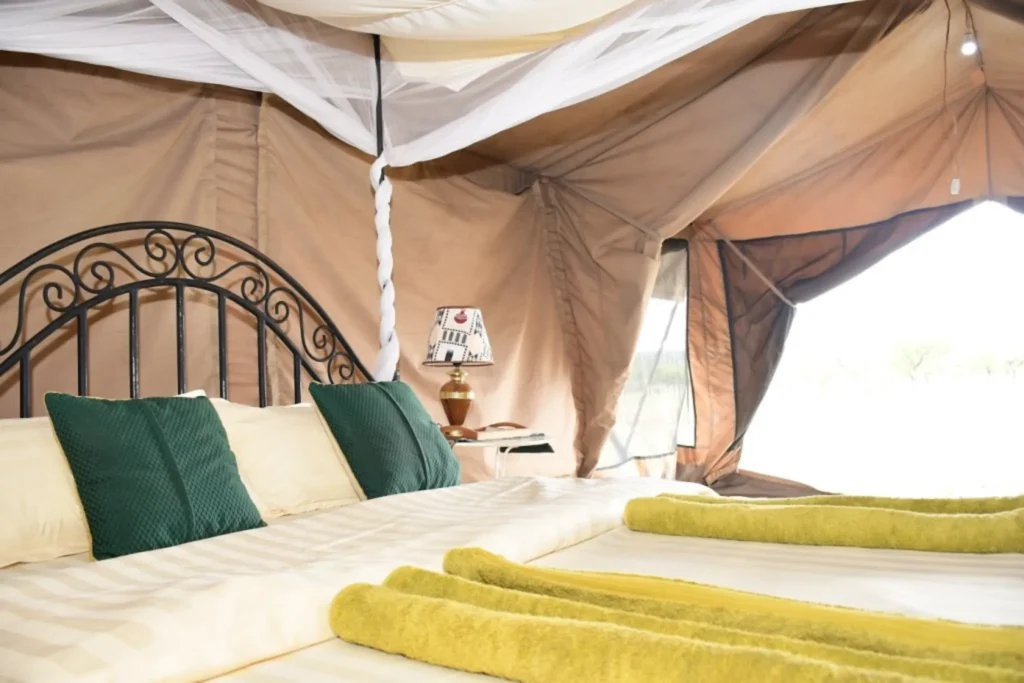
We believe an African safari shouldn’t be a choice between “roughing it” and breaking the bank. We focus on the sweet spot: “Mid-Range” tented camps and lodges offering en-suite bathrooms, exceptional food, and stunning views. Our packages are fully inclusive of transport, quality accommodation, and all park fees.
4. Navigating Park Fee Changes
Park entry fees in Kenya have seen significant restructuring recently. Entry to the Masai Mara National Reserve costs $100 per day from January to June, rising to $200 per day during peak season from July to December.
Narok County also enforces a strict 12-hour ticket validity for guests staying outside the reserve. Furthermore, for Kenya Wildlife Service (KWS) parks like Amboseli and Tsavo, cash is strictly banned at gates: all fees must be settled digitally in advance via the eCitizen portal.
At JohnBow, we handle all these ticketing logistics and prepayments seamlessly in advance, so you never have to worry about gate delays or confusing payment portals.
Ready to answer the call of the wild? Let JohnBow Tours and Travel show you the East Africa we know and love. Explore our diverse Kenya destinations and request a tailor-made quote today.