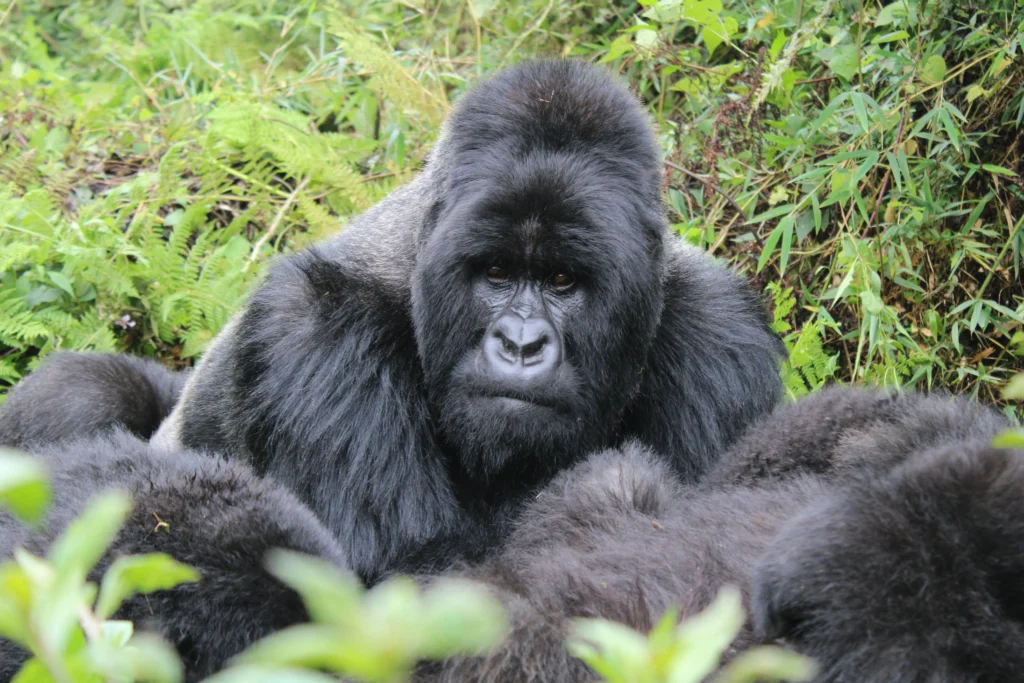
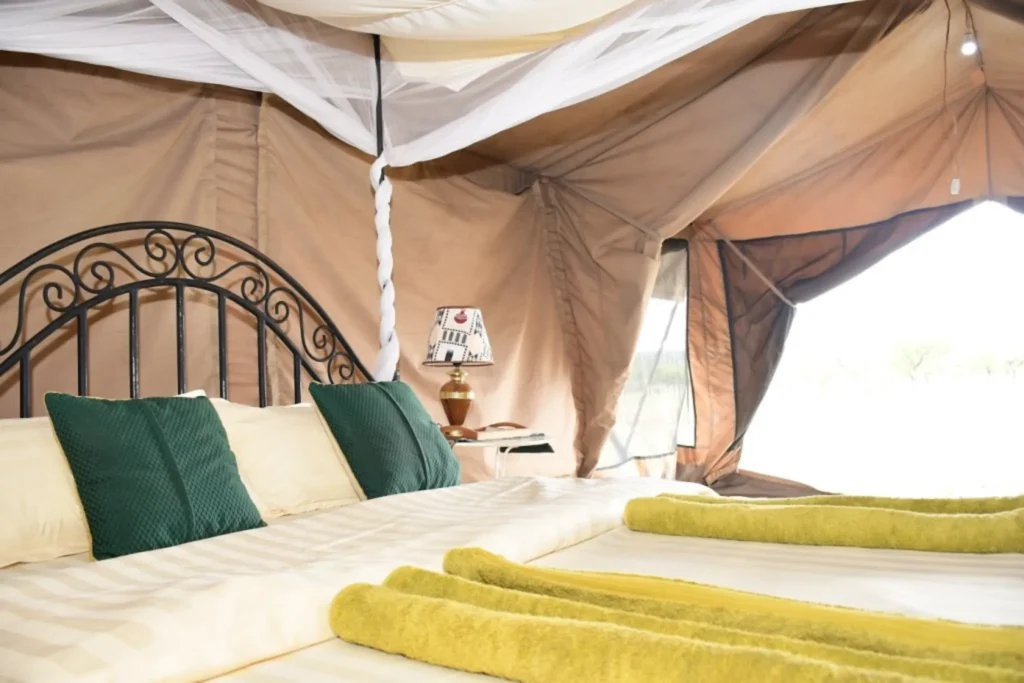
Choosing between the Masai Mara and Serengeti depends on the wildlife you want to see, when you plan to travel, how much time you have, and the kind of safari you prefer. The Masai Mara vs Serengeti decision is also a choice between two parts of the same wider wildlife ecosystem, connected by the annual movement of wildebeest, zebras and gazelles across Kenya and Tanzania.
Kenya’s Maasai Mara National Reserve is known for open grasslands, excellent predator viewing and seasonal Great Migration sightings. Tanzania’s Serengeti National Park offers a much larger landscape, with different regions supporting wildlife viewing and migration activity at different times of the year.
Neither destination is universally better. The right choice depends on your travel plans. Here’s how they compare in terms of wildlife, migration, size, crowds, accessibility, accommodation, and the type of safari each suits best.
Masai Mara vs Serengeti: At a Glance
| Comparison | Maasai Mara, Kenya | Serengeti, Tanzania |
| Protected area | Maasai Mara National Reserve | Serengeti National Park |
| Approximate size | 1,510 km² for the reserve | 14,750 km² for the national park |
| Landscape | Open grasslands, rolling plains and riverine habitats | Vast grasslands, woodlands, rocky kopjes and river corridors |
| Wildlife | Lions, cheetahs, leopards, elephants, buffaloes and other plains wildlife | Lions, cheetahs, leopards, elephants, buffaloes, rhinos and other plains wildlife |
| Great Migration | Particularly associated with seasonal herd movements and Mara River crossings | Covers several stages of the migration, including calving in the southern plains |
| Crowds | Busy in popular areas during peak migration periods | Visitor pressure varies considerably across its larger area |
| Access | Commonly reached from Nairobi by road or domestic flight | Commonly reached through Tanzania’s northern safari circuit, often via Arusha or regional airstrips |
| Accommodation | Lodges, tented camps and options in surrounding conservancies | Lodges and tented camps across several regions of the park and surrounding areas |
| Best suited to | Travellers wanting a Kenya safari, strong wildlife viewing and a relatively compact itinerary | Travellers wanting expansive landscapes, a longer safari or to follow the migration through different regions |
Size figures refer to the two protected areas, not the entire ecosystem. Actual travel times, accommodation costs and wildlife-viewing opportunities depend on your itinerary and travel dates.
The short answer: Choose the Maasai Mara for a wildlife-rich Kenya safari with convenient connections from Nairobi. Choose the Serengeti for a larger landscape and a broader range of seasonal wildlife experiences. Consider both if you have enough time and budget to explore Kenya and Tanzania on one trip.
Are the Maasai Mara and Serengeti Part of the Same Ecosystem?
Yes. The Maasai Mara and Serengeti are distinct protected areas in different countries, but they form part of the wider Mara–Serengeti ecosystem, a connected landscape across Kenya and Tanzania.
The Maasai Mara lies in south-western Kenya, while Serengeti National Park lies in northern Tanzania. Wildlife moves across this wider landscape in response to rainfall, fresh grass, water availability and other ecological conditions.
The Great Migration is one of the clearest examples of this connection. Large herds of wildebeest, zebras and gazelles move between seasonal grazing areas, with the timing and routes varying from year to year. Our guide to when the Great Migration takes place explains how these movements change throughout the year and which regions to consider when planning your safari.
This distinction matters when planning a safari. You are not choosing between two unrelated wildlife destinations. You are choosing where within a much larger ecosystem to spend your time.
However, the two parks have different sizes, access arrangements, visitor regulations, and accommodation options. Those differences shape the experience you can expect from each destination.
Serengeti vs Masai Mara: Which Has More Wildlife?
Both destinations offer excellent opportunities to see African wildlife, including lions, leopards, cheetahs, elephants, buffaloes, giraffes, zebras, and various antelope species. Both also support a wide range of birdlife.
The difference is less about declaring one destination home to more wildlife and more about the landscapes, seasons, and locations in which you encounter it.
Wildlife Viewing in the Maasai Mara
The Maasai Mara’s open grasslands can make animals relatively easy to spot when visibility is good. The reserve is particularly well known for its large predators, including lions and cheetahs, as well as its seasonal concentrations of migrating wildebeest and zebras.
Game drives may bring you into contact with elephants, giraffes, buffaloes, hyenas, gazelles and other species. Leopards are also present, although sightings are never guaranteed.
For travellers on a shorter safari, the Mara can offer rewarding game viewing without requiring the long transfers needed to explore a very large park.
Wildlife Viewing in the Serengeti
The Serengeti also supports abundant wildlife, but its much larger area includes different habitats and seasonal viewing areas. Open plains, woodland, rocky outcrops and river corridors provide different conditions for wildlife.
The southern plains are important during the wildebeest calving period, while the western and northern regions become relevant at other stages of the migration. Resident wildlife can also make game drives worthwhile outside the main migration periods.
The size of the park means that choosing the right region for your travel dates is particularly important. Staying in one area may not provide the same experience as travelling between several regions.
Which is better for wildlife viewing? Both are strong choices. The Mara may suit travellers seeking concentrated game viewing on a shorter itinerary, while the Serengeti offers more scope to explore a vast landscape and different seasonal wildlife areas over several days.
Masai Mara vs Serengeti: Which Is Better for the Great Migration?
The Great Migration is a major reason travellers visit both destinations. The key difference is the stage of the migration you hope to experience and where the herds are likely to be during your trip.
The migration is a continuous seasonal movement across the wider ecosystem, rather than a single event that takes place in one park on fixed dates.
The Serengeti: Best for the Great Migration Calving Season
The southern Serengeti and adjoining Ndutu area are among the main calving grounds for the Great Migration, particularly from January to March, with births often peaking in February. During this period, large numbers of wildebeest give birth across the short-grass plains, attracting predators such as lions, cheetahs and hyenas.
For travellers, this season offers opportunities to observe newborn wildebeest, herd behaviour and predator activity. The exact timing and distribution of the herds depend on rainfall and grazing conditions, so wildlife sightings can vary from one year to the next.
If witnessing the calving season is your main priority, the southern Serengeti and Ndutu are strong areas to consider. Plan your itinerary around the expected location of the herds rather than the month alone.
The Maasai Mara: Best for Great Migration River Crossings in Kenya
The Maasai Mara in Kenya is well known for hosting migrating wildebeest during the later part of the Great Migration, commonly from July to October. During this period, herds moving between Tanzania and Kenya may cross the Mara River as they search for fresh grazing. These crossings can offer dramatic wildlife viewing, but they are unpredictable and cannot be guaranteed on a particular day.
The Maasai Mara is not the only place to witness these crossings. The northern Serengeti, particularly the areas around Kogatende and the Lamai Wedge, also offers opportunities to see wildebeest crossing the same river. The best base depends on where the herds are gathering and moving during your travel dates.
If river crossings are your priority, plan your safari around the expected migration period and allow enough time for the herds to reach the river. Even during the usual peak season, a crossing may not happen while you are there.
Where should you go for the migration?
| Your priority | Destination to consider | Why |
| Wildebeest calving | Southern Serengeti and the adjoining Ndutu area | Important seasonal calving grounds |
| Mara River crossings | Maasai Mara or northern Serengeti | Both sides of the wider ecosystem can offer migration-related river-crossing opportunities |
| Following the migration through different regions | Serengeti, potentially combined with the Mara | The Serengeti covers a much larger area of the migration route |
| A migration-focused Kenya safari | Maasai Mara | A practical option when the herds are in or moving through the Kenyan side |
Pro Tip: If migration is your main reason for travelling, plan around the expected location of the herds rather than choosing a destination based on its name alone. A knowledgeable safari operator can help you match your dates and accommodation location to the seasonal patterns.
How Big Is the Serengeti Compared With the Maasai Mara?
The Serengeti National Park covers approximately 14,750 square kilometres, compared with about 1,510 square kilometres for the Maasai Mara National Reserve. On those figures, the Serengeti is roughly ten times the size of the Mara reserve.
This is a comparison of the two protected areas only. The wider Mara–Serengeti ecosystem extends beyond their boundaries and includes additional conservation areas, community lands and wildlife movement corridors.
What the Size Difference Means for Your Safari
The Maasai Mara’s smaller area can make it easier to plan a focused itinerary around particular wildlife-viewing areas. This is useful for travellers with limited time, although game drives still depend on animal movements and where the accommodation is located.
The Serengeti’s greater size allows visitors to explore a broader range of landscapes and seasonal wildlife areas. It also means that travelling between distant regions can take considerable time, so a longer itinerary may be necessary if you want to experience more than one part of the park.
Neither size guarantees better sightings or fewer vehicles. A smaller area can have busy wildlife-viewing locations, while the Serengeti can also become crowded around popular sightings and migration hotspots.
Serengeti vs Maasai Mara: Which Destination Has Fewer Crowds?
Crowding depends on the time of year, the region you visit, and how many vehicles gather around wildlife sightings. Both destinations have busier periods, particularly when the Great Migration draws visitors to specific areas.
In the Maasai Mara, July to October is generally the busiest period, with visitor pressure often highest in August and September. Migration herds attract many safari-goers, and popular Mara River crossing points can draw several vehicles at once. June and November can offer a quieter experience, while the long-rain months of April and May generally see fewer visitors.
In the Serengeti, July to October can be busy, especially in the north when migration herds gather near the Mara River. The southern plains around Ndutu can also become busy during the calving season in January and February. April and May are generally quieter months across much of the park, although rainfall can affect road conditions and some camps’ operations.
The Serengeti’s much larger area gives you more scope to explore different regions, but that does not mean every part is uncrowded. If avoiding crowds is a priority, consider travelling outside the main migration periods and choosing your accommodation based on the region you plan to explore.
How to Plan for a Less Crowded Safari
Consider travelling outside the busiest periods if your schedule allows, while checking how the weather may affect road access and wildlife viewing. You can also ask about accommodation in areas that suit your interests without being centred on the busiest viewing locations.
In the Maasai Mara, private conservancies surrounding the reserve may offer a different experience from staying inside the main reserve. Activities and vehicle rules vary by conservancy and accommodation, so confirm what is included before booking.
In the Serengeti, selecting the right region and camp location can help reduce unnecessary driving and improve access to the wildlife areas you want to visit.
Neither destination guarantees solitude. If avoiding crowds is important, discuss your preferred travel dates, accommodation location, and safari style with your operator before making a decision.
Masai Mara vs Serengeti: Access and Travel Logistics
Getting to each destination depends on your international arrival airport, where your safari begins, whether you travel by road or air, and how many other destinations you want to include.
Getting to the Maasai Mara
For many visitors, Nairobi is the main starting point for a Maasai Mara safari. You can travel by road or take a domestic flight to an airstrip serving your chosen camp or area.
Driving offers an overland journey but takes longer and depends on traffic, road conditions, and your destination within the reserve. Flying can shorten your transfer time, although flight schedules, luggage limits, and the distance from the airstrip to your accommodation are important considerations.
The best option depends on your budget, available time, and where you plan to stay. Choosing the right area first can help you decide which route and transfer arrangements make the most sense for your trip.
Planning right starts with knowing where you want to go and what you want to experience. Explore our Maasai Mara National Reserve destination page to learn more about the reserve and start planning your safari with us.
Getting to the Serengeti
The Serengeti is commonly included in Tanzania’s northern safari circuit. International visitors may arrive through Kilimanjaro International Airport or connect through other suitable regional airports before continuing by road or domestic flight, depending on their itinerary.
Because the park covers a vast area, your choice of camp or lodge affects how you get there and how much time you spend travelling. The southern Serengeti, known for the Great Migration’s calving season, requires different arrangements from the northern region, where visitors may hope to witness Mara River crossings.
When planning your route, account for transfer times between destinations and allow enough time for game drives. Staying near the region you most want to explore can help you spend less time travelling and more time experiencing the wildlife.
To narrow down the best area for your trip, explore our Serengeti National Park destination page. It’s a useful starting point for understanding what the park offers before deciding where to stay and how to plan your safari.
Can You Visit Both on One Trip?
Yes. Combining the Maasai Mara in Kenya with the Serengeti in Tanzania is a great way to experience two parts of the same ecosystem in one safari. However, visiting both requires careful planning around border arrangements, transfers, accommodation, and the time available for game drives.
Don’t assume that moving between the two parks is as simple as driving directly across a park boundary. They are in different countries, and the appropriate transport and border arrangements depend on your itinerary.
Masai Mara vs Serengeti: Accommodation and Cost
Both destinations offer a range of accommodation, from more affordable camps to high-end lodges and luxury tented camps. The overall cost of a safari depends on several factors, so neither destination is automatically cheaper for every traveller.
Accommodation in the Maasai Mara
Visitors can choose accommodation within the reserve or in surrounding conservancies and other areas. Location affects access to game-viewing areas, travel time, and the activities available.
Some conservancies offer activities that may be restricted or managed differently within the national reserve, such as guided walks or night drives. These activities are subject to local rules and the policies of the specific conservancy or property.
When comparing accommodation, check whether park or conservancy fees, meals, game drives, transfers and other activities are included in the quoted price.
Accommodation in the Serengeti
The Serengeti has lodges and tented camps across several regions, including areas suited to different stages of the migration. Choosing a camp near the wildlife activity you want to experience can reduce the need for long daily transfers.
Some itineraries use seasonal camps or move between regions to follow the migration. These arrangements may increase the overall cost but can make sense for travellers who want to explore different parts of the park.
Check the location of each property, the fees included in the package and the transport required to reach it before comparing prices.
Which Safari Offers Better Value?
The Maasai Mara may be more practical for travellers planning a shorter Kenya itinerary from Nairobi. The Serengeti may offer better value for someone already travelling through northern Tanzania and with enough time to explore its different regions.
However, the total price depends on accommodation standards, season, group size, transport, park fees, and the number of nights. A fly-in safari in the Mara can cost more than an overland option, while a multi-region Serengeti itinerary can require additional transport and accommodation.
Compare complete itineraries rather than nightly accommodation rates alone.
When Is the Best Time to Visit the Maasai Mara or Serengeti?
Both destinations can offer wildlife viewing throughout the year, but seasonal conditions influence the experience.
The dry season can make wildlife easier to spot in some areas as vegetation becomes less dense and animals gather around available water. Rainy periods can bring greener landscapes and different viewing conditions, although heavy rain may affect some roads and transfers.
The Great Migration adds another layer to the decision. As mentioned earlier, the southern Serengeti and adjoining Ndutu area are important during the early-year calving season, while the Maasai Mara and northern Serengeti are associated with migration activity later in the year. These are broad patterns, not fixed schedules.
| Travel priority | What to consider |
| Calving season | Look at the southern Serengeti and adjoining Ndutu area during the early months of the year |
| Mara River crossings | Consider the Maasai Mara or northern Serengeti during the period when herds are expected in the region |
| General wildlife viewing | Both destinations are worth considering outside peak migration periods |
| Fewer visitors | Ask about quieter areas and shoulder-season travel, while considering weather and access |
| A combined safari | Plan the route around seasonal wildlife patterns, available flights and time needed in each destination |
Before booking, check current seasonal information and discuss your dates with a safari operator who can advise on likely herd locations. No month guarantees a particular wildlife sighting or river crossing.
Serengeti vs Masai Mara: Which Is Better for Your Type of Trip?
The best destination is the one that fits your available time, wildlife priorities, and preferred travel experience.
The Maasai Mara may suit you if you:
- Want a Kenya safari that can be arranged from Nairobi.
- Have a relatively short itinerary and want to prioritise game drives.
- Are interested in lions, cheetahs and other plains wildlife.
- Plan to travel during the period when migration herds are expected in the Mara.
- Want to explore accommodation options in the reserve and surrounding conservancies.
A shorter stay can still offer excellent wildlife viewing, but sightings depend on conditions and animal movements. If you are travelling specifically for river crossings, allow enough time and keep your expectations flexible.
The Serengeti may suit you if you:
- Want to explore a much larger protected landscape.
- Have enough days to visit different regions.
- Are interested in the wildebeest calving season in the southern plains.
- Want to build a broader Tanzania safari around other northern circuit destinations.
- Prefer to plan accommodation around seasonal wildlife movements.
The Serengeti’s size rewards thoughtful route planning. If your trip is short, choose your region carefully rather than trying to cover the entire park.
Should you Visit Both?
A combined trip is worth considering if you want to experience more of the wider Mara–Serengeti ecosystem and have enough time and budget for two countries.
Visiting both can provide a broader perspective on the migration and the differences between the two protected areas. It also adds travel logistics, so it is important to balance time spent transferring with time available for game drives.
JohnBow Tours and Travel offers itineraries of different lengths to help you plan such cross-border safaris.
- The 9-Day Kenya and Tanzania Big Five Safari includes time in the Maasai Mara, central Serengeti, Ngorongoro Crater and Amboseli. The itinerary features morning and afternoon game drives, accommodation at safari lodges and camps, and travel in a private 4×4 Land Cruiser.
- If you have more time and want to explore additional parks, the 12-Day Kenya and Tanzania Migration Safari also includes Lake Nakuru, Amboseli, Tarangire, the Serengeti, Ngorongoro Crater and Lake Manyara. Its itinerary includes dedicated time for Great Migration viewing in both the Maasai Mara and Serengeti, alongside game drives across the different landscapes.
If neither itinerary fits your available dates or the destinations you want to visit, contact our team to discuss a custom safari package tailored to your schedule, wildlife interests, and preferred destinations.